Gardening Ideas That Maximize Outdoor Spaces
Henry Caldwell September 26, 2025
As urbanization continues to rise and the demand for outdoor living spaces grows, gardeners are increasingly looking for innovative ways to maximize their outdoor areas. Whether you have a sprawling backyard, a cozy balcony, or an urban rooftop, the goal is to transform these spaces into functional, beautiful, and sustainable gardens that meet the demands of modern living. In 2025, the gardening trends emphasize smart design, sustainability, and multi-use spaces that work well for both relaxation and productivity. Here are some of the most exciting gardening ideas for maximizing your outdoor space.
1. Vertical Gardens for Space Efficiency
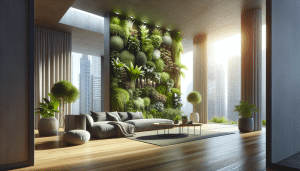
If you’re working with limited outdoor space, vertical gardens are an excellent way to maximize your growing area. Vertical gardening involves growing plants upward rather than outward, using walls, fences, trellises, and even specially designed planters that attach to structures like balconies or railings. Not only does this style allow you to cultivate a variety of plants in small spaces, but it also adds a stunning visual element to any outdoor setting.
Popular plants for vertical gardens include climbing vines, flowers, and even vegetables like tomatoes and cucumbers. For even more efficient use of space, consider adding a living wall — a garden that grows vertically with soil pockets or hydroponic systems. These types of gardens bring an extra dimension of greenery to urban environments, making them feel more vibrant and connected to nature.
Why It’s Trending: As cities become more crowded, maximizing vertical space is an essential part of creating a functional garden. This solution provides homeowners with the ability to grow plants without sacrificing precious horizontal space. It’s an efficient and eco-friendly trend that’s gaining momentum for its versatility and aesthetic appeal.
2. Edible Gardens for Sustainable Living
As sustainability continues to be a focal point for many gardeners, edible gardens are becoming more popular. Growing your own fruits, vegetables, and herbs not only provides a sustainable source of food but also reduces your carbon footprint by minimizing the need for store-bought produce. An edible garden is not only a practical investment, but it can also be incredibly rewarding.
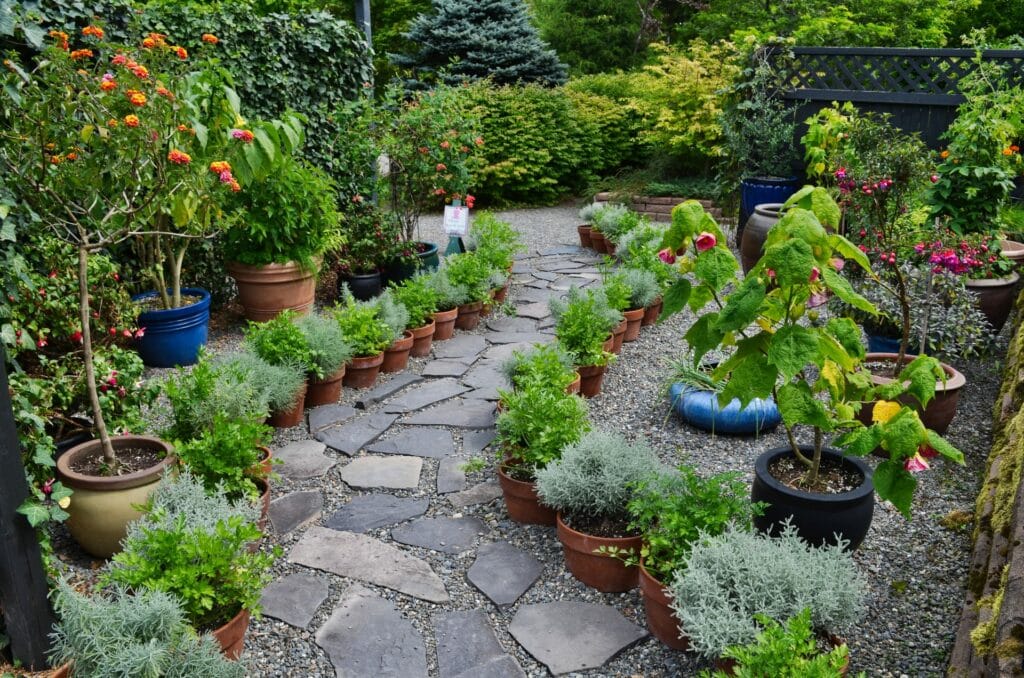
When creating an edible garden, consider integrating raised garden beds, vertical planters, and container gardening to maximize your space. For example, growing herbs in small containers on windowsills or creating a raised bed for salad greens can turn even the tiniest space into a productive garden. Additionally, using companion planting techniques (like growing basil next to tomatoes) can help improve plant health and yields.
Why It’s Trending: In an era where people are becoming more conscious of their ecological footprint, growing your own food offers both environmental and economic benefits. Additionally, homegrown produce is free from pesticides, offering healthier alternatives for consumers. This sustainable trend appeals to urban dwellers and eco-conscious gardeners alike.
3. Eco-Friendly Materials for Landscaping
Gardening trends in 2025 aren’t just about what you plant — they also focus on how you design and construct your outdoor space. Sustainable landscaping materials are gaining popularity as gardeners seek to reduce their environmental impact. Eco-friendly materials like recycled wood, stone, and gravel can be used for pathways, patios, and raised beds, creating a beautiful yet sustainable landscape.
Incorporating drought-tolerant plants is another great way to conserve water and reduce maintenance. Plants such as succulents, lavender, and ornamental grasses thrive with minimal irrigation, making them perfect for gardens in dry or water-scarce areas. These types of plants are also well-suited for xeriscaping, a landscaping technique that reduces or eliminates the need for supplemental irrigation.
Why It’s Trending: As the climate crisis intensifies, there’s an increasing awareness of the need for eco-friendly solutions in all aspects of life, including gardening. Using sustainable materials and water-efficient plants not only helps protect the environment but also lowers long-term costs associated with garden maintenance.
4. Outdoor Living Rooms: Integrating Comfort and Style
In 2025, gardens are no longer just for growing plants — they’re being transformed into outdoor living rooms that offer comfort, style, and functionality. Whether you’re enjoying a meal under the stars or hosting a gathering with friends, creating a multi-functional outdoor living space is one of the most popular ways to maximize outdoor areas.
Start by adding comfortable furniture such as sofas, lounge chairs, and coffee tables to create a welcoming atmosphere. Weather-resistant cushions and pillows add comfort and color to your outdoor furniture, while fire pits or outdoor heaters can make your garden usable throughout the year. To elevate the ambiance, consider string lights, lanterns, or other outdoor lighting options that help create a cozy, inviting environment after dark.
Why It’s Trending: With more people spending time at home and looking to create functional outdoor spaces, the trend toward outdoor living rooms is an obvious choice. Not only does it extend your home’s usable square footage, but it also adds value to your property. A well-designed outdoor living room allows you to entertain, relax, and enjoy the beauty of nature in complete comfort.
5. Water Features for Tranquility and Aesthetics
Incorporating water features into your garden is an excellent way to enhance its visual appeal and create a relaxing atmosphere. From small fountains to larger ponds or waterfalls, the sound of flowing water brings a sense of tranquility and peace to any outdoor space. Water features can also attract wildlife, such as birds and butterflies, adding another layer of life to your garden.
To maximize space, consider installing a wall-mounted water feature or a compact tabletop fountain that won’t take up too much room. If you have a larger garden, a koi pond or a cascading waterfall can become the focal point of the space. Adding aquatic plants, like water lilies or lotus, will not only beautify your water feature but also create a more balanced ecosystem.
Why It’s Trending: In a world full of noise and hustle, water features provide a much-needed escape. The calming sound of water and its aesthetic benefits make it a popular addition to any garden. Water features also work well in both small urban gardens and expansive rural landscapes, making them versatile for various garden sizes.
6. Smart Gardening: Technology at Your Fingertips
As technology continues to evolve, it’s no surprise that gardening is benefiting from smart tools that make maintaining outdoor spaces easier than ever. Smart irrigation systems, soil sensors, and automated garden lights are just a few of the high-tech innovations that can be integrated into modern gardens.
For example, smart irrigation systems can be programmed to water your plants at optimal times, saving water and reducing waste. Soil sensors can provide real-time data on moisture levels, ensuring your plants receive the perfect amount of water. Automated lights can illuminate your garden with the touch of a button, adding convenience and elegance to your outdoor space.
Why It’s Trending: With busy schedules and growing concerns over resource conservation, gardeners are increasingly turning to smart technology to help maintain their outdoor spaces. These devices not only make gardening easier but also more efficient and sustainable.
Conclusion
As we move into 2025, gardening is more than just a hobby — it’s a way to create functional, beautiful, and sustainable outdoor spaces that complement our lifestyles. Whether you’re making the most of limited space with vertical gardens, embracing sustainability with edible gardens, or integrating technology with smart tools, there are countless ways to maximize your outdoor space. By following these creative trends, you can transform your garden into a serene oasis that enhances your quality of life.
Sources:
- Green, M. (2023). Vertical Gardens and Urban Farming Trends. Available at: https://www.urbangardeningjournal.com (Accessed: 26 September 2025)
- Harrison, L. (2024). The Rise of Edible Gardens in Modern Landscaping. Available at: https://www.greenlivingmagazine.com (Accessed: 26 September 2025)
- Patel, R. (2025). Sustainable Landscaping Materials: A Guide for 2025. Available at: https://www.ecogardenreview.com (Accessed: 26 September 2025)

 Wellness Routines That Improve Focus and Energy