Emerging Trends in Robotics and Automation
Amira Solberg September 18, 2025
Robotics and automation are rapidly evolving, impacting industries like healthcare, manufacturing, logistics, and customer service, shaping our future.
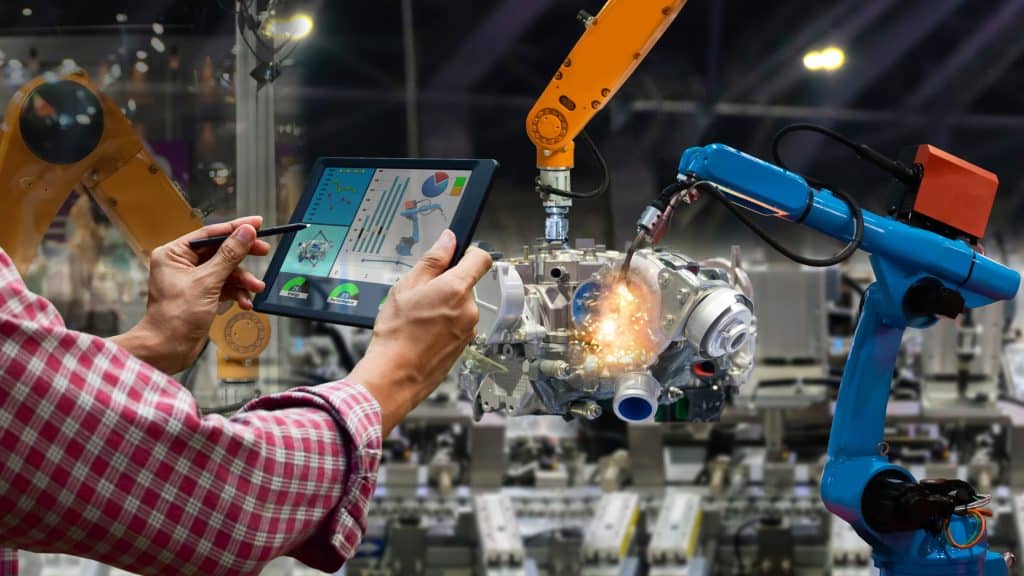
1. The Rise of Collaborative Robots (Cobots)
Collaborative robots, or “cobots,” are designed to work alongside human operators to improve productivity, efficiency, and safety. Unlike traditional robots, cobots work alongside humans, using sensors, AI, and machine learning to adapt to real-time environments.
Cobots are popular in manufacturing, assisting with repetitive tasks such as assembly, welding, and packaging. Their flexibility and ease of use make them ideal for small and medium-sized businesses that cannot afford large-scale automation systems. Additionally, cobots can be easily reprogrammed to perform different tasks, which makes them a versatile and cost-effective solution.
As companies increasingly look to automate their operations, the demand for collaborative robots is expected to grow. According to a report by Markets and Markets, the global cobot market is projected to reach 12.3 billion dollars by 2025, with a compound annual growth rate (CAGR) of 45.2% from 2020 to 2025.
2. Advancements in Artificial Intelligence and Machine Learning
At the heart of many emerging trends in robotics and automation is the integration of artificial intelligence (AI) and machine learning (ML). These technologies are enabling robots to perform tasks that were once thought to be exclusively human, such as recognizing objects, making decisions, and even learning from experience.
One of the most significant developments in AI and robotics is the improvement of autonomous robots. Self-driving vehicles, drones, and delivery robots are becoming more sophisticated, using AI to navigate complex environments, make decisions, and optimize routes in real-time. These robots are not only revolutionizing transportation and logistics but also opening up new possibilities in fields like agriculture and healthcare.
In healthcare, AI-powered robots are being used for surgeries, patient care, and drug delivery. These robots can perform precise procedures with minimal human intervention, reducing the risk of error and improving patient outcomes. For instance, surgical robots like the da Vinci system allow surgeons to perform minimally invasive surgeries with greater accuracy, leading to faster recovery times for patients.
Machine learning algorithms also enable robots to improve their performance over time. By analyzing large amounts of data, robots can identify patterns and make more informed decisions. This ability to learn from experience is transforming industries such as customer service, where AI-powered chatbots and virtual assistants can handle an increasing number of customer inquiries with little to no human input.
3. Robotic Process Automation (RPA) in Business Operations
Robotic process automation (RPA) is another significant trend in the automation space. RPA involves using software robots to automate repetitive, rule-based tasks that were previously performed by humans. These tasks can include data entry, invoice processing, customer support, and report generation.
RPA is particularly beneficial in industries like finance, insurance, and healthcare, where businesses handle large volumes of routine administrative tasks. By automating these processes, companies can reduce errors, lower operational costs, and free up employees to focus on more complex and strategic activities.
The adoption of RPA is expected to continue growing as businesses recognize the potential benefits of automation. According to a report by Grand View Research, the global RPA market is expected to reach 25.56 billion dollars by 2027, with a CAGR of 33.6% from 2020 to 2027.
4. Robots in Healthcare: A Revolution in Patient Care
The healthcare sector is undergoing a revolution, and robotics is playing a crucial role in this transformation. Robots are increasingly being used to assist with surgeries, provide patient care, and even deliver medications. The integration of robotics in healthcare is expected to improve efficiency, reduce costs, and enhance patient outcomes.
Surgical robots, for example, are enabling minimally invasive procedures that were once thought to be too complex for robotic assistance. The da Vinci Surgical System, for example, allows surgeons to perform delicate procedures with enhanced precision, resulting in smaller incisions, faster recovery times, and reduced risk of complications. As robotic systems continue to evolve, their role in healthcare is expected to expand even further.
In addition to surgical applications, robots are also being used to assist with patient care. Robotic exoskeletons are helping individuals with mobility impairments regain the ability to walk, while robots like the TUG are used to deliver medications, supplies, and equipment in hospitals. These innovations are not only improving the quality of care but also reducing the strain on healthcare workers.
5. Automation in Logistics and Supply Chain Management
The logistics and supply chain industry is another sector that is experiencing significant changes due to robotics and automation. Autonomous vehicles, drones, and warehouse robots are helping companies streamline their operations, reduce costs, and improve delivery times.
Autonomous vehicles, for example, are being used to transport goods over long distances, reducing the need for human drivers. Self-driving trucks can operate around the clock, improving the efficiency of freight transport and reducing delivery times. In warehouses, robots are being used to automate tasks such as picking, sorting, and packaging, leading to faster and more accurate order fulfillment.
The rise of e-commerce has also driven demand for automation in the logistics sector. As more consumers shop online, companies are looking for ways to fulfill orders faster and more efficiently. According to a report by McKinsey, the use of robots in warehouses could reduce operational costs by up to 30% and improve efficiency by up to 25%.
6. Ethical and Social Implications of Robotics and Automation
As robotics and automation technologies continue to advance, they raise important ethical and social questions. One of the primary concerns is the impact of automation on jobs. While automation can increase efficiency and reduce costs, it also has the potential to displace workers, particularly in industries like manufacturing, transportation, and retail.
In response to these concerns, there has been growing interest in reskilling and upskilling programs to help workers transition into new roles. Governments, businesses, and educational institutions are investing in training programs to equip workers with the skills needed to thrive in an increasingly automated workforce.
Another important ethical consideration is the use of robots in sensitive areas like healthcare and military operations. As robots become more autonomous, questions arise about accountability and decision-making. Who is responsible if a robot makes a mistake or causes harm? As robotics technology continues to evolve, it will be essential to address these ethical dilemmas and ensure that automation is used responsibly.
Conclusion
The future of robotics and automation is full of exciting possibilities. From collaborative robots in manufacturing to AI-powered surgical assistants in healthcare, these technologies are transforming industries and improving the way we live and work. However, as with any technological revolution, the rise of robotics and automation brings both opportunities and challenges. By addressing ethical concerns, investing in workforce development, and embracing innovation, we can ensure that the future of robotics and automation is both prosperous and equitable.
References
- Markets and Markets. (2020). Collaborative Robots Market by Payload Capacity, Industry, and Region – Global Forecast to 2025. Available at: https://www.marketsandmarkets.com (Accessed: 18 September 2025)
- Grand View Research. (2020). Robotic Process Automation Market Size, Share & Trends Analysis Report By Type, By Application (BFSI, Retail, Healthcare), By Region, And Segment Forecasts, 2020 – 2027. Available at: https://www.grandviewresearch.com (Accessed: 18 September 2025)
- McKinsey & Company. (2020). The Future of Supply Chain: How Robots and Automation are Reshaping the Industry. Available at: https://www.mckinsey.com (Accessed: 18 September 2025)

 How Online Courses Are Enhancing Professional Skills