Travel Destinations That Inspire Cultural Curiosity
Henry Caldwell September 29, 2025
In recent years, a new kind of wanderlust has taken hold—not the kind built on ticking off landmarks, but the kind that seeks to live through place, not just view it. I call this cultural immersion travel, and it’s fast becoming a defining trend for 2025. Travelers are no longer satisfied with skim-surface sightseeing; they want real interactions—meals in family homes, nighttime rituals under star-lit skies, or guided walks through neighborhoods with local storytellers.
In this article, we’ll explore how cultural immersion travel is reshaping destination choices, the technologies and experiences enabling it, and how you can plan culturally immersive trips that spark curiosity, respect local narratives, and offer genuine value.
Why cultural immersion travel is rising now
To understand why cultural immersion travel is “hot” in 2025, consider a few converging forces:
1. Demand for authenticity
According to Destination Marketing 2025 reports, about 73% of global travelers now seek more authentic, local experiences to fully immerse themselves in culture. Rather than generic sightseeing, people want first-hand encounters with local food, rituals, language, and daily life.
2. Cultural tourism’s economic influence
In 2024, heritage and cultural tourism accounted for over 56% of all travel, a share projected to grow. As travelers place more weight on meaningful experiences, destinations that offer deep cultural engagement see more opportunity for sustainable growth.
3. Technology enabling deeper access
Emerging tech, like digital twins and augmented reality, is making it easier to layer stories over physical spaces, enriching visitor understanding of culture. A recent literature review shows that digital twin applications in cultural tourism are at an early stage but gaining momentum especially for heritage sites.
4. Travelers choosing slower, more intentional travel
The “intentional travel” movement (sometimes referred to as the opposite of “revenge travel”) encourages fewer destinations, longer stays, and deeper local engagement. In this environment, cultural immersion travel becomes not just preferable, but practical.
Given all that, cultural immersion travel is not just a niche interest—it’s becoming core to how people experience destinations now and into the next decade.
Key trends within cultural immersion travel
Within this broad shift, several sub-trends are rising. Each offers a different pathway to deeper cultural curiosity.
1. Culinary trails & agritourism
Food is culture’s quiet ambassador. Culinary tourism—I call it “gastronomic storytelling”—is now among the fastest-growing segments of cultural travel.
Culinary trails connect travelers to local chefs, producers, and food customs. Some trails may take you through tea estates, spice farms, or village kitchens. Agritourism (or regenerative farming stays) adds another dimension: work alongside farmers, learn biodynamic practices, or harvest ingredients yourself.
One example: small farm-stay experiences in rural Portugal or Spain that combine hands-on farming with regional cooking lessons have gained traction in luxury-wellness travel media.
2. Dark-sky and astrotourism as cultural rhythms
Cultural immersion often overlooks nights—until now. Astrotourism (or dark-sky tourism) invites travelers to align with celestial rhythms.
In many indigenous cultures, the stars carry myth, navigation knowledge, and ritual meaning. Destinations that preserve low light pollution and offer guided stargazing with cultural storytellers allow travelers to experience how people of place conceptualize the heavens.
3. Digital storytelling, augmented reality & heritage layering
At archaeological sites, museums, or historical neighborhoods, digital tools can overlay stories, reconstructions, and oral histories tied to place. Such heritage layering allows hikers to see ruins “in their time,” or understand community shifts over centuries.
One example is virtual reconstructions in ancient cities, which allow visitors to toggle between past and present. Another is use of mobile apps to share oral histories of neighborhoods, in local voices and languages.
Digital twin research in tourism is still nascent, but the promise is that every place could have a “living cultural twin” that visitors can interact with.
4. Alternative destinations & “dupe” travel
To avoid overtourism and superficial experiences, more travelers are bypassing the usual hotspot and discovering alternative cultural destinations—places that echo the spirit of famed sites but are less crowded.
For instance, in Southeast Asia, instead of Angkor Wat, some travelers now visit smaller Khmer temples in rural provinces. In Europe, lesser-known pilgrimage routes or rural heritage towns are gaining audience.
5. Live-moment and event-based cultural travel
Rather than traveling to a place in general, travelers increasingly time their trips around festivals, traditional ceremonies, or regional celebrations (harvest festivals, solstice events, craft fairs). These moments carry cultural weight: they let visitors see a culture as it actively celebrates itself.
For example, Telangana’s Bathukamma flower festival in India has drawn global attention as the state positions it as a cultural tourism asset.
How to plan a cultural immersion travel experience
Below is a practical guide to turning cultural curiosity into a memorable trip.
Step 1: Choose your intentional focus
Decide what dimension of culture matters most to you:
- Food & agriculture
- Night sky & cosmology
- Heritage, architecture, oral histories
- Ceremony, festivals, ritual
- Language, crafts, community life
Let that focus guide your destination choices.
Step 2: Time your visit wisely
Align with a relevant event, seasonal cycle, or quieter season:
- Festivals, harvest, or cultural ceremonies
- Off-peak months (to reduce crowds and allow access)
- Seasonal practices (e.g. spring planting, winter crafting)
Step 3: Opt for smaller-scale, local-run accommodations
Consider staying in village guesthouses, homestays, or small cultural lodges rather than international hotels. These offer social access—meals with hosts, storytelling, and direct connection to local life.
Step 4: Engage local guides and storytellers
Rather than standard tour groups, hire guides from the community (especially elders or cultural practitioners). Ask about daily life, neighborhood changes, intangible heritage (songs, legends, crafts).
Step 5: Use technology (judiciously)
Bring a phone or device—but use local apps, AR tours, or augmented maps that enrich cultural narratives, rather than distract.
Step 6: Be respectful, curious, adaptable
Cultural immersion requires humility. Be ready to ask questions, adjust expectations, and listen. Learn basic local words; follow protocol for rituals or religious spaces; remain open and flexible.
Example destinations embracing cultural immersion travel
Here are some destinations (emerging or reimagined) that embody this trend:
1. Nan Old Town, Thailand
Thailand’s tourism authority is pushing sustainability and cultural preservation across its 77 provinces. Nan Old Town, in particular, has been spotlighted for slow travel, heritage walks, and village-based experiences.
2. Rural Spain & agritourism in Andalusia / Extremadura
Farm-hosted stays, olive harvest participation, local cheese-making workshops, and flamenco storytelling evenings offer layered immersion into Spanish rural traditions.
3. Dark-sky destinations in Africa
Places like Namibia or South African desert regions, in partnership with indigenous communities, permit stargazing programs combined with cosmological stories, connecting science and cultural memory.
4. Lesser-known sites in India
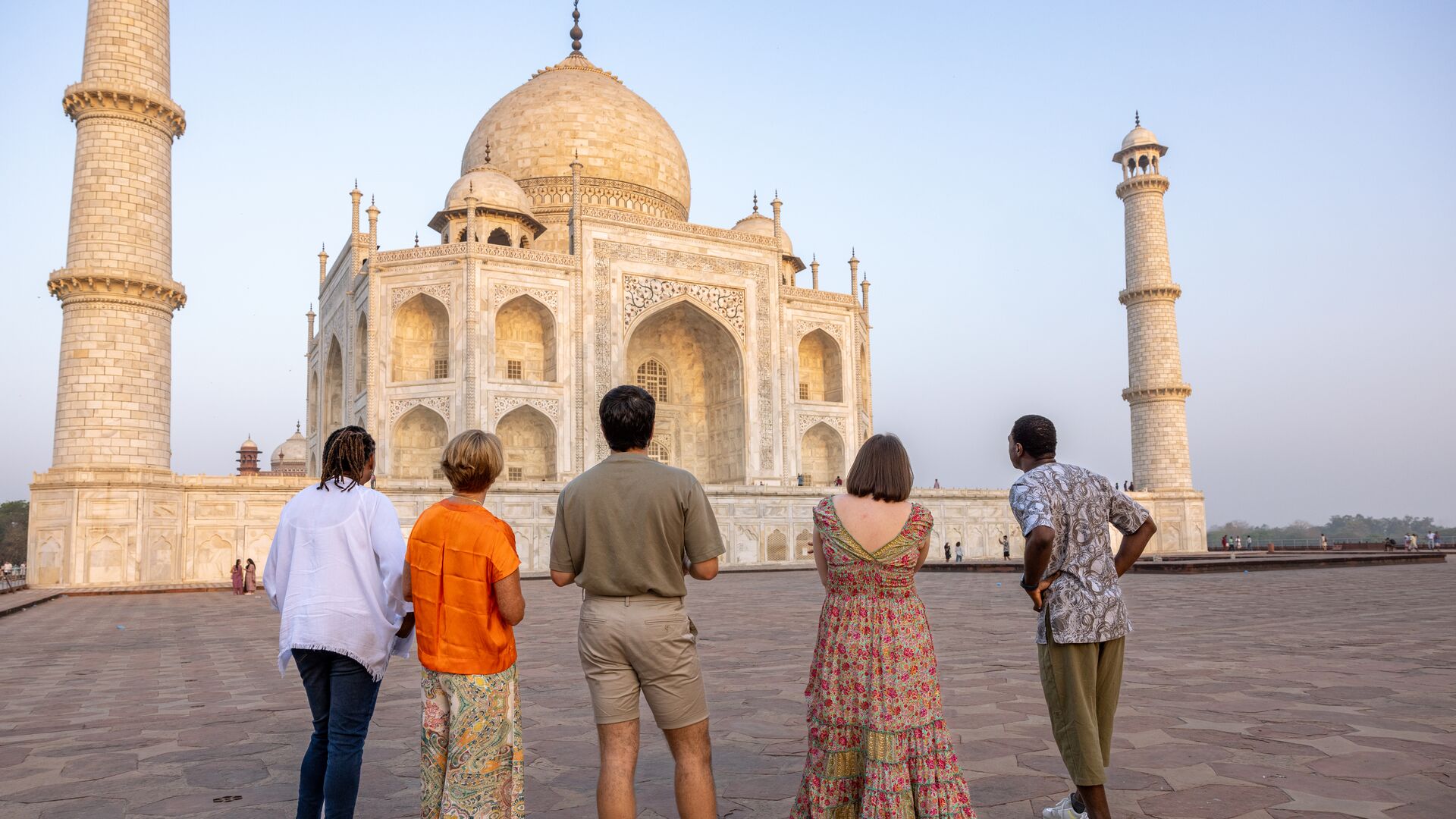
Beyond the Taj Mahal, regional craft hubs, local pilgrimage circuits, and festivals like Bathukamma are becoming cultural drawcards.
5. Community-run village circuits in Latin America
Indigenous villages in the Andes or Central America offering weaving workshops, ancestral storytelling, and co-created community tourism are gaining traction.
Challenges and cautions
Cultural immersion travel isn’t without friction. Here are some issues to keep in mind:
- Commodification risk: Turning traditions into packaged products can damage authenticity.
- Overtourism in smaller villages: Sudden visitor influx may strain infrastructure or alter community dynamics.
- Consent and narrative control: Communities should be partners, not subjects; their voice should lead interpretation.
- Digital divide: Not all communities want tech overlays; respect preferences for oral storytelling or minimal disruption.
- Carbon footprint and access inequality: Profitable trends risk privileging travelers from distant places while excluding locals.
Well-designed partnerships, community co-management, and transparent benefit-sharing are crucial.
Looking ahead: how cultural immersion travel may evolve
- More hybrid recommender systems: Algorithms combining traveler preferences with cultural filters to suggest offbeat but culturally rich destinations. (E.g. combining clustering + preference models)
- Wider deployment of digital twins: For cultural heritage sites, enabling dynamic storytelling at scale.
- Deeper integration of night-based culture: Noctourism and stargazing may expand as core cultural activities around which to structure trips.
- Story-driven media partnerships: Countries may embed their heritage into film or streaming content (as India is experimenting via Netflix) to inspire travel.
- Regenerative cultural tourism: Combining ecological restoration, culture, and healing—tourism that gives back.
Conclusion
Cultural immersion travel isn’t a trend to ride—it’s a shift in how people see travel itself. The movement toward meaningful, locally grounded encounters reflects a deeper curiosity and respect between travelers and host communities. As technology, sustainability, and event-driven experiences reshape our world, cultural immersion travel will likely become central to how we explore, understand, and belong.
If you’re planning a trip, start small: pick one dimension (food, night sky, storytelling), go slowly, and prioritize listening. You’ll return not with postcards, but with changed perspectives.
References
- Envisionit. (2024, July 10). Destination marketing 2025 and the power of authentic cultural experiences. Available at: https://envisionitagency.com (Accessed: 29 September 2025)
- Poling, M. (2024, May 12). Cultural tourism statistics: 2024 insights. Monica Poling. Available at: https://monicapoling.com (Accessed: 29 September 2025)
- Zhu, J., & Zhang, T. (2025). A literature review of digital twin applications in cultural tourism. Available at: https://arxiv.org (Accessed: 29 September 2025)

 Interior Design Ideas That Maximize Natural Light