Create a Lush Indoor Jungle Without Overwhelm
Henry Caldwell September 25, 2025
Explore how you can transform any room into a lively indoor sanctuary with thriving houseplants. This guide reveals practical steps, sustainable choices, and tips for selecting plants, styling, and keeping greenery healthy for a vibrant home environment.
Embracing Indoor Plant Trends for Home Wellbeing
Homeowners everywhere are turning toward indoor plants to enhance their living spaces and support wellness at home. The desire for a lush indoor jungle is stronger than ever, with houseplants featured in every corner of social media and modern design. Indoor plant trends encourage not just beauty but better air quality and comfort. Whether you opt for dramatic monsteras or petite succulents, the possibilities for creative expression are endless. Embracing this green movement can turn any ordinary space into a peaceful retreat and help promote relaxation after a busy day. That lush feeling? It’s achievable for nearly everyone.
Beyond aesthetics, plants provide tangible health benefits. Research suggests that indoor greenery assists in reducing pollutants, balancing humidity, and even boosting concentration. More homeowners now seek out plant collections not just for looks, but to create a healthier breathing environment indoors. Combining various houseplants—like snake plants, pothos, and philodendron—can maximize these effects. Add a calming nook to your home office or brighten up a shaded living room; both become fresher and more dynamic with thoughtfully placed foliage. These small additions lead to bigger lifestyle improvements.
Unlike fleeting home trends, indoor jungles are here to stay. They adapt to evolving design ideas and personal styles, offering a sustainable way to redecorate without major expense. For renters and owners alike, plant-filled spaces provide flexibility—move a planter, swap succulents, try a new arrangement. The sheer variety of indoor plant types means everyone can find a match for their home, no matter their skill level or lighting conditions. Every thriving green corner creates new reasons to pause, smile, and enjoy where you live.
Choosing the Right Houseplants for Your Indoor Space
Success with indoor gardening begins with choosing houseplants suited to your light and lifestyle. Some rooms flood with sunlight, enabling fiddle leaf figs and cacti to flourish, while low-light areas are ideal for hardy options like ZZ plants and pothos. Examine the windows and exposure in each space before picking your greenery. Start with forgiving varieties for beginners, then gradually add more unique species as your confidence grows. Getting the right plants the first time saves time, money, and potential disappointment. These careful choices shape a more cohesive and vibrant indoor garden.
Different plant species demand varying care—understanding their needs matters. Read labels at your local garden center or seek reputable online guides. Some plants prefer moist soil (think ferns), while others, like succulents, only need occasional watering. It’s vital to match your routine with plants that fit, rather than chasing difficult trends. Choosing a mix of air-purifying plants like spider plants or peace lilies and decorative leaf varieties offers both functional and visual interest. Soon, you’ll notice which ones thrive in your environment, letting you build on your success as your indoor garden expands.
Don’t overlook potting up your plants correctly from day one. Select containers with drainage holes to prevent root rot and promote healthy growth. Always use appropriate soil—tropical plants often need moisture-retentive mixes, while succulents prefer quick-draining setups. Upgrade pots as your collection grows or as plants outgrow their starts. These details transform plant care from guesswork into a reliable and enjoyable routine. The result: plants that not only survive, but truly thrive indoors, giving you enjoyment and a sense of accomplishment daily.
Creative Ways to Style Your Indoor Jungle
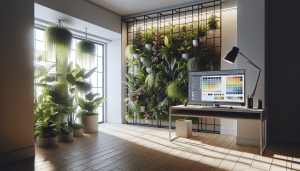
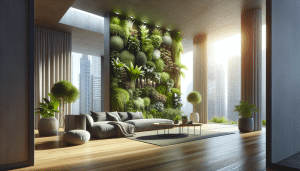
Once you’ve started building your houseplant collection, the magic begins with creative styling. A lush indoor jungle is more than clustered pots—it’s about layers, textures, and visual balance. Try mixing tall floor plants with trailing vines on shelves. Hanging baskets near sunny windows provide vertical interest, while groupings of similar-toned pots lend harmony to larger spaces. You can highlight bold foliage by placing it against plain walls, or make statement corners using decorative planters and stands. Experiment to find arrangements that foster tranquility and invite admiration every time friends or family visit.
Color coordination matters, too. Match your plant pots to your existing decor or opt for contrasting shades to make your greenery pop. Terracotta offers earthy warmth, while sleek modern pots work well in minimalist homes. Consider combining practical utility with style—a cluster of herbs on your kitchen windowsill doubles as décor and fresh ingredients. Layering plants at different heights or tucking miniature varieties into tight spaces brings surprise and delight. It’s all about balancing function and aesthetics for a home that looks alive and feels welcoming.
Plants change as they grow, so updating your indoor arrangements keeps the jungle feeling intentional rather than cluttered. Prune leggy stems, rotate pots for even sun exposure, and refresh styling as the seasons shift. Refresh displays with blooming plants in spring or add extra greenery to brighten gloomy winter corners. Styling is ongoing and playful—a rewarding journey rather than a strict destination. No two homes will ever look the same, keeping indoor jungles full of personality and evolving stories to share with guests.
Essential Care Tips to Keep Plants Thriving
Consistent care routines are key to lush, resilient houseplants. Learn each plant’s unique preferences: some crave direct sun, others wilt without humidity. Regularly check soil moisture, trim dead leaves, and dust foliage to support healthy photosynthesis. Overwatering is a common error—make sure soil is dry before adding more water, especially with succulents and cacti. Use a moisture meter if unsure; these simple habits prevent stress and disease, giving you thriving plants and a healthier indoor environment overall.
Feed your plants with the right fertilizer during their growth periods but avoid over-fertilization, as it can cause weak growth and leaf burn. Many plants enter dormancy in cooler months—a natural pause where less care and water are needed. Grouping plants with similar care needs together in your space makes maintenance more efficient and prevents mistakes. Pay attention to air circulation around each plant, especially for tropical varieties, and consider adding a humidifier for species that crave moisture. These preparations create long-term success and promote vibrant foliage all year.
When pests or diseases appear, prompt action matters. Remove affected leaves and use natural remedies, such as neem oil sprays, to avoid harsh chemicals indoors. Rotate problem plants away from healthy collections to prevent the spread. With attentive observation and proactive care, even challenging situations become manageable. Over time, you’ll build intuition and confidence, making houseplant care not just a hobby, but a daily source of fulfillment and calm.
The Benefits of Biophilic Design in Your Home
Adding indoor plants is at the heart of biophilic design, which draws on nature to create soothing interiors. Studies increasingly link plant-filled spaces to less stress, higher productivity, and improved creativity. Bringing natural elements inside strengthens your connection to the outside world—even when you cannot spend time outdoors. Integrating biophilic principles with open layouts, natural textures, and calming color palettes amplifies these effects, transforming your home into a true sanctuary. For city dwellers or those with limited outdoor access, an indoor jungle brings nature right to your fingertips every day.
Plants naturally filter indoor toxins, making them a smart addition to any wellness-focused home. NASA studies have highlighted how species like spider plants, peace lilies, and Boston ferns purify air by absorbing pollutants. This natural purification enhances indoor air quality and can help ease common discomforts like dry eyes or headaches. By thoughtfully choosing and arranging these houseplants, you not only beautify your environment but support better overall wellbeing for all who share your space. These subtle changes add up to a happier, healthier home.
Incorporating plants as a regular design element supports mindfulness and routine. Tending an indoor jungle can serve as a daily pause for reflection, self-care, and calm. Many plant enthusiasts report lower anxiety and improved mood as they nurture their green companions. Children and pets also benefit, learning responsibility and curiosity from a living environment. The transformative effects of biophilic design are accessible and lasting—one leafy addition at a time.
Sustainable Plant Care and Eco-Friendly Practices
Many houseplant lovers are now turning to sustainable, eco-friendly plant care routines. Sourcing plants locally, using organic soil blends, and choosing recycled pots all reduce environmental impact. Compost kitchen scraps to make nutrient-rich soil amendments. Burlap and woven baskets crafted from renewable materials are stylish alternatives to plastic pots, supporting both type and sustainability. Small, mindful changes in plant care can shrink your carbon footprint while deepening your appreciation for the natural world indoors.
Water conservation plays a big part in sustainable plant management. Reusing leftover tea or cooled cooking water to hydrate plants cuts waste. Drip trays and self-watering pots help to avoid overwatering and excess runoff. Try composting dead leaves or making worm castings for homemade fertilizers instead of relying on synthetic products. Together, these eco-conscious habits help support healthier soil and root systems—and by extension, longer-lasting houseplants in your home. Simple, sustainable tweaks add up over time to create a greener future.
Sharing your love of plants fosters community and sustainability. Swap cuttings with friends or neighbors, join local gardening groups, or participate in online plant exchanges. These activities create connections, encourage lifelong learning, and reduce pressure on mass production. By teaching children and family about responsible plant care—from water use to pest management—you build green habits that last generations. Home plant care isn’t just relaxing; it’s an opportunity to protect the planet, one potted fern at a time.
References
1. American Society for Horticultural Science. (n.d.). The effect of indoor plants on health and wellbeing. Retrieved from https://journals.ashs.org/horttech/view/journals/horttech/30/5/article-p692.xml
2. NASA. (n.d.). Interior Landscape Plants for Indoor Air Pollution Abatement. Retrieved from https://ntrs.nasa.gov/citations/19930073077
3. Environmental Protection Agency. (n.d.). Indoor Air Quality & Plants. Retrieved from https://www.epa.gov/indoor-air-quality-iaq/indoor-air-quality-basics
4. Royal Horticultural Society. (n.d.). Houseplant care guide. Retrieved from https://www.rhs.org.uk/houseplants
5. University of Georgia Extension. (n.d.). Growing Indoor Plants with Success. Retrieved from https://extension.uga.edu/publications/detail.html?number=B1318
6. U.S. Forest Service. (n.d.). Biophilic design and human health. Retrieved from https://www.fs.usda.gov/inside-fs/delivering-mission/deliver/biophilic-design

 Scaling a Startup Faster Than Expected