Can Collagen Transform Your Skin and Wellness
Sofia Marquez September 27, 2025
Curious if collagen really changes your skin, hair, and overall wellness? Dive into this in-depth guide on collagen benefits, sources, and the science behind why so many seek out collagen for beauty and vitality. Discover practical insights about collagen supplements, skincare routines, and holistic wellness tips.
Understanding Collagen and Its Role in Beauty
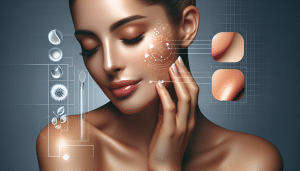
Collagen is one of the most abundant proteins found in the body and plays a vital role in providing structural support to the skin, hair, nails, and connective tissues. It acts as the framework that keeps skin looking plump and youthful. The natural aging process, as well as environmental factors like sun exposure and pollution, gradually decrease your natural collagen production. This decline is often linked to fine lines, wrinkles, and sagging skin, leading many to seek out ways to boost collagen for a refreshed appearance.
Recent interest in collagen has surged, particularly for those searching for effective, research-backed methods to promote glowing skin and stronger hair. Skincare routines increasingly feature products or supplements promising to support natural collagen synthesis. The keyword ‘collagen beauty benefits’ frequently trends in health and beauty spaces as more people hope to discover how nurturing collagen could support youthful looks and vibrant wellness. Understanding how collagen functions offers a foundation for making informed choices about diet, supplements, and self-care routines.
For many, the desire for healthier skin, shinier hair, and stronger nails starts with getting the inside story on collagen. Collagen supplementation and collagen-rich foods are being examined for their roles in skin hydration and elasticity. Beauty and wellness experts often recommend strategies that combine lifestyle changes, balanced nutrition, and mindful skincare, recognizing that optimal results typically stem from a holistic approach to beauty. Learn more about how collagen can help lay the groundwork for renewed self-confidence.
Collagen Supplements: Truth, Types, and Trends
Collagen supplements are widely available in pills, powders, and drinks. They usually contain hydrolyzed collagen peptides, which are broken down for better absorption. The demand for these supplements is driven by promises of improved skin smoothness and joint support, but it can be confusing to navigate the different options. Bovine, marine, and even plant-derived collagen products appear on store shelves and online platforms, each claiming distinct benefits. Many users appreciate the convenience of mixing a collagen powder with morning coffee or adding gummies to a daily regimen as part of their wellness routine.
Choosing the right supplement often depends on individual goals—such as seeking firmer skin, softer wrinkles, or better joint comfort. Reviewing clinical research is key to understanding what’s truly effective. Scientific studies through organizations such as the National Center for Complementary and Integrative Health highlight that some adults see measurable improvements in skin elasticity after regular collagen supplementation, although results may vary due to lifestyle and genetics (https://www.nccih.nih.gov/health/collagen-supplements-what-the-science-says). Knowing what to expect from different forms enables realistic wellness planning and avoids disappointment from marketing hype.
Collagen supplementation continues to evolve, with innovation in formulas offering added vitamins like vitamin C and hyaluronic acid for boosted benefits. However, experts advise checking ingredient lists and consulting with healthcare professionals for compatibility and safety. For readers searching for ‘collagen supplements for skin health’ or wondering if collagen can aid overall wellness, this section provides guidance rooted in the latest research and user insights. Exploring trusted sources before purchasing ensures satisfaction with the chosen wellness strategy.
Diet and Lifestyle Choices That Support Natural Collagen
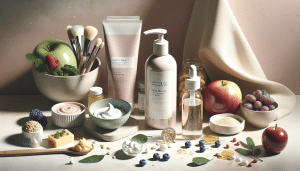
Boosting the body’s own collagen production isn’t limited to supplements. Everyday nutrition and mindful living play crucial roles. Eating foods high in vitamin C, zinc, and copper—like citrus fruits, nuts, and leafy greens—may help the body synthesize collagen naturally. Protein-rich foods, including bone broth, chicken, and fish, also supply the amino acids the body uses to build collagen. Some people turn to ‘collagen-boosting meals’ to add a wellness twist to their routines simply by making thoughtful dietary swaps.
Other factors such as quality sleep, regular physical activity, and avoiding excess sun exposure further support healthy collagen levels. Resetting habits to prioritize restorative rest can lower stress and inflammation, both of which impact skin aging. Exercise, especially resistance training, is linked to skin vibrancy and elasticity thanks to increased circulation and cell renewal. Pairing these lifestyle strategies with a balanced diet creates a strong foundation for both visible and long-term results—something that can resonate with anyone navigating the ever-changing world of wellness and beauty.
Environmental aggressors, such as UV rays and air pollution, are known to speed up collagen breakdown. Using broad-spectrum sunscreen daily, adopting antioxidant-rich skincare, and seeking out indoor air filters may help protect the skin’s own collagen reserves. In beauty and wellness forums, phrases like ‘lifestyle hacks for collagen’ and ‘foods for glowing skin’ are often top-of-mind for readers who wish to take a proactive approach. Incorporating these preventative practices adds another layer of care to the collagen conversation.
Collagen in Skincare Routines: What Really Works?
Topical collagen creams and serums are popular and often positioned as ‘anti-aging essentials’ in beauty routines. However, the effectiveness of these products depends largely on formula and skin absorption. Dermal collagen is a large molecule, and most research suggests it doesn’t penetrate deeply when applied topically. Instead, ingredients that support the body’s own production—such as retinoids, peptides, and antioxidants—may deliver more noticeable results over time.
Dermatologists regularly recommend pairing collagen-friendly skincare with proper cleansing, exfoliation, and sun protection. Products containing vitamin C, niacinamide, and hyaluronic acid can help maintain skin moisture and support a bright, plump complexion, reinforcing natural beauty from the outside in. Trends like microneedling and facial massage are sometimes promoted as ways to encourage collagen activity within the dermis, though these should always be approached with care and expert advice (https://www.aad.org/public/everyday-care/skin-care-basics/care/collagen).
Finding the right skincare regimen often takes experimentation and patience. Beauty enthusiasts who track their results over time may notice gradual changes with a dedicated approach. When searching for ‘collagen products that work’ or tips for a radiant complexion, readers are encouraged to explore reputable dermatological sources and look for products backed by science, not just marketing.
The Science of Collagen: What Research Tells Us
Collagen’s reputation in the wellness industry is increasingly supported by ongoing research. Clinical trials have explored the effects of oral collagen supplements on skin hydration, elasticity, and wrinkle depth—often with promising results. A review by the Journal of Drugs in Dermatology found improvements in skin elasticity and moisture among study participants taking collagen peptides orally (https://jddonline.com/articles/dermatology/S1545961618P0456X). Nevertheless, individual responses differ, highlighting the value of a personalized approach to supplementation and skincare.
Additionally, collagen may play a role in joint comfort and mobility, marking a link between beauty and broader wellness. Reviews in the National Institutes of Health database confirm that some people with joint discomfort notice benefits from hydrolyzed collagen, though outcomes depend on variables like dosage, duration, and accompanying health conditions (https://ods.od.nih.gov/factsheets/Collagen-HealthProfessional/). It is important for those interested in using collagen to consider a full-body wellness picture and realistic timelines.
Questions still remain about the best forms, optimal intake, and long-term impacts of collagen supplementation. Ongoing studies aim to clarify how oral, topical, or dietary sources are processed by the body and what determines measurable results. Readers searching for evidence-based wellness choices can review medical research and check for transparent ingredient lists with proven track records. Staying informed is the best way to navigate the evolving landscape of collagen beauty solutions.
Is Collagen Right for You? Practical Tips and Considerations
Deciding whether to incorporate collagen into your wellness or beauty routine is a personal choice. Many find combining supplementation, nutrition, and supportive lifestyle practices provides noticeable results over time, but patience and consistency are vital. Individual needs also vary: some people may enjoy visible benefits rapidly, while others experience subtle or delayed changes. Consulting a healthcare or skincare professional is a trusted way to tailor a collagen plan safely and effectively.
For those drawn to natural strategies, prioritizing a diet rich in whole foods, consistent exercise, and effective stress management may prove just as effective as commercial supplements. Those exploring options should weigh factors such as dietary restrictions, ingredient preferences, allergen sensitivity, and verified sourcing—ensuring that any selected product or dietary habit supports wellness goals without compromise. Transparency from brands and medical professionals helps clarify uncertainties and build consumer confidence.
Ultimately, collagen remains one piece of a larger wellness and beauty puzzle. Whether aiming for luminous skin, joint comfort, or simply a supportive daily routine, the choices are diverse and rewards are often cumulative. As research evolves, informed consumers can make the most of new discoveries and timeless habits. Explore more, be curious, and focus on what feels authentic within a personal self-care journey.
References
1. National Center for Complementary and Integrative Health. (n.d.). Collagen Supplements: What the Science Says. Retrieved from https://www.nccih.nih.gov/health/collagen-supplements-what-the-science-says
2. Office of Dietary Supplements, National Institutes of Health. (n.d.). Collagen — Fact Sheet for Health Professionals. Retrieved from https://ods.od.nih.gov/factsheets/Collagen-HealthProfessional/
3. American Academy of Dermatology Association. (n.d.). Collagen: What it is and what it does for your skin. Retrieved from https://www.aad.org/public/everyday-care/skin-care-basics/care/collagen
4. National Library of Medicine. (n.d.). Effects of collagen supplementation on skin aging: A systematic review and meta-analysis. Retrieved from https://pubmed.ncbi.nlm.nih.gov/30681787/
5. Journal of Drugs in Dermatology. (2019). Oral Collagen Supplementation: A Systematic Review of Dermatological Applications. Retrieved from https://jddonline.com/articles/dermatology/S1545961618P0456X
6. Harvard T.H. Chan School of Public Health. (n.d.). Collagen. Retrieved from https://www.hsph.harvard.edu/nutritionsource/collagen/

 Small Business Funding Options Few People Consider