The Best Skincare Routines Backed by Science
Sofia Marquez September 12, 2025
As travel continues to rebound worldwide, more people are seeking out hidden gems underrated travel destinations—places that offer rich experiences but haven’t been overrun by tourists. In 2025, there’s a clear trend toward destinations that combine culture, nature, affordability, and authenticity. For travelers tired of crowds, rising costs, and over-touristy spots, discovering underrated travel destinations provides a way to connect with local life, relax more deeply, and explore something genuinely new. This article highlights several such destinations and provides guidance on how to plan a trip to them, what to expect, and how to make the most of the experience.

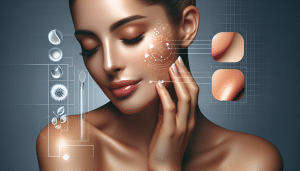
Why Evidence-Based Skincare Matters
The skincare industry is worth billions, and with that comes a flood of products that make bold claims. However, many of these claims aren’t supported by clinical trials or peer-reviewed studies. Evidence-based skincare strips away the noise and focuses only on what has measurable benefits.
Science-backed routines:
- Reduce the risk of irritation from unnecessary products.
- Ensure money is spent on ingredients that truly work.
- Provide long-term improvements rather than quick, short-lived fixes.
By following the best skincare routines backed by science, you can avoid hype-driven products and focus on what actually benefits your skin.
The Core of Every Science-Backed Routine
Although skin types differ, most dermatologists recommend sticking to three universal steps. These are often called the foundation of any routine:
- Gentle Cleansing – Removes dirt, oil, and environmental pollutants without stripping the skin barrier.
- Moisturizing – Helps maintain hydration and strengthen the skin’s protective layer.
- Sun Protection – Shields against UV radiation, the biggest contributor to premature aging and skin cancer.
Everything beyond these steps can be customized based on your goals (anti-aging, acne control, hyperpigmentation). But without these fundamentals, advanced treatments won’t be as effective.
Cleansing: Less Is More
Over-cleansing is one of the most common mistakes. Research suggests that harsh cleansers disrupt the skin barrier, leading to dryness and irritation (Lodén, 2012, Dermatology). Instead, dermatologists recommend using a gentle, pH-balanced cleanser once or twice daily.
Tips for science-based cleansing:
- Use lukewarm water, not hot, to avoid stripping oils.
- Choose sulfate-free cleansers for sensitive or dry skin.
- Avoid scrubbing aggressively—your skin is not a kitchen counter.
The goal is to clean, not to leave your face feeling “squeaky,” which actually signals barrier damage.
Moisturizing: Barrier Support
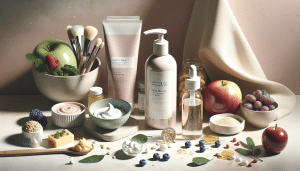
Moisturizers aren’t just about softness; they strengthen the skin barrier, which defends against pollutants, bacteria, and allergens. Research highlights three essential components in effective moisturizers:
- Humectants (like glycerin or hyaluronic acid) attract water to the skin.
- Emollients (like ceramides or fatty acids) smooth skin texture.
- Occlusives (like petrolatum or dimethicone) lock in moisture.
Choosing a moisturizer depends on your skin type: lightweight gels for oily skin, richer creams for dry or mature skin.
Sunscreen: The Non-Negotiable Step
If there’s one product universally backed by science, it’s sunscreen. A long-term study published in the Annals of Internal Medicine found that daily sunscreen use significantly slows skin aging while reducing the risk of melanoma and other cancers (Green et al., 2013).
What matters in sunscreen:
- Broad-spectrum protection (UVA + UVB).
- SPF 30 or higher for everyday use.
- Reapplication every two hours when outdoors.
Sunscreen isn’t just for sunny days—up to 80% of UV rays can penetrate clouds.
Adding Active Ingredients
Once the basics are covered, targeted treatments can address specific skin concerns. The best skincare routines backed by science often include one or more of these dermatologist-approved ingredients:
- Retinoids (Vitamin A derivatives): Promote cell turnover, reduce wrinkles, and improve texture. Supported by decades of research (Journal of the American Academy of Dermatology, 2016).
- Vitamin C (Ascorbic Acid): A powerful antioxidant that brightens skin and boosts collagen synthesis.
- Niacinamide: Reduces redness, minimizes pores, and strengthens the barrier.
- Alpha Hydroxy Acids (AHAs): Exfoliate gently to improve dullness and uneven texture.
Introduce new actives slowly and one at a time to avoid irritation.
Night vs. Day: A Science-Backed Approach
Your skin’s needs shift slightly between morning and evening:
- Morning Routine: Cleanser → Antioxidant (Vitamin C) → Moisturizer → Sunscreen.
- Evening Routine: Cleanser → Treatment (Retinoid or Niacinamide) → Moisturizer.
Keeping the evening routine slightly richer helps the skin recover overnight when repair processes are most active.
Common Skincare Myths Debunked
With so much misinformation online, it’s important to separate myths from science:
- Myth: Natural products are always safer.
- Reality: Many natural ingredients can irritate skin, while synthetic ones can be gentle and effective.
- Myth: Drinking water directly hydrates your skin.
- Reality: Hydration is important for overall health, but topical moisturizers are what keep your skin barrier strong.
- Myth: The more products, the better.
- Reality: Research shows a minimalist routine is more effective and less irritating.
The Role of Lifestyle in Healthy Skin
Science also points to habits outside your bathroom that influence skin health:
- Diet: Diets rich in fruits, vegetables, and omega-3 fatty acids support skin elasticity and reduce inflammation (Journal of Clinical and Aesthetic Dermatology, 2014).
- Sleep: Lack of sleep increases signs of aging and reduces skin barrier recovery.
- Stress management: Chronic stress has been linked to acne flare-ups and eczema.
A holistic approach is key—skincare doesn’t stop with products.
Practical Tips for Building Your Routine
If you want to start today, here’s how to set up a routine based on science:
- Start with the three pillars: cleanser, moisturizer, sunscreen.
- Add one active ingredient if you have a specific concern.
- Test new products with a patch test before applying to your face.
- Stick to your routine consistently for at least 8 weeks to see measurable changes.
Why Consistency Matters
Even the best skincare routines backed by science won’t work overnight. Collagen synthesis, barrier repair, and pigmentation correction take time. Studies suggest visible improvements often require 2–3 months of consistent use. Patience is part of the process.
Conclusion
The skincare industry can feel overwhelming, but evidence-based routines cut through the noise. By focusing on gentle cleansing, moisturizing, and sunscreen, then carefully adding targeted treatments, you can build a routine that actually works.
The best skincare routines backed by science aren’t about chasing trends or buying every new product. They’re about sticking to proven steps, protecting your skin barrier, and maintaining long-term health.
References
- Green, A. C., Williams, G. M., Logan, V., & Strutton, G. M. (2013). Reduced melanoma after regular sunscreen use: randomized trial follow-up. Annals of Internal Medicine, 158(9), 673–680. https://pubmed.ncbi.nlm.nih.gov/23609112/
- Lodén, M. (2012). Role of topical emollients and moisturizers in the treatment of dry skin barrier disorders. Dermatology, 224(3), 203–210. https://pubmed.ncbi.nlm.nih.gov/22699268/
- Kafi, R., Kwak, H. S., Schumacher, W. E., et al. (2007). Improvement of naturally aged skin with vitamin A (retinol). Archives of Dermatology, 143(5), 606–612. https://pubmed.ncbi.nlm.nih.gov/17515510/

 How Technology Is Shaping Modern Journalism