DIY Home Projects That Add Style and Function
Henry Caldwell October 3, 2025
Do-it-yourself (DIY) home projects have become increasingly popular as homeowners look for creative ways to improve their living spaces. DIY projects not only enhance the aesthetic appeal of a home but also improve its functionality. According to Houzz, homeowners who engage in DIY activities often report higher satisfaction with their living environment, greater personalization of space, and even reduced costs compared to hiring professionals. Beyond financial benefits, DIY projects foster a sense of accomplishment and creativity, making your home truly your own.
Planning Your DIY Projects Effectively
Before starting any project, careful planning is essential. Planning ensures that the project is achievable, safe, and meets your aesthetic goals. Key steps include:
- Assess Your Needs: Identify which areas of your home require improvement—whether it’s storage, functionality, or visual appeal.
- Set a Budget: Determine how much you are willing to spend on materials, tools, and other essentials.
- Choose the Right Projects: Select projects that match your skill level and time availability. Beginners may start with small upgrades, while experienced DIYers can tackle more complex renovations.
- Gather Materials and Tools: Ensure you have all necessary tools and materials before starting to avoid delays.
Proper planning lays the foundation for a successful DIY project that adds both style and function.
Enhancing Storage Solutions
One of the most practical aspects of DIY projects is improving storage. Functional storage solutions help reduce clutter and make your home more organized. Ideas include:
- Floating Shelves: Easy to install and perfect for displaying books, décor, or kitchenware.
- Built-In Cabinets: Customized cabinets maximize storage in small spaces like bathrooms or laundry rooms.
- Under-Bed Storage: Utilize under-bed boxes or drawers for seasonal clothing or extra linens.
- Storage Benches: Combine seating with storage for entryways or living rooms.
By addressing storage creatively, you can keep your home tidy while adding decorative elements.
Upgrading Furniture for Style and Function
DIY projects can also focus on upgrading or repurposing furniture to enhance style and usability. Options include:
- Refinishing Wooden Furniture: Sanding, painting, or staining old furniture pieces can refresh their appearance.
- Repurposing Items: Turn old ladders into shelving units or crates into storage solutions.
- Custom Upholstery: Reupholster chairs or sofas with new fabric to match your interior design.
- Adding Functionality: Incorporate charging stations, pull-out drawers, or additional shelving into existing furniture.
Furniture upgrades provide both aesthetic improvement and practical benefits without purchasing new items.
Creating Functional Home Office Spaces
With remote work becoming more common, designing a functional home office is a popular DIY project. Essential tips include:
- Ergonomic Furniture: Invest in a comfortable chair and desk setup to support posture and productivity.
- Organized Storage: Use shelves, drawers, and organizers to keep office supplies accessible yet tidy.
- Task Lighting: Incorporate adjustable lighting to reduce eye strain.
- Personalized Decor: Add artwork, plants, or color accents to make the space inspiring.
A well-designed home office enhances work efficiency while reflecting personal style.
DIY Home Decor for Visual Appeal
Decorative DIY projects add personality and style to a home. Creative ideas include:
- Wall Art: Create framed prints, canvas paintings, or wall hangings to add focal points.
- Accent Walls: Use paint, wallpaper, or wood paneling to highlight a room feature.
- Planters and Greenery: Design DIY planters for indoor plants to bring life and color indoors.
- Textile Projects: Sew or craft throw pillows, curtains, or rugs to match your interior style.
Decorative touches elevate the overall aesthetic while allowing homeowners to showcase creativity.
Improving Functionality Through Small Upgrades
Even minor DIY improvements can have significant effects on home functionality. Examples include:
- Smart Storage Hooks: Install hooks in closets, kitchens, or bathrooms to optimize space.
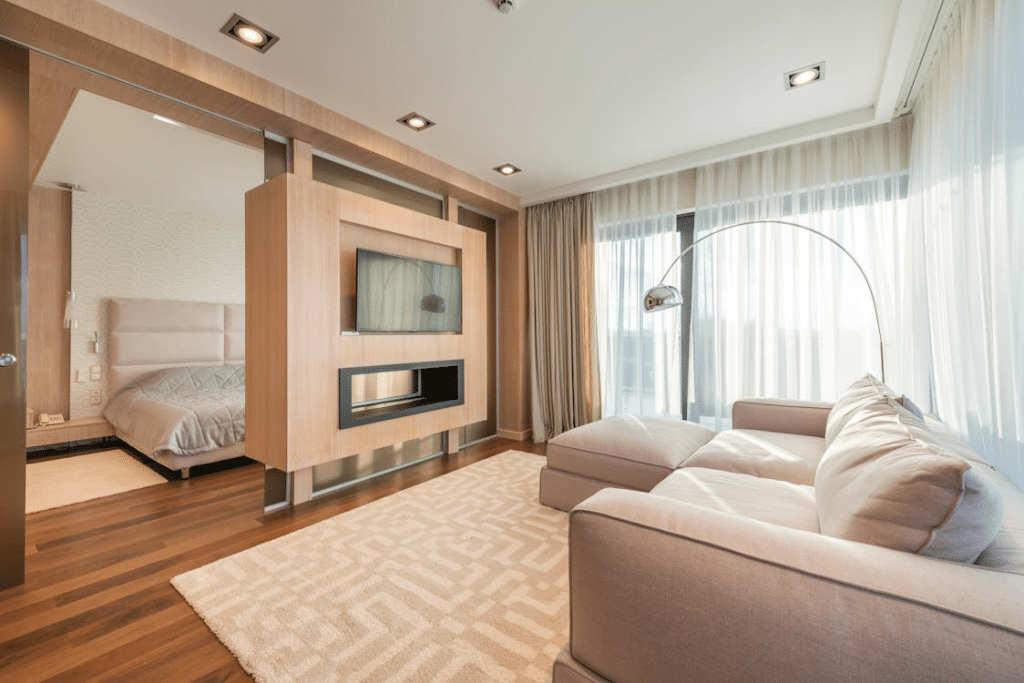
- Sliding Doors: Replace traditional doors with sliding or pocket doors to save floor space.
- Improved Lighting: Add under-cabinet lighting in kitchens or task lighting in work areas.
- Adjustable Shelving: Install adjustable shelves in closets or pantries for versatile storage.
Small functional upgrades enhance daily life while often requiring minimal time and investment.
Combining Style and Sustainability
Many DIY projects today emphasize eco-friendly materials and sustainability. Using sustainable practices adds both ethical value and modern appeal. Consider:
- Reclaimed Wood: Use salvaged wood for shelves, furniture, or wall accents.
- Low-VOC Paints: Choose environmentally friendly paints to reduce indoor air pollution.
- Upcycled Materials: Transform old items into new functional or decorative pieces.
- Energy-Efficient Fixtures: Install LED lighting or smart thermostats to conserve energy.
Sustainable DIY projects benefit the environment and often align with current interior design trends.
Safety Considerations for DIY Projects
Safety should always be a priority when undertaking DIY projects. Key precautions include:
- Wearing protective gear such as gloves, masks, and safety glasses
- Reading instructions for tools, materials, and equipment thoroughly
- Ensuring proper ventilation for painting or chemical use
- Using appropriate ladders or scaffolding for elevated work
- Avoiding tasks that exceed your skill level without supervision or guidance
Following safety measures ensures that projects are completed successfully without accidents.
Practical Tips for Successful DIY Projects
To maximize both style and functionality, consider these general tips:
- Start small and gradually take on more complex projects
- Use high-quality materials for durability and long-term use
- Keep your workspace organized to prevent mistakes and accidents
- Document your process for future reference or inspiration
- Seek inspiration from online tutorials, social media, or DIY magazines
Consistent application of these tips increases the chances of completing successful, stylish, and functional DIY projects.
Conclusion
DIY home projects are an excellent way to enhance both the style and functionality of your living space. Through careful planning, creative storage solutions, furniture upgrades, functional office spaces, decorative touches, and sustainable practices, homeowners can achieve a personalized environment that reflects their taste and supports daily life. Even small improvements, when executed thoughtfully and safely, can have a significant impact on comfort, efficiency, and visual appeal. Embracing DIY not only transforms homes but also empowers individuals to express creativity, problem-solve, and enjoy the satisfaction of crafting spaces that truly feel like home.
References:
- Houzz. (2023). Top DIY Home Projects for Style and Function. https://www.houzz.com
- Better Homes & Gardens. (2022). DIY Tips and Tricks for Functional Living Spaces. https://www.bhg.com
- Apartment Therapy. (2023). Creative DIY Projects for Every Room in Your Home. https://www.apartmenttherapy.com
- Home Depot. (2022). DIY Projects and Ideas for Home Improvement. https://www.homedepot.com

 Smart Finance Tools That Support Long-Term Goals