Gardening Ideas That Improve Outdoor Spaces
Henry Caldwell October 1, 2025
When it comes to enhancing your outdoor space, gardening plays a pivotal role in transforming dull and uninspiring areas into vibrant, functional havens. From lush greenery to sustainable plant choices, the gardening trends of today are not only about aesthetic appeal but also about sustainability and functionality. In 2025, gardening is more than just planting flowers and mowing the lawn. It’s about creating spaces that serve multiple purposes, enrich your home’s aesthetic, and contribute to environmental health.
Here’s a look at the top gardening ideas that are currently shaping outdoor spaces, providing homeowners with both beautiful and practical outdoor living areas.
1. Vertical Gardens for Small Spaces
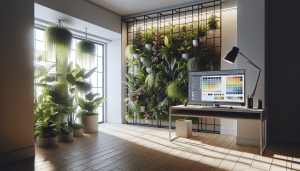
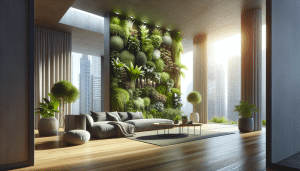
As urban living becomes more prevalent and outdoor space continues to shrink, the trend of vertical gardens has gained significant popularity. Vertical gardening allows homeowners to grow plants in small areas, using structures like trellises, living walls, and hanging gardens. These methods not only maximize the available space but also add a unique aesthetic to your outdoor area.
Whether you’re looking to create a mini vegetable garden or a lush, green space for relaxation, vertical gardens can be designed to suit your style. Living walls, in particular, have gained popularity for their ability to add a green element to walls, fences, and even city buildings, making them a prime choice for both homes and businesses.
Benefits:
- Maximizes space, perfect for small gardens or city apartments.
- Can be used to grow herbs, flowers, and even vegetables.
- Improves air quality by introducing more plants into your environment.
2. Sustainable Gardening with Native Plants
With increasing awareness of climate change and environmental degradation, sustainable gardening has emerged as a dominant trend. One of the easiest ways to practice sustainability in your garden is by choosing native plants. Native plants are well-adapted to your local climate and soil, requiring fewer resources such as water and fertilizers.
They also provide valuable habitats for local wildlife, contributing to the ecosystem by supporting pollinators like bees and butterflies. By planting native species, gardeners can reduce the need for harmful pesticides and fertilizers, making their outdoor spaces more eco-friendly.
Popular Native Plants Include:
- Purple coneflowers
- Black-eyed Susans
- Bee balm
Benefits:
- Low maintenance and drought-resistant.
- Supports local wildlife, promoting biodiversity.
- Reduces the need for chemical interventions.
3. Edible Landscaping for Functional Beauty
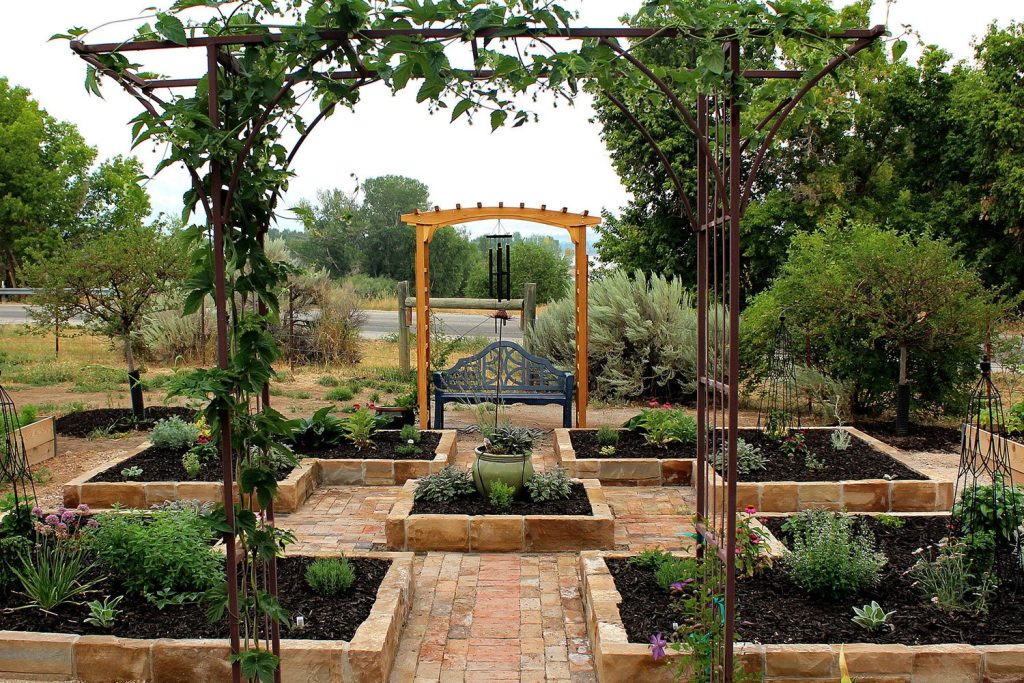
Why settle for just visual beauty when you can have both aesthetics and practicality? Edible landscaping is a rising trend that integrates edible plants like herbs, fruits, and vegetables into traditional garden designs. Imagine a garden where ornamental plants coexist with berry bushes, fruit trees, and aromatic herbs.
This trend not only beautifies your space but also offers practical benefits, such as fresh ingredients for cooking and reducing your grocery bills. Edible landscaping can be implemented in various ways, from growing vegetables in raised beds to incorporating fruit-bearing plants into your flower borders.
Benefits:
- Provides fresh, homegrown food.
- Combines beauty with functionality.
- Reduces reliance on commercial produce, supporting sustainability.
4. Smart Gardens and Technology Integration
As technology continues to evolve, so does its integration into gardening. Smart gardens, equipped with sensors and automated systems, are becoming increasingly popular. These gardens can track moisture levels, temperature, and light exposure, automatically adjusting irrigation schedules or even notifying you when plants need attention.
For those who are particularly busy or those who live in climates with unpredictable weather, this technology can be a game-changer. With smart irrigation systems, gardeners can conserve water while ensuring their plants thrive.
Smart Gardening Tools Include:
- Automated irrigation systems
- Soil moisture sensors
- Smart planters with built-in watering systems
Benefits:
- Saves time and effort through automation.
- Optimizes water usage, contributing to water conservation efforts.
- Makes gardening accessible for those with limited time or knowledge.
5. Outdoor Living Spaces with Garden Rooms
Another major trend is the creation of garden rooms, or outdoor living spaces, where people can dine, relax, or work in the comfort of their own garden. These spaces blend seamlessly with the natural surroundings and often feature covered patios, pergolas, and stylish furniture. Many homeowners are investing in garden rooms as extensions of their indoor living areas, creating multifunctional spaces that can be enjoyed year-round.
Whether you’re entertaining guests, enjoying a quiet evening with a book, or having a family dinner outdoors, garden rooms provide the perfect backdrop. With the addition of outdoor heating or retractable roofs, these spaces can be used in any season, providing an all-weather solution for outdoor living.
Benefits:
- Increases the usable living space in your home.
- Creates a perfect space for entertaining or relaxing.
- Can be customized with various themes and furniture for a personalized touch.
6. Water-Saving Features and Xeriscaping
Water conservation has never been more important, and xeriscaping is one of the most effective ways to reduce water usage in your garden. Xeriscaping involves landscaping with drought-resistant plants and designing your garden to minimize water use. In addition to incorporating native plants, xeriscaping encourages efficient irrigation systems and mulching techniques to keep moisture in the soil.
Incorporating water-saving features like rain barrels or greywater recycling systems can also significantly reduce your garden’s water consumption. With these techniques, you can have a thriving garden without worrying about wasting water.
Benefits:
- Reduces water usage and lowers water bills.
- Helps preserve local water resources.
- Encourages sustainable, drought-resistant gardening practices.
7. Lighting for Mood and Security
Outdoor lighting not only enhances the aesthetic appeal of your garden but also adds a layer of security to your space. The right lighting can highlight key features of your garden, such as fountains, trees, and flower beds, creating a magical ambiance at night. Solar-powered lights are a popular choice, as they are eco-friendly and easy to install.
Smart lighting systems also allow homeowners to control lighting remotely or set up timers, ensuring that their garden is beautifully illuminated without the need for constant adjustments.
Benefits:
- Improves garden aesthetics and ambiance.
- Increases safety and security around your property.
- Low maintenance and energy-efficient options available.
Conclusion
The garden trends of 2025 offer innovative ways to improve your outdoor spaces, making them more functional, sustainable, and beautiful. Whether you’re looking to maximize your space with vertical gardens or reduce your environmental footprint with native plants and xeriscaping, there’s an idea for every gardener. The key is to find what fits your lifestyle and aesthetic preferences while contributing to a greener, more sustainable future.
References
- Barlow, D. (2024). Sustainable gardening: The benefits of using native plants. Available at: https://www.greenlivingjournal.com (Accessed: 1 October 2025)
- Johnson, M. (2025). The rise of vertical gardens in urban spaces. Available at: https://www.urbangardeningreview.com (Accessed: 1 October 2025)
- Thompson, L., & Reed, P. (2024). Smart gardening: How technology is transforming outdoor spaces. Available at: https://www.gardentechmonthly.com (Accessed: 1 October 2025)

 Travel Experiences That Combine Culture and Learning