Nutrition Tips That Support Energy Levels
Sofia Marquez September 30, 2025
Maintaining steady energy throughout the day has become a hot topic in 2025. With rising awareness about burnout, biohacking, and wellness culture, more people are looking for nutrition tips that support energy levels naturally. This article explores science-backed trends, dietary strategies, and practical hacks to help you stay energized from morning to night.
Why Energy Levels Fluctuate
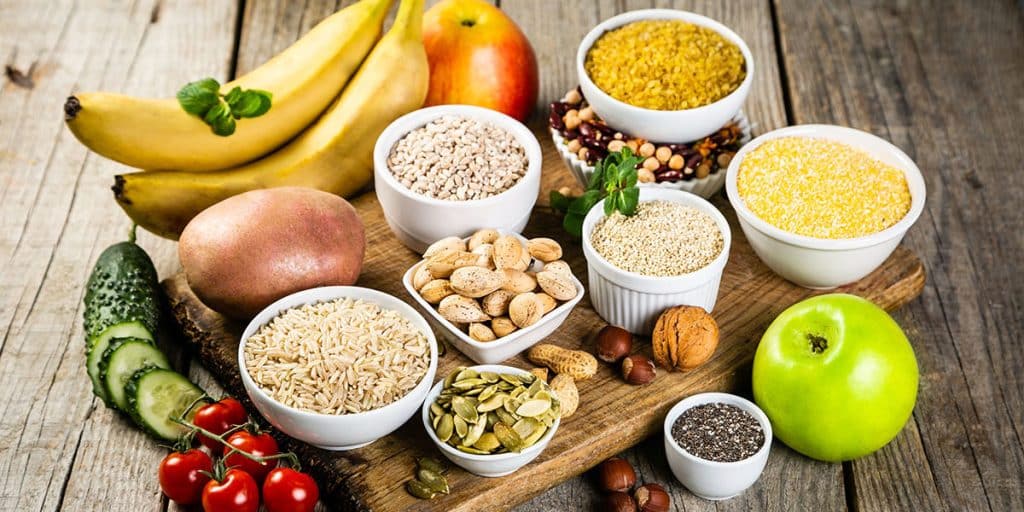
Feeling energetic is about more than just getting enough sleep. Nutrition plays a central role in how your body regulates blood sugar, supports mitochondria (the “power plants” of your cells), and manages hormones like cortisol and insulin. When diets are heavy in refined carbs, sugary drinks, or highly processed foods, energy tends to spike and crash quickly. On the other hand, whole foods rich in fiber, protein, and micronutrients help provide long-lasting fuel.
This explains why someone who eats a pastry and coffee at breakfast might feel great for an hour but sluggish by mid-morning, while another person who eats oats, fruit, and protein stays focused until lunch. Nutrition choices can literally mean the difference between powering through your day or hitting the dreaded afternoon slump.
Trend 1: Blood Sugar-Friendly Foods
One of the biggest nutrition shifts in 2025 is the focus on blood sugar balance. Instead of chasing weight loss alone, people are seeking foods that prevent glucose spikes and crashes. Continuous glucose monitors (CGMs), once only used by diabetics, are now popular among health-conscious individuals tracking energy responses to meals.
Best Foods to Try for Steady Energy:
- Oats with chia seeds and Greek yogurt for breakfast
- Lentil or quinoa bowls with avocado and leafy greens
- Apple slices with almond butter as a snack
According to Harvard Health (2024), meals that combine complex carbs, protein, and healthy fats slow the release of glucose into the bloodstream, keeping energy stable and preventing sudden drops in focus (Harvard Health Publishing 2024).
Trend 2: Adaptogens for Stress and Energy
Stress is a major drain on energy, and this is where adaptogens—herbal compounds that help the body handle stress—have become popular. In 2025, ashwagandha powders, rhodiola capsules, and ginseng teas are found in mainstream supermarkets.
Research shows adaptogens may improve endurance, reduce stress-related fatigue, and support mental clarity (Panossian and Wikman 2023). They don’t act like stimulants, but rather help the body achieve balance.
How People Use Adaptogens in Daily Life:
- Ashwagandha tea in the morning to support calm energy
- Rhodiola before demanding work projects
- Ginseng added to smoothies for an energy boost
Unlike energy drinks or coffee, adaptogens work gradually over time and can be used safely for longer periods.
Trend 3: Magnesium and Electrolytes Everywhere
Electrolyte powders used to be marketed only for athletes, but now they’re trending among office workers, gamers, and busy professionals who spend hours in front of screens. Why? Because hydration and mineral balance are key for consistent energy.
Magnesium, in particular, plays a central role in energy metabolism. Without enough magnesium, the body struggles to produce ATP—the molecule that delivers energy to every cell. A Journal of Nutrition review confirmed that magnesium deficiency can impair energy production and lead to fatigue (Volpe 2019).
Daily Hacks for Electrolytes:
- Mix electrolyte powder in water during long workdays
- Eat magnesium-rich foods like pumpkin seeds, spinach, and dark chocolate
- Add potassium sources like bananas, beans, or sweet potatoes to meals
This is one of the simplest but most overlooked ways to support energy.
Trend 4: Protein Timing and Distribution
Protein isn’t just for athletes—it’s essential for anyone who wants stable energy. In 2025, dietitians emphasize protein distribution throughout the day rather than loading it all at dinner. Studies suggest that eating protein consistently helps regulate blood sugar, build lean muscle, and support neurotransmitters like dopamine, which affects motivation and alertness (Norton and Layman 2022).
How to Apply This Tip:
- Eat 20–30 grams of protein at breakfast (eggs, tofu scramble, or protein shake)
- Snack on Greek yogurt, hummus, or edamame in the afternoon
- Include lean meats, lentils, or fish at dinner
This ensures your brain and body receive a steady supply of amino acids, rather than peaks and valleys in energy.
Trend 5: Smarter Caffeine with L-Theanine
Caffeine remains the world’s favorite pick-me-up, but in 2025 the trend isn’t drinking more—it’s drinking smarter. People are combining caffeine with L-theanine, an amino acid found in green tea. This combination has been shown to smooth out caffeine’s jittery effects and improve sustained focus (Giesbrecht et al. 2020).
Smart Ways to Use Caffeine + L-Theanine:
- Replace multiple coffees with a matcha latte
- Use green tea in the afternoon for smoother energy
- Try supplements that combine the two compounds
This approach helps people stay alert without the dreaded caffeine crash.
Trend 6: Intermittent Fasting 2.0
Intermittent fasting has been around for years, but in 2025 it has shifted focus—from weight loss to energy optimization. By restricting eating to certain hours, people align food intake with their circadian rhythms. This improves mitochondrial function and insulin sensitivity, which directly affect daily stamina (Patterson and Sears 2017).
Common Fasting Methods in 2025:
- 16:8 (fast for 16 hours, eat within an 8-hour window)
- Early time-restricted feeding (eating only between 7 AM and 3 PM)
- Modified fasting with calorie-light “fasting snacks” like bone broth
People report better morning energy, improved focus, and reduced afternoon slumps with these approaches.
Practical Daily Hacks for Energy in 2025
Here are five simple but powerful strategies to boost energy with nutrition:
- Start your day balanced – Eat protein and complex carbs at breakfast instead of pastries.
- Snack smart – Choose nuts, seeds, or Greek yogurt over energy bars loaded with sugar.
- Hydrate wisely – Add electrolytes to water, especially during long screen time.
- Cycle caffeine – Coffee in the morning, green tea in the afternoon.
- Build energy plates – Fill half your plate with vegetables, one-quarter with protein, and one-quarter with whole grains.
Looking Ahead: Energy as the New Health Metric
In 2025, people care less about dieting for looks and more about eating for energy. The ability to stay alert, focused, and strong all day has become a marker of wellness and productivity. From office workers using electrolytes to students choosing protein-packed snacks, the movement toward nutrition tips that support energy levels is transforming modern lifestyles.
References
- Harvard Health Publishing (n.d.) Eating to boost energy. Available at: https://www.health.harvard.edu (Accessed: 30 September 2025)
- Volpe, S. L. (2013) ‘Magnesium in Disease Prevention and Overall Health’. Available at: https://advances.nutrition.org (Accessed: 30 September 2025)
- Volpe, S. L. (2013) ‘Magnesium in Disease Prevention and Overall Health’. Available at: https://pmc.ncbi.nlm.nih.gov (Accessed: 30 September 2025)

 Fitness Routines That Improve Mental Focus