Interior Decor Ideas That Maximize Natural Light
Henry Caldwell September 30, 2025
Natural light is no longer just a design feature—it has become a measure of comfort, wellness, and sustainability. Homeowners increasingly seek spaces where daylight is abundant, as it directly affects mood, productivity, and energy bills. According to the American Institute of Architects, daylighting ranks among the top three features requested in residential projects, valued both for aesthetics and efficiency (AIA 2023).
This article explores interior decor ideas that maximize natural light, combining practical solutions with emerging design trends. Whether you live in a spacious house or a small apartment, the following strategies can transform your home into a brighter, healthier living space.
1. Window Treatments That Invite Light
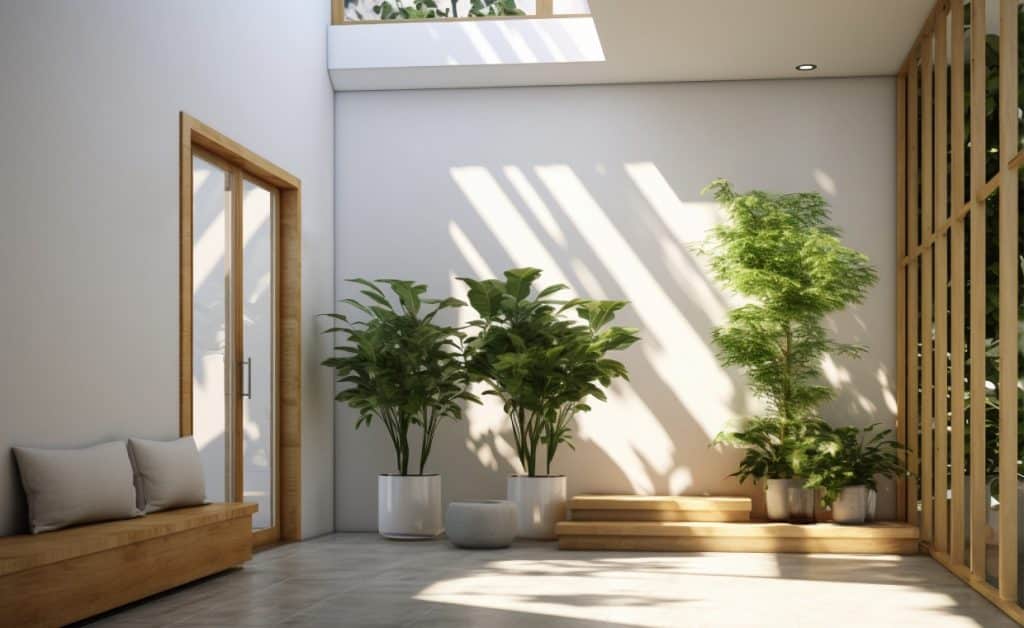
The quickest way to brighten a space is by rethinking window coverings. Heavy curtains block daylight, while sheer fabrics and smart blinds let it flow naturally. A 2022 Houzz study showed that 58% of homeowners renovating their living spaces opted for minimal curtains or none at all, prioritizing brightness (Houzz 2022).
Design Tip: Choose sheer curtains in light neutrals such as ivory or beige. They soften sunlight without creating shadows, allowing a steady flow of brightness.
2. Open-Concept Floor Plans
Open layouts remain one of the most effective ways to maximize natural light. By removing unnecessary walls, daylight travels across rooms, making even small homes feel expansive. Architectural Digest reported in 2023 that open-concept spaces can appear up to 40% brighter than enclosed floor plans (Architectural Digest 2023).
Pro Idea: If full renovations aren’t possible, glass doors or half-walls can serve as alternatives, preserving openness while defining zones.
3. Reflective Surfaces and Finishes
Light doesn’t just come from windows—it bounces. Mirrors, glossy furniture, polished stone, and metallic accents all help amplify daylight. For instance, a mirrored backsplash in a kitchen can double the perceived brightness of the room.
Trend: Reflective paints with subtle sheen are becoming popular in bedrooms and living rooms, giving walls a brighter finish without high glare.
4. Skylights and Solar Tubes
Skylights remain one of the most effective daylighting tools. In darker rooms like hallways or bathrooms, tubular daylighting devices (solar tubes) bring sunlight directly from the roof. According to Energy Star, properly installed skylights can reduce reliance on artificial lighting by nearly one-third (Energy Star 2022).
Eco Benefit: Besides brightness, skylights enhance ventilation, reduce utility bills, and add architectural interest to ceilings.
5. Light-Colored Walls and Flooring
The palette of a home determines how well light reflects. White, cream, or pale gray walls make spaces brighter, while darker tones absorb light. Floors also matter: lighter hardwood, pale laminate, or stone tiles create continuity and reflection.
Design Hack: Use matte paint on walls to reduce glare but maintain reflection. For ceilings, pure white remains the best reflector.
6. Maximizing Small Spaces
Compact homes often struggle with brightness. Clever design choices can compensate. Avoid bulky furniture that blocks windows. Use glass coffee tables, floating shelves, and slim-legged chairs to create openness.
Practical Tip: Place mirrors directly opposite the largest window. This doubles the amount of perceived daylight and makes rooms feel more spacious.
7. Indoor-Outdoor Connection
Biophilic design emphasizes connection with nature, often through large glass sliding doors or folding panels that merge indoors and outdoors. Research in the Journal of Environmental Psychology shows that exposure to daylight through biophilic design reduces stress and boosts mood (Li and Sullivan 2021).
Pro Tip: Opt for patio doors with minimal frames to maximize glass surface, allowing the most daylight inside.
8. Smart Light Control
Technology has entered daylight design. Automated blinds adjust based on sun position, while electrochromic glass transitions from clear to opaque with the touch of a button. These innovations balance brightness with comfort and privacy.
Example: Electrochromic glass is increasingly found in modern urban homes, providing abundant natural light without overheating interiors.
9. Furniture Scale and Placement
Furniture layout impacts how much daylight enters a space. Large pieces near windows block light, while low-profile seating and open shelving preserve brightness.
Layout Strategy: Keep taller furniture against walls, leaving window areas clear. Transparent acrylic tables or chairs further reduce visual weight.
10. Pops of Color for Vibrancy
Neutral backdrops maximize reflection, but accents in pastel tones—mint, blush, sky blue—add personality while keeping spaces light. Dark shades should be used sparingly to avoid absorbing daylight.
Styling Note: Use colorful cushions, throws, and artwork to create contrast without darkening the space.
11. Paint Finishes and Ceiling Tricks
Paint isn’t just about color—it’s also about finish. Satin and eggshell reflect more light than flat paint, making them ideal for living rooms and hallways. Ceilings, often overlooked, can be painted in bright white or even pale blue to mimic the sky.
Expert Insight: Interior designers recommend painting crown molding a shade lighter than walls to visually expand the ceiling and bounce more daylight downward.
12. Mirrors as Architectural Features
Beyond wall-mounted mirrors, reflective surfaces can be incorporated into architecture itself. Mirrored closet doors, reflective wall panels, and metallic light fixtures enhance daylight without clutter.
Design Idea: Consider a mirrored wall in narrow hallways to create depth and brightness.
13. Glass Interior Elements
Features such as stair railings, interior doors, and partition walls made of glass allow daylight to travel from one room to another.
Pro Example: Frosted glass partitions maintain privacy while allowing sunlight to filter through, especially useful in home offices.
14. Sustainable Design Meets Daylight
Maximizing daylight is also a sustainability practice. Homes designed with natural lighting in mind require less artificial lighting, lowering carbon footprints. Passive solar design, which positions windows to capture sunlight in winter and reduce it in summer, is gaining momentum worldwide.
Eco Note: Sustainable homes with effective daylighting often achieve higher property values because buyers associate them with energy savings.
15. Wellness-Focused Living
Daylight influences the body’s circadian rhythm, regulating sleep and mood. Emerging trends integrate wellness into design by aligning natural light exposure with daily routines. Morning rooms positioned to catch sunrise light and living rooms oriented westward for afternoon sun are becoming intentional design choices.
Future Outlook: Expect daylighting to become a primary health feature in residential design, on par with air quality and thermal comfort.
Conclusion: Living Brighter Every Day
Natural light is more than a decorative feature—it’s essential for healthier, happier living. From open-concept layouts and skylights to reflective finishes and smart technology, these interior decor ideas that maximize natural light reshape homes into brighter sanctuaries. By combining wellness principles with design creativity, homeowners not only enhance comfort but also embrace sustainable, future-forward living.
References
- American Institute of Architects. (2025). Home Design Trends Survey (HDTS). Available at: https://www.aia.org (Accessed: 30 September 2025)
- Houzz Inc. (2022). 2022 U.S. Houzz & Home Study: Renovation Trends. Available at: https://www.houzz.com (Accessed: 30 September 2025)
- Boubekri, M., et al. (2014). Impact of Windows and Daylight Exposure on Overall Health: A Review. Available at: https://jcsm.aasm.org (Accessed: 30 September 2025)

 Fitness Routines That Improve Strength and Flexibility