Interior Design Ideas That Maximize Natural Light
Henry Caldwell September 29, 2025
Natural light is no longer just a nice-to-have feature—it’s become a cornerstone of modern home design. Beyond aesthetics, light-filled spaces contribute to better mental health, higher productivity, and energy savings. Research shows that exposure to natural light regulates circadian rhythms, improves mood, and enhances cognitive performance (Kuller and Wetterberg 1993). This makes it more than just a design choice—it’s a lifestyle upgrade.
In this article, we’ll explore interior design ideas that maximize natural light, including current trends and actionable tips you can apply to your own space today.
1. Embrace Open Floor Plans
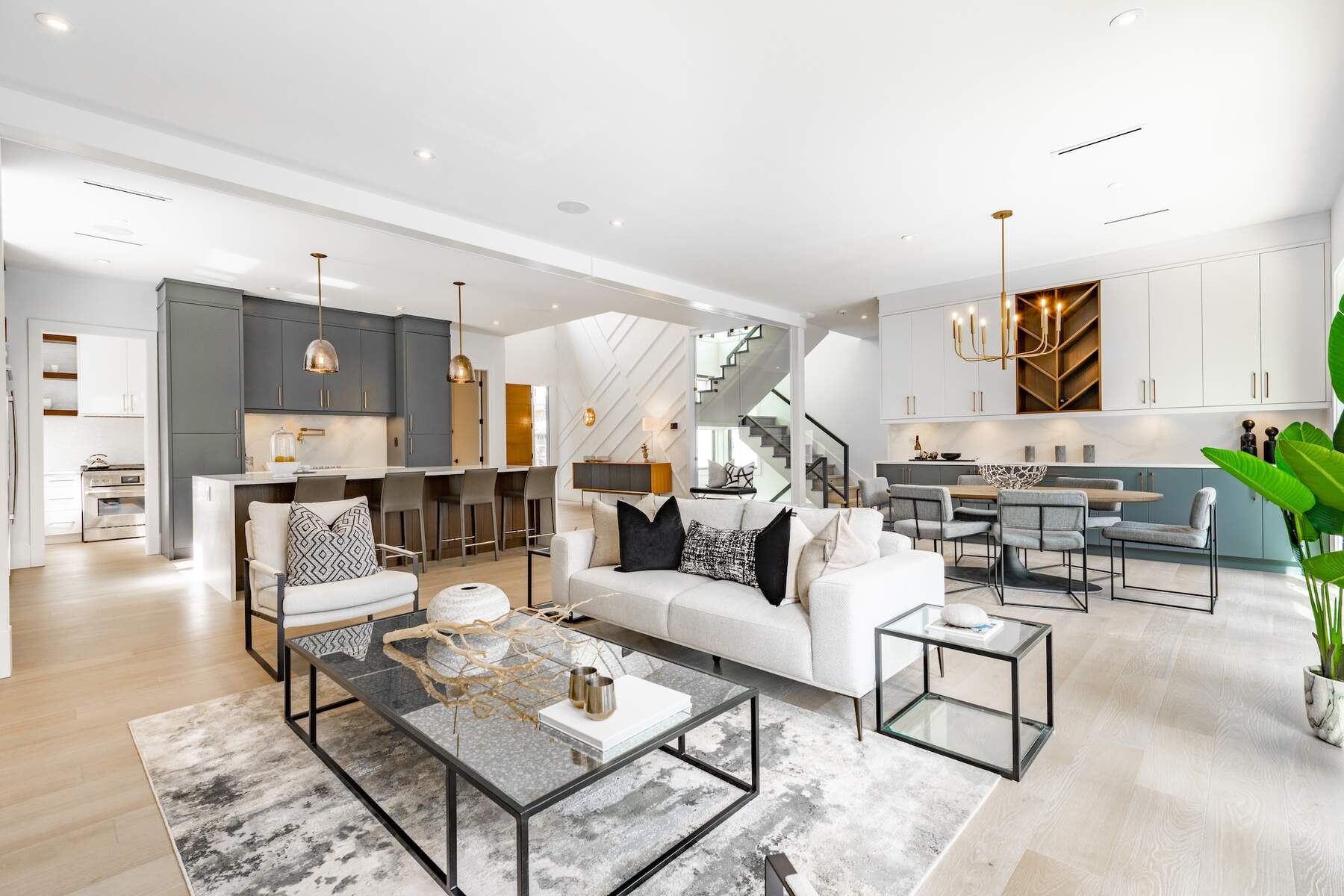
Walls block light. By opening up your layout, you allow sunlight to flow freely between rooms. Open floor plans are still trending, especially in urban apartments where natural light is limited. Removing non-structural walls or replacing them with glass partitions can dramatically change the way light moves inside.
- Replace heavy dividers with shelving units or see-through partitions.
- Opt for sliding glass doors instead of solid barriers.
- Use continuous flooring to create a seamless look that reflects light throughout.
According to the American Institute of Architects, 58% of homeowners renovating in 2023 requested more open spaces, with natural light being the number one driver (AIA 2023).
2. Maximize Window Design
Windows are the obvious source of sunlight, but how you design and frame them matters.
- Bigger is better: Floor-to-ceiling windows are increasingly popular, especially in contemporary architecture.
- Orientation counts: South-facing windows capture more consistent light, while east- and west-facing windows bring dynamic morning and evening light.
- Minimal frames: Slim, black-framed windows not only look modern but also maximize the glass-to-frame ratio, letting in more sunlight.
If replacing windows isn’t an option, consider enlarging them with visual tricks: light curtains hung high and wide give the illusion of taller, broader openings.
3. Choose Light-Reflecting Surfaces
Your choice of materials can double the amount of light a space appears to have. Reflective surfaces bounce daylight deeper into the room.
- Glossy finishes on cabinets and countertops help distribute light.
- Mirrors placed opposite windows create an illusion of extra windows.
- Light-colored walls with matte finishes soften the light and spread it evenly.
A 2021 Houzz survey revealed that 64% of homeowners repainting interiors chose white or light gray shades specifically to maximize natural light in their spaces (Houzz 2021).
4. Go Minimal With Window Treatments
Heavy drapes block light and make rooms feel smaller. Current design trends favor minimal or sheer treatments that allow light through while still providing privacy.
- Sheer curtains soften light without blocking it.
- Roller shades can disappear completely when not in use.
- Motorized blinds are a high-tech solution for controlling glare at different times of day.
Think Scandinavian simplicity—airy, uncluttered, and bright.
5. Integrate Skylights and Solar Tubes
For spaces where windows are limited—like bathrooms, attics, or hallways—skylights and solar tubes provide a dramatic difference.
- Skylights: Best for rooms under pitched roofs, offering direct overhead sunlight.
- Solar tubes: These use reflective tunnels to channel sunlight from the roof into interior rooms.
Research published in Building and Environment highlights how skylights can reduce electricity use by up to 40% during daylight hours (Li and Lam 2001).
6. Use Glass and Reflective Partitions
Instead of opaque walls, consider glass partitions, sliding glass doors, or even frosted panels. They allow light to move through spaces while still offering privacy.
This is particularly effective in small apartments where every inch of daylight matters.
7. Optimize Furniture Placement
Furniture can either block or channel natural light. For example:
- Keep tall furniture away from windows.
- Choose low-profile sofas and chairs to prevent blocking sightlines.
- Place mirrors strategically behind or beside furniture to reflect light.
Minimalism is key here—fewer bulky pieces mean more space for light to travel.
8. Light-Colored Flooring
Flooring plays a surprisingly big role in how light moves. Light-colored hardwood, bleached oak, or polished concrete reflect sunlight and help make rooms look larger.
Carpets and rugs in light tones can also amplify brightness.
9. Biophilic Design: Light Meets Nature
One of the hottest interior design trends of 2024 is biophilic design—integrating nature indoors. Plants thrive in well-lit areas, and strategically placing greenery by windows creates a seamless connection between indoors and outdoors.
- Vertical gardens by glass walls enhance natural light’s impact.
- Light shelves combined with plants act as living reflectors.
Biophilic design has been linked to stress reduction and improved cognitive function (Kellert 2018).
10. High-Tech Lighting That Complements Daylight
While maximizing natural light is the goal, artificial lighting should support—not fight—it.
- Tunable LED systems adjust to mimic natural daylight rhythms.
- Smart lighting integrates with daylight sensors, reducing energy waste.
- Recessed fixtures avoid casting shadows that interfere with natural light.
This creates a balanced, healthy atmosphere even after sunset.
11. Reflective Ceilings and Light Wells
A less obvious but increasingly popular approach is designing ceilings to boost light. Reflective or light-colored ceilings bounce sunlight deeper into a space. Light wells—small shafts cut into upper floors—are another architectural trend, particularly in compact urban housing.
They bring daylight from rooftops straight into central living areas, eliminating dark corners.
12. Mirrors as Architectural Tools
While mirrors are often treated as accessories, they can function as architectural elements. Consider mirrored closet doors, mirrored wall panels, or even furniture with reflective surfaces.
These expand the perception of space while amplifying light, making them a favorite trick among interior designers working on small apartments and condos.
Conclusion: A Brighter Future Indoors
Maximizing natural light isn’t just about aesthetics—it’s about health, sustainability, and energy efficiency. From open layouts and reflective finishes to skylights and smart lighting, these interior design ideas that maximize natural light offer practical and stylish solutions for modern living.
As trends in home design continue to evolve, one thing is clear: bright, sunlit interiors aren’t going out of style anytime soon.
References
- Küller, R. & Wetterberg, L. (1996). The subterranean work environment: Impact on well-being and health. Available at: https://f.hubspotusercontent40.net (Accessed: 29 September 2025)
- Houzz (2021). U.S. Houzz & Home Study. Available at: https://st.hzcdn.com (Accessed: 29 September 2025)
- Kellert, S. R. (2018). Nature by Design: The Practice of Biophilic Design. Available at: https://yalebooks.yale.edu (Accessed: 29 September 2025)

 Fitness Challenges That Encourage Daily Movement