Gardening Techniques That Encourage Sustainability
Henry Caldwell September 29, 2025
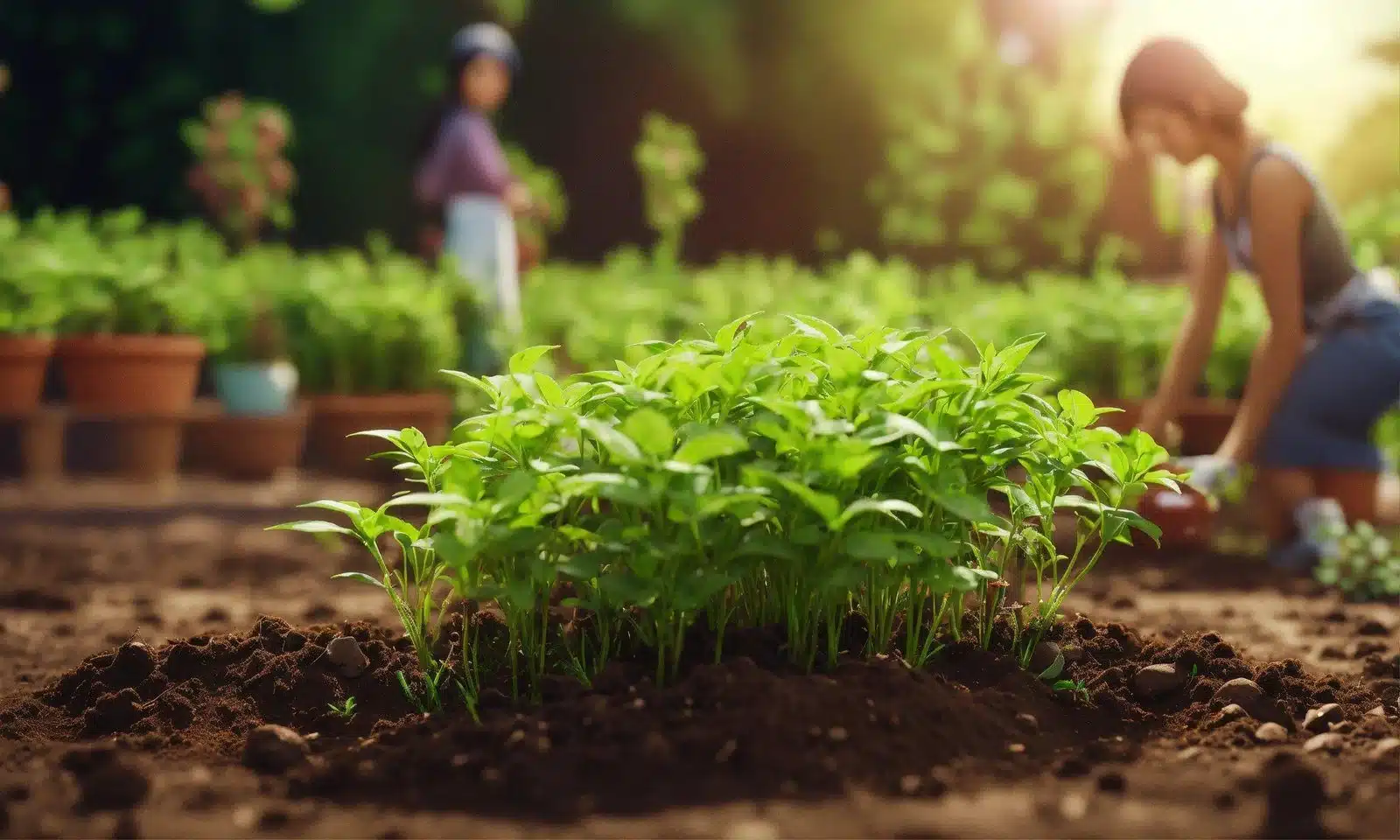
Sustainable gardening is no longer just a trend—it’s becoming essential. By focusing on regenerative gardening techniques, home gardeners can reduce waste, build healthier soil, and create resilient green spaces that support biodiversity.
Why Sustainable Gardening Matters Today
Climate change, water scarcity, and declining soil health are pushing gardeners to adopt eco-friendly methods. Sustainable gardening reduces dependence on synthetic fertilizers, lowers carbon footprints, and creates habitats for pollinators.
According to the UN Food and Agriculture Organization, over 33% of the world’s soils are degraded, making soil regeneration a global priority (FAO 2015). This urgency is why regenerative gardening is growing from a hobbyist practice into a global movement.
1. Composting: Turning Waste Into Black Gold
Composting remains one of the most accessible ways to garden sustainably. By recycling kitchen scraps and yard waste, gardeners reduce landfill contributions and enrich their soil naturally.
- Kitchen compost: Fruit peels, coffee grounds, and vegetable trimmings.
- Yard compost: Grass clippings, dried leaves, and prunings.
- Result: Rich humus that improves soil structure and retains water.
Research from Cornell University highlights that compost application improves soil organic matter, water retention, and plant health (Cornell Waste Management Institute 2017). For small spaces, bokashi composting and worm bins (vermicomposting) provide easy, odor-free alternatives.
2. Rainwater Harvesting: Making Every Drop Count
With droughts becoming more frequent, water conservation is at the core of sustainable gardening. Rain barrels, underground cisterns, and permeable paving systems allow gardeners to capture and reuse rainfall effectively.
Benefits include:
- Reducing reliance on municipal water.
- Preventing stormwater runoff that carries pollutants.
- Providing plants with naturally soft, chlorine-free water.
According to the EPA, rainwater harvesting can reduce household water use for outdoor irrigation by up to 40% (EPA 2021). Advanced systems even integrate drip irrigation, ensuring every drop goes directly where plants need it.
3. No-Dig Gardening: Protecting Soil Life
The no-dig approach minimizes soil disturbance, which preserves vital microorganisms and fungal networks like mycorrhizae. Instead of tilling, gardeners add organic layers such as compost or mulch directly on top.
Advantages:
- Prevents soil erosion.
- Encourages earthworm activity.
- Saves time and reduces physical labor.
Studies show that no-dig systems promote long-term soil fertility and biodiversity while locking carbon into the ground (Cooper et al. 2020). Gardeners who adopt no-dig often report fewer weeds and healthier crops over time.
4. Native Plant Landscaping: Gardening for Biodiversity
One of the strongest emerging trends is replacing ornamental, high-maintenance species with native plants adapted to local conditions.
- Low water demand: Native plants thrive with minimal irrigation.
- Support pollinators: Bees, butterflies, and birds depend on them.
- Resilient to pests: Fewer chemicals are needed.
A study published in Biological Conservation found that native plant gardens support twice as many pollinator species compared to non-native alternatives (Burghardt et al. 2009). Native landscaping not only sustains wildlife but also saves gardeners time and money on upkeep.
5. Companion Planting: Natural Pest Control
Sustainable gardening reduces dependence on chemical pesticides by leveraging natural plant partnerships.
Examples include:
- Marigolds with tomatoes: Repel nematodes and aphids.
- Basil with peppers: Enhances growth and deters pests.
- Corn, beans, and squash (Three Sisters method): A Native American tradition where each plant supports the others.
This method creates balanced ecosystems while improving yields and soil health. It’s a proven way to align food production with natural processes.
6. Vertical Gardening: Growing More in Less Space
Urban gardeners are increasingly adopting vertical gardens to maximize limited space. Using trellises, stacked planters, or wall-mounted systems reduces land usage while providing insulation benefits for buildings.
- Ideal for herbs, strawberries, and leafy greens.
- Minimizes weed pressure.
- Enhances air circulation, reducing plant diseases.
Vertical gardens also act as natural cooling systems in cities, reducing the urban heat island effect. Some cities are even incentivizing vertical gardening to improve air quality and community resilience.
7. Mulching: Locking in Moisture and Reducing Weeds
Mulching with organic materials like straw, shredded leaves, or wood chips protects soil and plants. It regulates soil temperature, reduces evaporation, and suppresses weed growth.
Types of mulch:
- Organic mulch: Breaks down to enrich soil.
- Living mulch: Ground cover plants such as clover provide nitrogen naturally.
Mulching reduces water use by up to 50% and boosts soil microbial activity (University of California Agriculture and Natural Resources 2019). For regenerative gardening, this simple practice has big payoffs.
8. Smart Irrigation: Precision Watering
Instead of wasteful overhead sprinklers, drip irrigation delivers water directly to plant roots. Modern “smart” irrigation systems connect to weather apps, adjusting schedules automatically.
Why it matters:
- Cuts water use by 30–50%.
- Prevents fungal diseases caused by wet foliage.
- Ensures plants get consistent hydration.
These systems are becoming more affordable and accessible, making them a staple in regenerative gardening practices worldwide.
9. Edible Landscaping: Beauty With Purpose
Blending ornamentals with edible plants is a rising trend. Think kale mixed with flowers, blueberry shrubs as hedges, or grapevines trained on pergolas.
Benefits:
- Reduces grocery costs.
- Encourages local food production.
- Adds aesthetic and functional diversity to gardens.
Edible landscaping aligns with the broader “farm-to-table” movement, giving homeowners fresh produce right outside their door. It’s not just sustainable—it’s also delicious.
10. Regenerative Practices for the Future
The future of sustainable gardening lies in regenerative design—systems that not only sustain but actively restore the environment. Techniques like biochar application, polyculture planting, and permaculture principles ensure gardens are resilient against climate change while nurturing ecosystems.
Practical steps gardeners can adopt today:
- Rotate crops yearly to prevent soil depletion.
- Use cover crops like clover or rye to enrich soil.
- Build habitats—bee hotels, bird baths, and hedgerows—to welcome wildlife.
- Experiment with perennial vegetables, which require less water and fertilizer.
By layering these practices, regenerative gardening turns backyards into climate-positive ecosystems.
Conclusion
Sustainable gardening techniques—like composting, rainwater harvesting, no-dig systems, and native plant landscaping—are transforming how we grow food and cultivate green spaces. By adopting these methods, gardeners contribute to soil health, biodiversity, and climate resilience.
The keyphrase regenerative gardening represents not just a practice but a movement toward a healthier planet. Whether you are a beginner with a balcony garden or managing a large backyard, every step toward sustainability makes a difference.
References
- Cornell Waste Management Institute (2017) Composting at Home. Available at: https://cwmi.css.cornell.edu (Accessed: 29 September 2025).
- FAO (2015) Status of the World’s Soil Resources. Available at: http://www.fao.org (Accessed: 29 September 2025).
- EPA (2021) Rainwater Harvesting. Available at: https://www.epa.gov (Accessed: 29 September 2025).

 Wellness Practices That Support Mental and Physical Health