Fitness Practices That Encourage Consistency
Sofia Marquez September 29, 2025
Building workout consistency is often the hardest part of a fitness journey. That’s where micro‑habit fitness comes in — a trend focused on embedding small, manageable movement habits into daily routines to produce lasting results. In this article you’ll learn how micro‑habit fitness works, why it’s gaining traction, and how to adopt it in your own life.
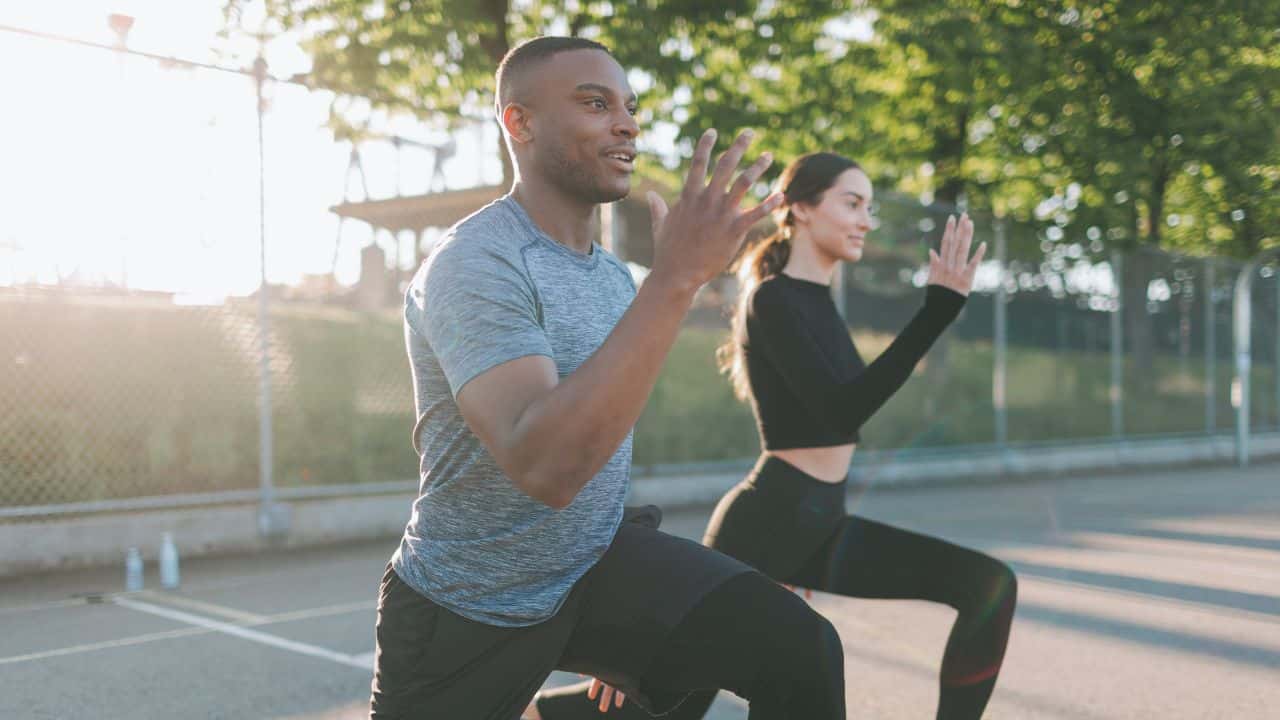
What Is Micro‑Habit Fitness?
“Micro‑habit fitness” refers to integrating extremely small, often 1‑ to 5‑minute movement routines into your daily life so that over time they compound into meaningful progress. Instead of trying to commit to 60-minute gym sessions from day one, you commit to a mini behavior you can almost always do. Over weeks and months, these micro habits link together into a consistent practice.
This idea builds on well‑studied principles of habit formation, such as repeating a behavior in a stable context until it becomes automatic. Research suggests it can take around 66 days (range 18–254 days) on average for a behavior to achieve a degree of automaticity. Repetition and consistency are more predictive of habit formation than short bursts of motivation.
In fitness, micro‑habits might look like:
- Doing 10 pushups first thing in the morning
- Taking a 3‑minute mobility stretch before brushing your teeth
- Doing a 2‑minute plank before dinner
- Walking for 5 minutes after lunch
The key is minimal friction: your micro habit should feel so easy that you’ll rarely skip it. Over time, you can stack more movement habits, or let the micro habit scale into longer routines.
Why Micro‑Habit Fitness Encourages Consistency
1. Reduces decision fatigue and excuses
Big, ambitious workouts often get derailed by “not enough time,” “too tired,” or “bad mood.” Because micro habits are trivial to execute, there’s far less excuse to skip them. When a movement is part of your routine, skipping feels more like breaking a default than skipping a workout.
2. Leverages cue‑behavior association
Habits form best when a stable cue triggers the behavior. By tying your micro habit to an existing daily anchor — e.g. “after I make coffee,” or “when I sit at my desk in the morning” — you create a stronger link between cue and action. Over time, the action becomes nearly automatic.
3. Builds psychological momentum
Completing a micro habit gives you a small win. That success boosts confidence, which motivates you to continue or even expand. This momentum is critical to sustain behavior during inevitable motivational dips.
4. Aligns with research on habit interventions
A meta‑analysis of physical activity interventions found that habit formation techniques (like “problem solving” to anticipate barriers) significantly improved physical activity compared to controls (SMD = 0.31).ⁿ² That is, interventions designed around habit principles had measurable effects. Moreover, gym attendance data shows that consistency in early weeks (especially via group classes or social support) strongly predicts long‑term adherence.ⁿ³
Thus, a micro‑habit fitness model that emphasizes repetition, small steps, and scaffolding aligns closely with what the science supports.
Examples of Emerging Micro‑Habit Fitness Trends
Here are some micro‑habit fitness patterns gaining popularity in 2025:
| Trend | Micro Habit Concept | Why It Works for Consistency |
|---|---|---|
| “Tread & Tone” (TikTok‑friendly) | During a 45‑minute flat treadmill walk, alternate 10 reps of light dumbbell moves (e.g. lateral raises).ⁿ⁴ | Integrates strength and cardio in a low-barrier way; you’re already walking, so adding micro movements is natural. |
| Micro HIIT bursts | 1‑minute high intensity (e.g. jumping jacks or burpees) sprinkled 3–5 times a day | Easier to commit to than full HIIT; you can distribute across your day |
| “Habit stacking” movement blocks | After you check your email, do 5 squats; after you get up to get water, add a calf raise | Anchors micro habit to existing behavior, reducing need for planning |
| Wearables prompting micro‑movement breaks | Smartwatches remind you to stand, stretch, or move every hour | Technology aids consistency by giving prompt cues (one of 2025’s top fitness trends is expanded wearable tech use) |
Over time, some micro habits grow naturally into longer sessions — e.g. 10 pushups becomes 50, or 5 minutes of walking evolves into a 30‑minute stroll.
How to Start Your Own Micro‑Habit Fitness Routine
Here’s a simple 5‑step process to begin:
1. Pick one micro habit to start
Choose just one small movement you’re confident you can do daily, even on low‑energy days. Keep it under 5 minutes. Example: 5 bodyweight squats in the morning.
2. Pair it with a strong anchor cue
Decide exactly when and where you’ll do it. For example: “Right after I brew my morning coffee, I will do 5 squats.” The cue should be fixed and reliable.
3. Add accountability or tracking
Mark your micro habit in a habit tracker, calendar, or journal. Even marking an “X” per day helps maintain consistency.
4. Anticipate and plan for obstacles
Think through common reasons you might skip (busy travel, fatigue) and make fallback versions. For example, reduce to 2 squats instead of skipping altogether.
5. After 4–6 weeks, layer or scale
Once the habit feels natural, you can:
- Increase reps (e.g. from 5 to 10)
- Add a second micro habit
- Transition it into a longer practice on more energetic days
The goal is incremental expansion, never rushed leaps.
Pitfalls & How to Address Them
- Overstretching too soon. If you try to scale too quickly (e.g. jumping from 5 pushups to 50 in a week), you risk fatigue or burnout. Let growth be gradual.
- Vague anchors. A cue like “later in the day” is weak. Use precise cues (time, location, preceding action).
- Neglecting rest days. Micro habits still benefit from occasional rest or deload weeks. Listening to your body remains important.
- Lack of enjoyment. Even micro habits should be tolerable or somewhat enjoyable. If you hate the movement, you’ll avoid it. Choose something you don’t dread.
- Skipping tracking. Without feedback, you may lose touch with whether the habit is really sticking. Track for at least a few months.
Why Micro‑Habit Fitness May Outlast Fad Workouts
Fitness fads (extreme challenges, ultra‑intense routines) often generate excitement but fail on sustainability. Micro‑habit fitness is inherently sustainable because:
- It lowers the barrier to entry
- It becomes integrated into daily life rather than carved out
- It compounds over time
- It aligns with how habit psychology works
As wearable tech, AI coaching, and in‑home systems become smarter in 2025, they increasingly support micro habit reinforcement. Wearables rank as the top fitness trend in 2025 per ACSM surveys.
If you treat fitness as “just one more micro habit among many,” barriers like energy, willpower, and time diminish. Over months, you’ll have built consistent habits — and long after motivation fades, those habits keep at least minimal movement alive.
Final Thoughts
“Micro‑habit fitness” is shaping up to be a refreshing, science‑aligned trend in 2025: small movements with outsized effects on consistency. By anchoring to daily routines, scaling gradually, and leveraging psychological insights, this approach is tailor‑made for busy lives that still demand long‑term fitness results.
If you’re tired of starting and quitting, drop the pressure to do it all. Start one tiny movement, attach it to your existing life, and watch over time how consistency becomes your baseline—not your struggle.
References
- Gardner, B., Lally, P., & Wardle, J. (2012). Making health habitual: the psychology of ‘habit‑formation’ and general practice. Available at: https://pmc.ncbi.nlm.nih.gov (Accessed: 29 September 2025)
- Ma, H., Wang, A., Pei, R., & Piao, M. (2023). Effects of habit formation interventions on physical activity habit strength: meta‑analysis and meta‑regression. Available at: https://ijbnpa.biomedcentral.com (Accessed: 29 September 2025)
- Singh, B., Murphy, A., & Maher, C. (2024). Time to Form a Habit: A Systematic Review and Meta‑Analysis of Health Behaviour Habit Formation. Available at: https://pmc.ncbi.nlm.nih.gov (Accessed: 29 September 2025)

 Travel Experiences That Combine Culture and Nature