Secrets to Thriving Indoor Plants Anyone Can Try
Henry Caldwell September 27, 2025
Unlock the full potential of your living spaces with thriving indoor plants. This practical guide explores how to create the perfect environment, select resilient houseplants, and care for them so they flourish, adding natural beauty and wellness to your home.
Why Indoor Plants Transform Living Spaces
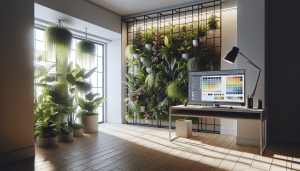
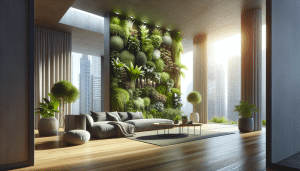
Indoor plants offer more than just visual appeal. Bringing greenery into a home can shift the ambiance and provide a tranquil, fresh feeling. The presence of living plants improves air quality as many species filter pollutants, dust, and toxins from indoor air, making it feel cleaner and more vibrant. Studies suggest that even small potted plants help decrease indoor carbon dioxide levels, supporting a healthier atmosphere. Plants like snake plants, pothos, and spider plants are particularly known for this air-purifying ability. Aside from the science, the mere sight of green leaves can inspire calm and elevate mood.
There is growing evidence that exposure to houseplants is linked to improved mental well-being. Many people experience a sense of relaxation and focus when tending to indoor greenery. Having plants around leads to lower stress levels, fewer feelings of fatigue, and a more inviting environment. Certain houseplants even introduce subtle scents that refresh a room without overpowering it. Thoughtful placement of potted plants—such as on windowsills, bookshelves, or tabletops—stimulates creativity and makes ordinary rooms look lush and lively. When planning to enhance home interiors, consider how greenery can become a daily delight.
Integrating houseplants is also a smart move for design flexibility. Unlike heavy furniture, plants can be easily rearranged to suit evolving tastes or changing seasons. For those who rent or frequently redecorate, this adaptability is essential. Hanging planters, floor-standing pots, and terrariums work in various room sizes, bringing life to every corner. Select trailing ivy, upright palms, or flowering anthuriums to suit your style. Ultimately, the value of indoor plants extends well beyond their beauty, creating healthier, happier living spaces for everyone.
Choosing Resilient Houseplants for Every Home
Not all indoor plants thrive in the same conditions. Some varieties adapt with remarkable resilience to low light, infrequent watering, or changing temperatures. The key to starting a successful indoor garden is choosing plants that match your home’s environment and your approach to plant care. Snake plants and pothos top many lists for their forgiving nature. Snake plants tolerate infrequent watering and dim corners, while pothos boasts hardy vines that flourish almost anywhere. Both are excellent for beginners and busy households.
For those who enjoy a pop of color, consider peace lilies or anthuriums. Peace lilies bring elegant white blooms, signalling when they need water by drooping their leaves. Anthuriums display bright, heart-shaped flowers and grow well with filtered sunlight. If the home receives plenty of sunlight, succulents like jade plants or echeveria offer distinctive shapes and thrive with minimal attention. Each plant has unique requirements, but reading basic care tags helps gardeners select varieties that will flourish in their specific living conditions.
Allergy concerns can influence plant choice, too. Some houseplants, such as Boston ferns, increase humidity and can help alleviate dry indoor air. In contrast, highly fragrant florals or those with pollen may not suit sensitive households. Many resources, including botanical gardens and cooperative extension offices, offer detailed guidance on pet-safe or hypoallergenic plant options (https://hgic.clemson.edu/factsheet/houseplants-selection-care). Taking time to match plants with household needs ensures a healthier, happier addition to your home.
Optimizing Light and Water for Success
Light is the most crucial factor for healthy houseplants. Different species require varying amounts of sunlight, from bright, indirect light to deep shade. For example, succulents crave sun-drenched areas, while ferns and pothos prefer indirect or low light. Placing plants near windows that face east or south often works best, but be mindful of harsh afternoon rays, which can scorch leaves. Sheer curtains help diffuse bright sunlight, ensuring delicate plants aren’t damaged. If natural light is limited, quality grow lights provide an excellent supplement, especially in winter or shaded rooms.
Watering habits can make or break indoor plant health. Overwatering is the most common reason plants suffer indoors. Each species demands a specific approach, with cactus and succulents needing very little, while tropical varieties often appreciate more frequent or misted moisture. Always check the top inch of potting soil before adding water; if it feels dry, it’s time to water. Draining pots prevent soggy soil and protect roots from rot. For those prone to forgetfulness, self-watering planters or reminders can support busy schedules and help maintain thriving foliage.
Humidity and air circulation also matter. Many houseplants, especially those native to rainforests, appreciate increased humidity levels, which can be achieved with a small humidifier or a pebble tray filled with water beneath the pot. Good airflow helps prevent mold and pest problems. Regularly rotating plants ensures even growth and exposure to light, while periodic cleaning of leaves with a damp cloth keeps dust away and photosynthesis efficient. By monitoring these core factors, anyone can create an environment where indoor plants genuinely thrive.
Soil, Fertilizer, and Repotting Essentials
Healthy roots depend on quality soil. Using the right potting mix for each species is vital, as it impacts drainage, nutrient uptake, and air circulation. Succulents, for example, demand free-draining soil, while tropical foliage prefers richer, moisture-retentive blends. Mixing in perlite or peat moss can improve aeration. Avoid using outdoor garden soil in pots—it’s too dense and may bring pests indoors. Sterile, bagged potting mixes are safer and formulated for optimal root health.
Nutrient requirements change throughout the year. Most indoor plants grow actively in spring and summer, needing regular but balanced fertilization. Slow-release fertilizer or diluted liquid feeds keep leaf color vibrant and promote new blossoms. During the colder, darker months, plant growth slows and fertilizing can be reduced or paused to avoid damaging roots. Following the instructions on fertilizer packaging is crucial, as too much fertilizer harms more than it helps. Observing how plants react over time helps fine-tune the feeding schedule for different varieties.
Repotting rejuvenates tired plants. Crowded root systems can stunt growth, causing yellowing leaves or slower development. Signs that it’s time to upgrade include roots circling the base, water running straight through, or visible crowding at the pot surface. Choose a new pot just slightly larger than the old one, gently loosen the roots, and add fresh potting soil. Repotting isn’t needed every year, but periodic checks ensure your green companions stay healthy and vibrant for years to come.
Troubleshooting Common Indoor Plant Problems
Despite best efforts, most plant lovers encounter occasional setbacks. Yellow leaves, drooping stems, or brown tips may signal issues with watering, light, or humidity. Yellowing often results from overwatering, while crispy, brown edges usually point to underwatering or dry air. Examining each plant’s position and recent care routine helps pinpoint solutions. Adjusting the plant’s location or fine-tuning watering generally brings noticeable improvement within weeks.
Pest infestations like spider mites, mealybugs, or fungus gnats can emerge, especially in warm, damp conditions. Early detection is key. Wipe down leaves regularly and inspect undersides for fine webbing or tiny insects. Non-toxic remedies, such as insecticidal soap or diluted neem oil, help manage outbreaks. Quarantining new or affected plants reduces the risk of spreading pests throughout your collection. Healthy plants are more resilient to insects and disease, so consistent care is the best defense.
If growth seems stunted or leaves fail to look their best, consider environmental adjustments before drastic action. Variations in daylight hours, temperature shifts, or changes in humidity all impact indoor plants, particularly with the arrival of different seasons. Patience and small modifications—like moving a plant closer to a window or adjusting humidity—often yield positive changes. Online communities, cooperative extension offices, and indoor gardening resources offer practical tips for diagnosing and solving plant care challenges (https://extension.psu.edu/indoor-plants-diagnosing-problems).
Beyond Aesthetics: Indoor Plants and Wellbeing
Caring for houseplants invites mindfulness into daily routines. Many plant owners discover joy, pride, and peace from watching their greenery grow. Watering, trimming, and even just observing plants encourages a mindful break from digital distractions. For families, tending indoor plants together fosters responsibility and offers children an up-close view of nature’s resilience. These small moments accumulate, creating a home atmosphere that nurtures both plants and people.
Research consistently links indoor gardening with psychological benefits. Bringing a small piece of nature indoors helps those who live in urban settings or apartments cultivate a sense of calm and connection to the living world. During stressful times, spending a few minutes caring for plants provides a calm retreat. Some studies even suggest that indoor gardening supports better sleep patterns and sharper attention. The act of nurturing a plant, even on a small scale, can deepen self-care routines and create lasting satisfaction.
Finally, thriving houseplants benefit everyone in the home, regardless of gardening experience. Patients in hospitals and care centers report higher well-being when surrounded by living plants. Workspaces enhanced with greenery feel less sterile and more creative. Selecting and caring for indoor plants proves that, with just a little knowledge and persistence, anyone can enjoy a brighter, more vibrant home environment all year round.
References
1. United States Environmental Protection Agency. (n.d.). Indoor Air Quality and Plants. Retrieved from https://www.epa.gov/indoor-air-quality-iaq/indoor-air-quality-houseplants
2. Clemson University Cooperative Extension. (n.d.). Houseplants: Selection and Care. Retrieved from https://hgic.clemson.edu/factsheet/houseplants-selection-care
3. Penn State Extension. (n.d.). Indoor Plants: Diagnosing Problems. Retrieved from https://extension.psu.edu/indoor-plants-diagnosing-problems
4. University of Vermont Extension. (n.d.). Growing Houseplants Indoors. Retrieved from https://www.uvm.edu/extension/mastergardener/growing-houseplants-indoors
5. NASA Clean Air Study. (n.d.). Interior Landscape Plants for Indoor Air Pollution Abatement. Retrieved from https://ntrs.nasa.gov/api/citations/19930073077/downloads/19930073077.pdf
6. The American Horticultural Society. (n.d.). The Benefits of Indoor Plants. Retrieved from https://www.ahsgardening.org/gardening-resources/master-gardener-fact-sheets/indoor-plants

 Unlocking Small Business Loan Options You May Not Know