Why Smart Home Gardening Might Surprise You
Henry Caldwell September 27, 2025
Curious about creating a flourishing garden with less guesswork and more delight? Discover how integrating smart home garden devices, sustainable practices, and low-maintenance ideas can make gardening accessible to everyone—no green thumb required. This comprehensive guide unveils tips and truths for making your home garden thrive.
Understanding the Appeal of Smart Home Gardening
Home gardening has taken on new meaning with the rise of smart technology and eco-conscious living. For many, having a thriving garden at home evokes a sense of calm, self-reliance, and accomplishment. Integrating smart garden systems goes beyond aesthetics; it reflects a commitment to healthier living and environmental stewardship. Modern smart gardening solutions bring tracking, automation, and customization right into the backyard or balcony, transforming the gardening process for both beginners and seasoned plant lovers. As the trend grows, people are finding more ways to align their garden spaces with personal wellness and sustainable choices.
The surge in smart home garden tools appeals to homeowners because of efficiency and ease. Systems like self-watering planters, weather-adaptive irrigation, and automated grow lights make it possible to cultivate flourishing gardens even in small spaces or challenging climates. Whether growing vegetables, ornamental flowers, or indoor houseplants, these innovations help eliminate much of the uncertainty that once deterred new gardeners. Such technology can monitor humidity, alert you about soil dryness, and recommend care tips—all through your phone. This effective blend of tradition and tech gives gardening a modern edge, ushering in a more mindful approach to home living.
The emotional benefits are equally significant. Studies have linked gardening with lower stress and improved mental resilience, especially when enhanced by technology that reduces frustration and maximizes reward (Source: https://www.takingcharge.csh.umn.edu/how-does-your-garden-grow). People using smart gardening methods often report higher satisfaction, as they can observe progress, predict yields, and rapidly address plant health issues. This shift places home garden projects within reach of many more households, making it easier to participate in a sustainable, rewarding lifestyle.
Smart Devices and Automation in Your Garden
Garden automation is one of the fastest-rising trends in home improvement. Smart devices—such as weather sensors, app-controlled irrigation systems, and Wi-Fi plant monitors—allow gardeners to care for their plants with unprecedented precision. Automation doesn’t just reduce chores; it adapts watering schedules based on real-time weather data, ensuring optimal hydration and helping conserve water. This can be especially useful for busy professionals or those who travel often, providing peace of mind that the garden’s wellbeing is secured. These devices often send alerts or integrate with home assistants, so maintenance is streamlined and simpler for everyone (Source: https://www.energy.gov/energysaver/smart-home-technologies).
Smart grow lights are another transformative innovation. They adjust light intensity and spectrum to match plant needs through various growth cycles, making it easier to cultivate greens and herbs indoors year-round. Automated systems are not just for tech enthusiasts—plug-and-play kits and wireless options mean that anyone can find a solution that suits their lifestyle and space. What once required guesswork and manual tracking can now be programmed, reducing the risk of common gardening mistakes like overwatering or inconsistent lighting. This is helping usher in a new era of reliable, low-maintenance gardening for modern homes.
Some communities have adopted smart gardening technology to connect neighbors and share advice, using apps and databases. These platforms can help new gardeners identify plant problems, exchange resources, or participate in local food-sharing efforts (Source: https://www.extension.purdue.edu/extmedia/HO/HO-260-W.pdf). Together, automation and connectivity make it easier for households to embrace gardening, grow healthier plants, and build greener neighborhoods.
Sustainable Practices for Better Home Gardens
Adopting sustainable practices in a home garden delivers long-term benefits for both the environment and household health. Simple strategies—such as composting organic kitchen scraps, mulching to conserve soil moisture, and rotating crops—enhance soil fertility and encourage biodiversity. Eco-friendly gardening relies on organic pest management too, minimizing the use of synthetic chemicals. This helps protect pollinators, keeps water clean, and supports stronger plant growth. Many gardeners now use smart soil testers to check nutrient levels, promoting targeted fertilization rather than widespread chemical use and waste.
Rainwater harvesting is gaining traction as an eco-smart watering solution. With a basic barrel and filter, homeowners can collect and store rainwater for their gardens, reducing reliance on municipal water supplies. Some households integrate rainwater irrigation with smart timers or moisture-sensing controllers, allowing for eco-friendly watering that is both effective and resource-conscious (Source: https://www.epa.gov/watersense/outdoor-water-use-in-united-states). This conserves water, lowers utility bills, and helps gardens weather droughts without sacrificing plant health or beauty.
Choosing native and drought-resistant plants is a powerful yet simple step. These varieties require less water, thrive in local conditions, and help support regional wildlife. Many smart gardening apps provide plant recommendations based on location and microclimate, making it easier to select species that will flourish with minimal input. Blending technology with sustainability principles helps homes reduce their ecological footprint, build climate resilience, and enjoy abundant harvests with fewer resources.
Designing a Thriving Low-Maintenance Garden
Low-maintenance garden design is increasingly popular for busy households and urban dwellers. These gardens focus on resilient plants, efficient layouts, and automated care to minimize weekly upkeep. Using ground covers, ornamental grasses, and perennial shrubs can dramatically reduce weeding and repetitive tasks, keeping landscaping neat with little effort. Raised beds and container gardening also offer flexibility, manage pests, and are accessible for all ages.
Incorporating smart irrigation, drip systems, and mulching further simplifies the gardening routine. These tools control moisture levels, suppress weeds, and support plant roots with minimal manual intervention. Efficient layouts—such as grouping plants by water needs and sunlight exposure—make maximum use of space and promote healthier plant communities. Many designers recommend gravel or stone pathways to keep garden beds contained and accessible, while also enhancing the overall look.
Gardeners embracing minimalism often experience more freedom and joy from their space. With less time spent on chores, there’s more opportunity to relax and connect with nature. Families can involve children or seniors by assigning simple care tasks or observing plant progress, turning the garden into a year-round source of pleasure, relaxation, and education (Source: https://www.gardeners.com/how-to/low-maintenance-garden-ideas/8709.html).
Maximizing Indoor Gardening and Small Spaces
Many people believe space limits the possibility of creating a lush garden at home, but this is changing. Modern indoor gardening options—including hydroponic planters, vertical gardens, and compact smart devices—make it possible to nurture herbs, vegetables, and decorative plants even in apartments or small balconies. Hydroponics eliminates the need for traditional soil, reduces mess, and maximizes yield in tight quarters. These kits can fit on a kitchen counter and are perfect for year-round growing.
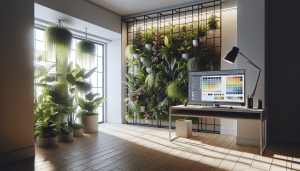
Vertical gardening takes advantage of unused wall space, bringing greenery indoors without sacrificing living area. Smart shelves with built-in grow lights align perfectly with busy lifestyles and limited square footage. Even a simple window herb garden using Wi-Fi sensors or automatic app reminders can add life, fragrance, and freshness to any home. For renters or those without outdoor plots, portable container gardens offer an easy way to move plants as seasons—and schedules—change.
Integrating indoor gardening into daily life can also improve air quality, provide fresh food, and create a calming environment. Smart technology ensures that even those without prior experience can achieve impressive results, supporting everything from culinary experimentation to pet-friendly plant selections (Source: https://extension.umn.edu/how/indoor-gardening). Small changes lead to big results, making indoor gardening a rewarding choice for anyone looking to bring nature closer to home.
Tips for Getting Started with Smart Gardening
Starting a smart garden doesn’t mean overhauling your entire space or investing heavily right away. The key is to assess your available area, light conditions, and lifestyle needs. Begin with a simple app-connected soil sensor or a starter indoor herb kit to monitor progress and get accustomed to automated care. Reading plant labels and researching care routines builds a foundation of knowledge that grows with you. The journey is adaptable, with plenty of room to experiment.
Many public extensions and gardening networks offer valuable resources for beginners. Community education, online tutorials, and free mobile apps can help users master the basics of smart gardening. Some platforms even let you track plant growth, connect with other gardeners for advice, or troubleshoot common problems using photo recognition and AI. Taking small, manageable steps is the most effective way to guarantee long-term gardening satisfaction and success (Source: https://extension.psu.edu/smart-gardening).
As your knowledge and confidence increase, explore options such as smart hydroponics for indoor vegetables, or weather-driven irrigation for outdoor beds. Each new tool adds value, simplifies care, and unlocks greater gardening potential. The world of smart home gardening is growing—embracing it could lead to a more sustainable, enjoyable, and personalized garden than you ever expected.
References
1. University of Minnesota. (n.d.). How Does Your Garden Grow? Retrieved from https://www.takingcharge.csh.umn.edu/how-does-your-garden-grow
2. U.S. Department of Energy. (n.d.). Smart Home Technologies. Retrieved from https://www.energy.gov/energysaver/smart-home-technologies
3. Purdue University Extension. (n.d.). Smart Home Gardens. Retrieved from https://www.extension.purdue.edu/extmedia/HO/HO-260-W.pdf
4. U.S. Environmental Protection Agency. (n.d.). Outdoor Water Use in the United States. Retrieved from https://www.epa.gov/watersense/outdoor-water-use-in-united-states
5. Gardener’s Supply Company. (n.d.). Low Maintenance Garden Ideas. Retrieved from https://www.gardeners.com/how-to/low-maintenance-garden-ideas/8709.html
6. University of Minnesota Extension. (n.d.). Indoor Gardening. Retrieved from https://extension.umn.edu/how/indoor-gardening

 Secrets to Growing Your Small Business Wealth