Secrets of Collagen for Glowing Skin Unveiled
Sofia Marquez September 27, 2025
Curious about collagen and its impact on your skin’s natural radiance? This guide demystifies the role of collagen in beauty routines, shares everyday ways to support its production, and explores lifestyle factors—delivering insights people want to know about maintaining a youthful, glowing complexion.
Exploring Collagen’s Role in Skin Vitality
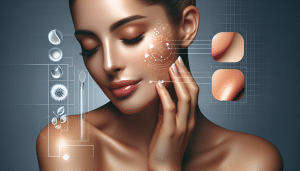
Collagen forms the backbone of vibrant and resilient skin. As a protein, it creates the structure that keeps skin supple. Many notice its significance when fine lines or dullness appear, sparking questions about what supports healthy skin long-term. Collagen’s network under the surface acts much like scaffolding—when it weakens, skin may lose firmness and smoothness. This process occurs naturally over time but can be influenced by both genetics and lifestyle choices. People often seek out ways to make the most of their natural collagen for visible beauty improvements.
Interest in collagen for radiant complexions is soaring—fueled by articles, experts, and online forums. The science agrees: Collagen is a structural powerhouse, helping skin resist creasing and tautness loss. It’s found not only in the skin but in hair, nails, and connective tissues, signaling its importance through the body. Factors such as ultraviolet exposure, environmental stressors, or insufficient skincare can worsen collagen loss, but knowledge brings options. Small daily habits have a surprising impact, creating a foundation for glowing skin that can be sustained with mindful attention.
Spotting the early signs of collagen decline lets many take steps before noticeable aging occurs. Observing thinning skin or subtle lines may prompt individuals to explore lifestyle tweaks or consult research-backed beauty resources. Collagen also influences how quickly skin recovers after sun or stress, and how well it stays hydrated. With increasing awareness, more wellness enthusiasts now seek collagen’s secrets for beauty, aiming to protect it for a longer-lasting glow.
Nutritional Strategies to Support Collagen Naturally
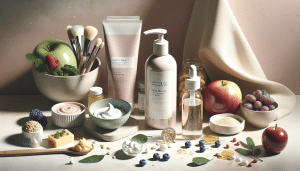
Modern nutrition research highlights the power of food for skin wellness. Vitamin C, amino acids, and minerals such as zinc play direct roles in the body’s collagen synthesis. Leafy greens, citrus fruits, beans, and lean meats are popular choices. Everyday meals offer opportunities to nurture the skin from within—an often overlooked but effective path for beauty seekers. Meals rich in antioxidants can fight stress that depletes collagen, offering a proactive approach far beyond topical creams.
Many find that embracing a colorful, balanced diet is more sustainable than supplements alone. Patterns show that those mindful of whole-food nutrition experience lasting benefits—glowing skin included. Collagen peptides and bone broth have also gained attention, although opinions vary on their efficacy. The real takeaway is that giving the body the building blocks it needs makes a difference. Being intentional about dietary habits can be a rewarding self-care routine and provides the raw materials skin depends on for resilience.
Hydration shouldn’t be underestimated in collagen-supporting diets. Water-rich fruits and plenty of plain water improve the skin’s natural barrier and help maintain flexibility. Limiting processed sugars and deep-fried foods is also beneficial, as they can contribute to collagen breakdown over time. For those seeking to maximize every meal, pairing collagen-boosting foods with mindful cooking methods supports the skin’s inner structure and shows visible effects over time.
Lifestyle Factors That Influence Collagen Health
Sun exposure is known to accelerate collagen loss. Moderation matters—short daily sun sessions are fine, but prolonged unprotected exposure can cause lasting harm. Experts recommend regular use of broad-spectrum sunscreen to defend against this invisible damage. Additionally, stress and lack of sleep upset the body’s repair processes, making consistent rest and relaxation just as essential as a good moisturizer. Together, these choices form the backbone of skin self-care routines with proven effects on collagen preservation.
Smoking is a significant factor that drains collagen resources. Studies show that people who avoid tobacco tend to retain firmer skin for longer. The same principle applies to excessive alcohol consumption, which can dehydrate and inflame skin, setting back natural beauty goals. On the flip side, gentle exercise boosts circulation, helping nourish collagen layers and keeping the skin looking refreshed. These daily choices, while sometimes overlooked, offer vital support at little cost.
Practicing mindful self-care and developing positive lifestyle routines yield visible results. For those navigating a stressful environment, little changes—such as five minutes of deep breathing or stepping outdoors—can lower stress hormones and help skin repair itself. This holistic perspective combines external skincare with smart daily habits, forming a comprehensive toolkit for anyone interested in keeping their collagen strong and their appearance luminous for years ahead.
Skincare Practices to Maximize Collagen Outcomes
Choosing the right skincare can have a measurable impact on skin structure and brightness. Retinoids and peptides are often recommended by dermatologists due to their ability to encourage collagen renewal within the skin. Gentle exfoliation with acids such as glycolic or lactic helps the skin absorb nutrients and enables collagen to do its work unimpeded. Layering products thoughtfully—a gentle cleanser, followed by antioxidants and then moisturizer—offers a simple, effective routine that resonates with beauty experts and everyday enthusiasts alike.
For those feeling adventurous, professional treatments like microneedling or laser therapy may stimulate collagen in deeper skin layers. Such treatments require guidance and should be approached thoughtfully, but they do underline the scientific advancements in beauty tech. At-home devices, such as LED masks, are also making their way into routines, supported by emerging evidence and growing interest. These tools are not miracle cures, but they offer additional ways to support the skin’s natural infrastructure.
Consistency, rather than intensity, is the key to supporting your skin. Rather than racing to try every new product, experts suggest building a reliable regimen and tracking what actually works. It’s also important not to skip SPF, even on cloudy days. When all of these steps are combined, the collective benefit for collagen—and for visible radiance—is not simply a trend but a technique grounded in both science and everyday experience.
Debunking Myths About Collagen and Skin Wellness
Many claims swirl around collagen supplements. While some find improvements, research points to modest effects in most users. It’s misleading to expect overnight changes from powders or drinks alone. Science suggests collagen is best seen as part of a broader strategy, blending nutrition, sun care, and tailored routines. Some also believe only expensive products can help, but affordable, evidence-based choices often outperform hype-heavy alternatives.
Another common belief is that young people don’t need to consider collagen. In reality, prevention is as critical as repair—habits built early often pay dividends years down the line. Men sometimes ignore skin health as well, yet collagen is equally fundamental regardless of gender. Shifting this mindset means more people can benefit from established approaches and avoid costly mistakes in their journey toward glowing skin.
Finally, there’s a myth that genetics control everything, making outside efforts futile. While genetic factors influence collagen levels, lifestyle accounts for a major part of the outcome. Understanding this balance empowers individuals to take control where it matters. With the correct information and realistic expectations, the path to skin vitality can feel achievable and even enjoyable.
Realistic Results: What to Expect From Collagen-Focused Routines
Many start collagen-boosting routines hoping for rapid transformation. However, gradual and steady improvements are most common. Visible enhancements, like smoother texture and greater luminosity, often take several weeks, especially when paired with healthy eating and protective measures. Tracking progress over months rather than days encourages patience and builds confidence in the process.
Not every routine produces the same results. Factors such as age, overall health, and environmental exposure all play a part. Careful observation and open-minded experimentation help people find personalized solutions. For those seeking support, consulting with a dermatologist or medical professional can clarify expectations and recommend evidence-backed strategies suitable for each individual’s skin type and lifestyle.
People who share their journeys often highlight subtle changes: a new glow, fewer rough patches, improved bounce in their skin. These stories reflect real-life experiences, grounded in simple efforts and informed decisions. They underscore that collagen-focused self-care does not require perfection—just commitment, awareness, and a willingness to adjust as needed. In the world of wellness and beauty, these incremental gains can be the most satisfying of all.
References
1. U.S. National Library of Medicine. (n.d.). Collagen: The body’s most abundant protein. Retrieved from https://medlineplus.gov/genetics/understanding/howgeneswork/collagen/
2. Harvard T.H. Chan School of Public Health. (n.d.). The Nutrition Source: Collagen. Retrieved from https://www.hsph.harvard.edu/nutritionsource/collagen/
3. American Academy of Dermatology. (n.d.). Collagen and skin aging. Retrieved from https://www.aad.org/public/everyday-care/skin-care-basics/care/collagen-skin-aging
4. Cleveland Clinic. (n.d.). Collagen and skin health: Benefits, food sources, and more. Retrieved from https://health.clevelandclinic.org/collagen-benefits-foods-sources-and-more
5. British Journal of Dermatology. (2014). Evidence-based review of the effects of nutrition on skin health. Retrieved from https://onlinelibrary.wiley.com/doi/full/10.1111/bjd.13353
6. International Journal of Dermatology. (2019). Collagen supplementation and skin health: A review. Retrieved from https://onlinelibrary.wiley.com/doi/10.1111/ijd.14556

 What You Might Discover on Eco-Friendly Luxury Journeys