Unlocking the Power of Retinol for Radiant Skin
Sofia Marquez September 26, 2025
Curious how retinol can help rejuvenate skin and minimize signs of aging? Explore expert-backed insights into its benefits, usage tips, common myths, and safe skincare routines. This comprehensive guide unpacks what makes retinol a coveted ingredient in beauty and wellness circles.
Understanding Retinol and Its Role in Skincare
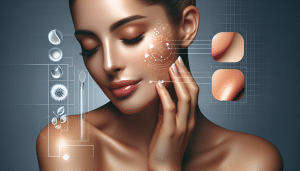
Retinol has become a buzzword among skincare enthusiasts. This vitamin A derivative is celebrated for its transformative effects on skin health. With regular use, retinol supports collagen production and smooths fine lines. Many people find the ingredient fascinating because of its scientifically documented ability to accelerate skin cell turnover. By encouraging new cell growth, it reduces hyperpigmentation and improves skin texture, making it an essential element for those seeking brighter, fresher complexions.
Despite its popularity, retinol remains a misunderstood molecule. Some consider it too harsh, while others give it credit for dramatic results. Understanding how retinol operates at a cellular level helps demystify its impact. It works as a gentle exfoliant, helping to unclog pores and manage blemishes. Unlike physical scrubs that can cause irritation, retinol’s chemically controlled action delivers results without roughness. For many, this balance is crucial to achieving a youthful glow without stepping into invasive procedures.
One remarkable aspect of retinol is how it adapts to different skin concerns. Individuals with oily skin appreciate its ability to diminish the look of pores. Those with dry or mature skin use retinol to enhance firmness and reduce age spots. Dermatologists often recommend starting with a low concentration before gradually increasing dosage. This approach can minimize potential irritation while maximizing benefits, which is particularly important for people new to retinoid-based routines.
Benefits of Retinol for Different Skin Types
Retinol offers many advantages for varying skin conditions, from acne-prone to aging complexions. Its efficacy in refining skin tone appeals to a wide audience. People with oily or combination skin often notice a reduction in shiny spots and fewer breakouts. This is because retinol helps regulate oil production and decongests pores, targeting issues that make skin appear uneven. These benefits are not limited to one age group, which broadens retinol’s popularity among both younger and older individuals seeking effective skincare solutions.
When it comes to sensitive skin, retinol must be approached with care. Those with delicate skin barriers are advised to select gentler formulas or buffered versions, often available as over-the-counter creams. Consulting resources from reputable skincare organizations can help users make informed decisions about concentration levels and best practices. For dry skin, combining retinol with a nourishing moisturizer may help maintain hydration without sacrificing the desired anti-aging effects. This adjustability is part of what makes retinol an enduring choice for diverse populations.
Blemish-prone skin can also benefit from strategic retinol use. In addition to managing excess oil, retinol’s exfoliating properties may contribute to clearer skin. It facilitates removal of dead cells, preventing pore blockages and reducing the likelihood of recurring blemishes. Unlike harsh acne treatments, retinol is celebrated for its ability to improve skin clarity while promoting a smooth and calm complexion over time, without causing major dryness or flakiness when incorporated wisely.
How to Incorporate Retinol Safely into Your Routine
Proper introduction of retinol to your regimen is key for optimal results. Starting with a gentle, low-concentration formula just a few times a week works for most beginners. Experts often stress the importance of nighttime application, as retinol can increase the skin’s sensitivity to sunlight. Complementing retinol with a broad-spectrum SPF during the day adds another layer of protection. Learning the right sequence of application—cleanser, moisturizer, then retinol—can make all the difference.
Hydration plays an essential role while using retinol. Adding hyaluronic acid serums or barrier-repair creams can counteract common side effects such as dryness or peeling. If irritation occurs, spacing out applications or selecting a milder product often eases discomfort. Some evidence suggests that alternating retinol with ceramide-rich products boosts overall skin health and helps new users adapt more smoothly. Patience is vital, as visible improvements may not appear for several weeks.
Certain habits may amplify retinol’s benefits or minimize its risks. Avoid combining retinol with strong exfoliants or acidic ingredients like alpha hydroxy acids in the same routine. Give your skin time to acclimate by introducing one new product at a time. This incremental approach, coupled with observation for any adverse changes, empowers users to build a safer and more sustainable retinol regimen for long-term radiance.
Common Myths and Misconceptions About Retinol
Retinol generates plenty of myths, the most common being that it always causes irritation or is unsuitable for sensitive skin. While some individuals do experience temporary redness or dryness, research shows that gradual acclimation and supportive skincare helps most users avoid severe side effects. The myth that all sun exposure must be entirely avoided is not strictly true—adequate sun protection and responsible use make retinol compatible with daily life in most climates.
Some believe retinol thins the skin, but scientific evidence actually points to the opposite. Retinol stimulates collagen production, helping to thicken and fortify the dermal layer. This counteracts natural thinning that can occur with aging, leading to a stronger and more resilient skin barrier. Others mistakenly assume more is better, yet using highly concentrated products too quickly often results in unnecessary discomfort. A measured, educated progression produces the best outcomes.
The idea that retinol is unsafe for everyone is another misconception. While retinol is not recommended during pregnancy or breastfeeding unless approved by a healthcare provider, for the majority it remains a well-researched, effective ingredient. Reviewing guidelines from authoritative organizations assists users in separating fact from fiction so they can approach this celebrated skincare compound with confidence.
Pairing Retinol with Other Effective Skincare Ingredients
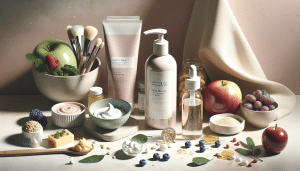
Integrating retinol with complementary ingredients can elevate results and support skin resilience. Niacinamide, for example, is recognized for its soothing and anti-inflammatory properties when used alongside retinol. By reducing redness and promoting barrier repair, niacinamide offers a supportive companion to retinol’s transformative actions. Moisturizing components like squalane or ceramides amplify hydration and minimize the risk of flaking. Creatively pairing these compounds enables a more balanced skincare experience.
Antioxidants, such as vitamin C and E, are often incorporated into routines with retinol for enhanced brightening and environmental protection. These ingredients help safeguard cells from oxidative stress while supporting retinol’s smoothing effects. However, layering actives requires caution. Applying vitamin C in the morning and retinol at night helps avoid irritation, providing robust yet gentle results. Strategic scheduling supports both skin health and comfort throughout the process.
For those hesitant to try retinol, starting with milder forms like retinyl palmitate or considering professional recommendations opens up options. Listening to both dermatologist advice and reputable research ensures safer integration of active ingredients. When thoughtfully combined, targeted skincare routines may advance overall clarity, elasticity, and radiance, steering clear of overwhelming the skin.
Long-Term Effects and Considerations with Retinol Use
Consistent, long-term use of retinol often brings cumulative enhancement of skin quality. Studies indicate reductions in wrinkles, discoloration, and overall dullness with ongoing application. Appreciating these changes encourages patience and adherence, knowing that gradual transformation leads to more natural-looking beauty. As a research-backed powerhouse, retinol continues to attract both newcomers and dedicated users focused on wellness outcomes.
Age-related collagen decline is a concern for many seeking youthful appearances. Retinol offers a non-invasive pathway to preserving firmness and skin density. Over time, individuals experience more elastic, vibrant skin and often find foundation makeup glides on more smoothly. Safe practices—sticking to recommended concentrations and pairing with sun protection—are key habits that make retinol a staple in many daily routines.
Emotional wellness results from feeling good in one’s skin. Retinol users frequently note improved self-confidence prompted by visible improvements. As expectations align with scientific findings and realistic timelines, individuals discover a balanced approach to modern wellness and beauty. For many, retinol’s benefits underscore the synergy between self-care, research, and holistic beauty practices.
References
1. American Academy of Dermatology Association. (n.d.). Retinoids for acne: Are they effective? Retrieved from https://www.aad.org/public/diseases/acne/retinoids
2. Mayo Clinic. (n.d.). Retinol: Uses and facts. Retrieved from https://www.mayoclinic.org/drugs-supplements/retinol-topical-route/description
3. Harvard Health Publishing. (n.d.). Healthy skin: Strategies for dealing with acne and aging. Retrieved from https://www.health.harvard.edu/staying-healthy/healthy-skin
4. Cleveland Clinic. (n.d.). Retinol: Benefits, use, and side effects. Retrieved from https://my.clevelandclinic.org/health/drugs/24159-retinol
5. National Library of Medicine. (n.d.). Retinol use in skin aging. Retrieved from https://www.ncbi.nlm.nih.gov/pmc/articles/PMC2699641/
6. Skin Cancer Foundation. (n.d.). Daytime skin care when using retinol. Retrieved from https://www.skincancer.org/blog/daytime-skin-care-retinol/

 Why Minimalist Living Appeals to So Many People