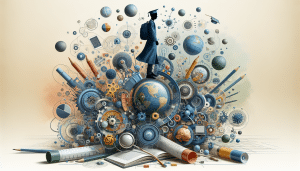
Unlocking Your Potential with Lifelong Learning
Ethan Delgado September 26, 2025
Discover how lifelong learning can transform your personal and professional journey. This guide delves into practical ways to access skill-building resources, online courses, and community-driven education that empower individuals to thrive in a rapidly changing world.
Embracing Lifelong Learning in a Changing Society
Lifelong learning goes beyond formal education and continues throughout every stage of life. In a fast-moving society, there is growing recognition that the traditional boundaries of classroom-based education are evolving. With technology reshaping the workforce and cultural expectations shifting, building new skills over time is not just helpful—it’s essential for adaptability. Individuals who engage in ongoing learning are better equipped to navigate career transitions, keep up with technological advancements, and participate more fully in civic and cultural life. The process is just as much about personal growth and curiosity as it is about preparing for future opportunities.
The rise of lifelong learning has been fueled by the flexibility and breadth of online education. Today, it’s easier than ever to explore new fields, pick up practical skills, or revisit interests outside a traditional classroom. Two major trends driving this movement are upskilling and reskilling, which address both the need to master current job requirements and to switch professional directions entirely. For many, accessing digital literacy resources or massive open online courses (MOOCs) opens doors once thought closed by time, finances, or location constraints. Education is no longer seen as an endpoint, but as a lifelong journey for anyone motivated to grow.
Importantly, lifelong learning is not a solo pursuit. Community colleges, libraries, and nonprofit initiatives increasingly provide resources that support learners at every stage, regardless of background. Peer interactions and collaborative projects enhance engagement, deepen understanding, and expand networks. Employers and civic leaders are also recognizing the lasting impact of workforce development programs, often subsidizing training or offering flexible work hours for study. This ecosystem creates an environment where everyone has the opportunity to unlock their potential—reaffirming learning as an ongoing, shared endeavor that strengthens both individuals and society.
Building Skills Through Online and Community Platforms
The explosion of online learning platforms has made it possible for millions to acquire new competencies and credentials from the comfort of their homes. Courses offered by organizations like OpenLearn, Coursera, and edX span topics from business analytics to creative arts. These flexible models accommodate full-time professionals, caregivers, and those seeking second careers. As academic and professional certification becomes increasingly digital, many people find value in micro-credentials—short, focused programs that deliver targeted expertise without the time or financial burden of a traditional degree. These pathways help demystify learning and make it accessible, no matter one’s starting point.
Local resources play an equally vital role. Libraries and community centers foster lifelong learning with workshops, discussion groups, and technology lending programs. In some areas, public libraries have evolved into full-scale resource hubs, offering everything from coding bootcamps to language classes. Community education has the unique advantage of connecting people with neighbors who share similar aspirations. This sense of belonging supports sustained engagement and encourages collective growth. Personal stories abound of individuals leveraging free resources to change careers, start businesses, or simply pursue a hobby with renewed passion and purpose.
The value of community-driven education extends to social and emotional well-being. Group learning environments boost motivation and accountability, helping learners overcome common barriers such as isolation or self-doubt. Emerging research shows that supportive peer networks and knowledgeable mentors are key factors in lifelong educational success. For anyone exploring their next learning step, tapping into these local or virtual communities provides essential encouragement and guidance. Whether a person is pursuing academic advancement, career progression, or creative enrichment, online and community platforms offer practical, inclusive, and sustainable options.
Online Degrees, MOOCs, and Credentialing in the Digital Age
With the proliferation of digital learning resources, the landscape of higher education is rapidly transforming. Accredited online degrees have become a respected path for those balancing work, family, and studies—all from their own homes. Many accredited universities, including public and nonprofit institutions, now offer entire degree programs online. These innovations expand access to recognized credentials for populations who might otherwise have been left out. Even MOOCs—online courses available to anyone, often free—are increasingly aligned with academic and professional standards. Certificates of completion and digital badges can supplement resumes, demonstrating commitment to skill-building and adaptability in shifting industries.
One of the defining benefits of online credentialing is flexibility. Learners are able to structure studies around work or family obligations, learning at their own pace and revisiting content as needed. The growing acceptance of online degrees within the workforce is supported by robust standards of quality and assessment. Increasingly, major employers look for demonstrable skills in addition to traditional college credentials. For some sectors—such as information technology, healthcare, and education—being able to present a mix of degrees, certificates, and micro-credentials is now a mark of initiative and ongoing professional development.
Despite their advantages, MOOCs and online degrees raise important questions about digital equity and access. Reliable internet connections and basic digital literacy skills remain barriers in some communities. Initiatives from government agencies, major nonprofits, and leading universities are addressing these concerns through scholarship programs and technology grants. Learners are advised to look for accredited programs, transparent outcomes, and ample support services when choosing digital pathways. By making informed choices and leveraging reputable providers, anyone can participate in the digital education revolution—and maximize the value of new credentials on their personal journey.
Fostering Equity and Access in Lifelong Learning
Equity is a cornerstone of sustainable lifelong learning. Traditionally, marginalized groups faced systemic barriers to further education, from financial constraints to lack of social support. Recently, targeted initiatives from government bodies and nonprofit organizations have emerged to close these gaps. These include publicly funded grant programs, low- or no-cost courses, and community mentorship projects. By addressing the unique needs of diverse learners—including first-generation college students, individuals returning to school after long absences, and adults juggling multiple life responsibilities—these efforts democratize access to knowledge and skill acquisition.
Accessible lifelong learning also depends on responsive infrastructure. Universal broadband, adaptive learning technologies, and inclusive curriculum design are transformative innovations that help reach all communities. Strong partnerships among educational institutions, employers, and social agencies are necessary to remove logistical and cultural obstacles. For example, some colleges offer bridge programs tailored for older adults re-entering academic environments, while others design degree completion tracks for veterans. In many places, local nonprofits collaborate with businesses to provide workforce skills bootcamps or mentoring circles specifically for underrepresented groups. Such collaborative networks underscore the societal importance of investing in education for everyone, at any age.
Cultural awareness and support systems are crucial. Fostering equity isn’t just about increasing availability—it’s about ensuring that guidance and encouragement are present for everyone navigating change. Success stories often feature learners who overcame setbacks with help from community advisors, social workers, or peer groups. Supplemental services such as childcare, transportation vouchers, or disability accommodations can make all the difference in realizing a learner’s goals. As these holistic models expand, they offer more people a true sense of belonging, allowing talent and ambition to flourish regardless of background or circumstance.
Personal Growth and Community Impact of Lifelong Learning
Lifelong learning is transformative on both personal and societal levels. For individuals, pursuing ongoing education can spark creativity, increase confidence, and foster adaptability. Many learners report a stronger sense of purpose and connection as they embrace new challenges. Skill-building advances professional opportunity and personal achievement, but it also builds the resilience necessary to weather uncertainty and change. Whether learning a new language, mastering digital tools, or broadening cultural knowledge, the process encourages curiosity—and curiosity opens unexpected doors.
The ripple effects stretch even further. Communities with robust educational ecosystems see strengthened civic participation, higher economic stability, and more vibrant cultural life. Residents who participate in community-based learning often engage more in local initiatives, volunteer programs, or leadership opportunities. By sharing knowledge, individuals uplift those around them, creating positive feedback loops that benefit everyone. Academic research consistently links educational engagement to overall well-being, both individually and collectively. Lifelong learning is foundational to healthy communities and thriving societies.
Narratives of lifelong learners illustrate these broader impacts. A parent taking night classes inspires children to value learning. Seniors returning to college set examples for friends and families. Community-run workshops not only teach practical skills but also bring together diverse groups of neighbors. These connections reduce isolation, encourage collaboration, and enhance shared prosperity. By making education integral to daily life, lifelong learning becomes an engine for sustainable change—empowering both individuals and communities to unlock their full potential together.
Strategies to Start or Sustain Your Lifelong Learning Journey
Beginning or resuming a lifelong learning path need not be intimidating. Start with clear, achievable goals—such as learning a basic digital tool, exploring a new field of interest, or reskilling for career advancement. Harnessing publicly available resources can remove many common barriers: open educational courses, digital libraries, and free webinars provide low-risk opportunities to engage. Reflect on personal motivations, as intrinsic interest often drives sustained effort more than external rewards. Setting manageable milestones helps maintain momentum, making long-term goals feel attainable.
Time management is paramount, as is cultivating a support network. Family encouragement, peer study groups, or mentorship circles increase accountability and enjoyment. For those balancing learning with other commitments, integrating short study sessions—such as listening to educational podcasts during commutes—can make a significant difference. Seeking feedback, celebrating small victories, and reaching out for help when stuck foster persistence. Modern platforms often include social features that encourage mutual support, Q&A sessions, or collaborative projects to deepen engagement and motivation.
Finally, staying open to unexpected discoveries can be the most rewarding aspect of lifelong learning. Interests may shift, or new passions emerge. Those who view education as a lifelong adventure see learning as not just preparation for the future, but as a way to fully engage with the present. For many, the best outcome is not a degree or certificate, but the habit of continuous inquiry—putting curiosity, adaptability, and purpose at the heart of both personal growth and community contribution.
References
1. World Economic Forum. (n.d.). Lifelong learning: Why it matters and how to make it a priority. Retrieved from https://www.weforum.org/agenda/2022/01/lifelong-learning-skills-education/
2. National Center for Education Statistics. (n.d.). Adult Learning Activities. Retrieved from https://nces.ed.gov/pubs/web/97576e.asp
3. UNESCO Institute for Lifelong Learning. (n.d.). Why lifelong learning is the key to development. Retrieved from https://uil.unesco.org/lifelong-learning/why-lifelong-learning-key-development
4. OpenLearn. (n.d.). Free courses. Retrieved from https://www.open.edu/openlearn/free-courses
5. Coursera. (n.d.). Browse free online courses. Retrieved from https://www.coursera.org/courses?query=free
6. OECD. (2021). Adult Learning and COVID-19: How much informal and non-formal learning are individuals doing? Retrieved from https://www.oecd.org/education/adult-learning-and-covid-19.htm

 You Could Unlock New Income Streams From Passive Investing