Fitness Practices That Fit Any Schedule
Sofia Marquez September 26, 2025
In today’s fast-paced world, finding time to fit fitness into a busy schedule is one of the most common obstacles people face. Whether you’re juggling work, family, or personal commitments, it can often feel like there’s no time to hit the gym or engage in long workouts. However, staying active doesn’t require spending hours at a gym. In fact, numerous fitness practices have emerged to cater to our increasingly busy lives, ensuring that you can get a great workout no matter how packed your schedule is.
From micro-workouts to virtual fitness sessions, let’s explore some of the most practical and flexible fitness practices that fit into any schedule.
1. Micro-Workouts: Small but Powerful
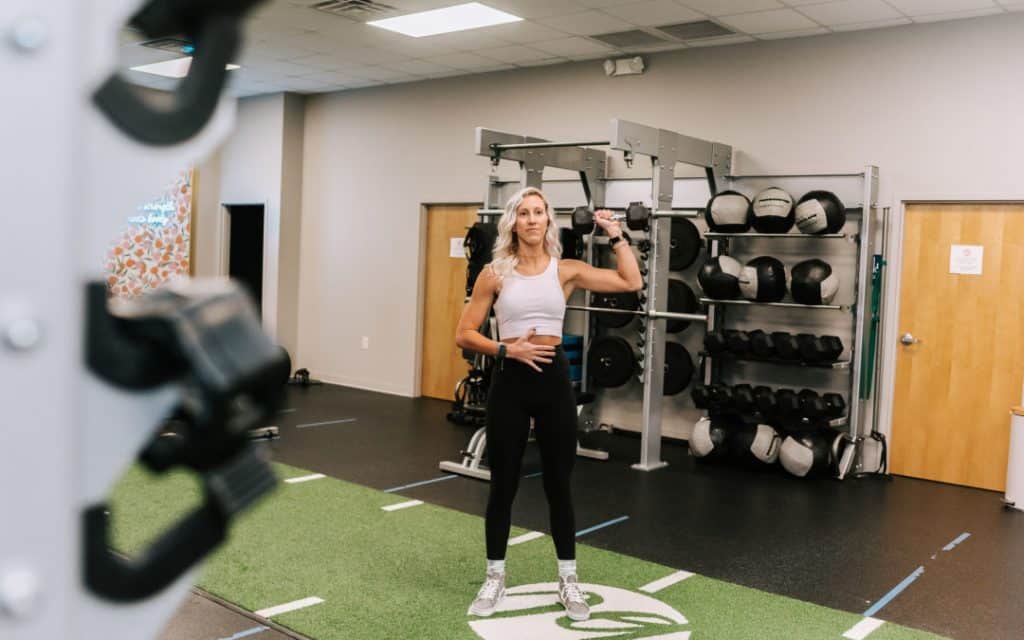
One of the most effective fitness practices that suit busy schedules is the concept of micro-workouts. These are short, high-intensity workouts designed to provide maximum benefits in as little as 10-15 minutes a day. Micro-workouts focus on compound movements that target multiple muscle groups at once, providing an efficient workout without taking up much time.
Micro-workouts can include exercises like bodyweight squats, push-ups, burpees, and jumping jacks. You don’t need any equipment—just your body and the space around you. According to a study published in the Journal of Exercise Science and Fitness, high-intensity interval training (HIIT), often used in micro-workouts, improves cardiovascular health, burns fat, and enhances muscle tone in a short time frame, making it an ideal solution for people with tight schedules (Gibala, 2017).
You can easily incorporate these workouts into your daily routine. You could do a set in the morning before work, squeeze in another during your lunch break, and a final session after dinner. It’s all about consistency. By dedicating just a few minutes a day, you can make significant strides toward your fitness goals.
2. Virtual Fitness Classes: Exercise Anytime, Anywhere
Virtual fitness programs have grown exponentially, especially with the rise of remote work. These programs allow you to access a variety of classes from the comfort of your own home, whether you’re looking for yoga, pilates, strength training, or even dance workouts. You can join live sessions or follow on-demand recordings based on your schedule, making it easy to fit exercise into your day, no matter how unpredictable it might be.
Many popular fitness apps and platforms, such as Peloton, Daily Burn, and Beachbody on Demand, offer flexible workout schedules. The advantage is that these platforms often provide options for different fitness levels and durations, allowing you to tailor each session to your individual needs. Whether you have just 20 minutes or an hour to spare, there’s a virtual class for you.
Research has shown that exercising at home can be just as effective as going to the gym if done correctly. A study published in Frontiers in Psychology found that individuals who engage in regular home-based workouts report improvements in physical fitness, mental health, and overall well-being (Zhang et al., 2020).
So, even if you’re working from home, traveling for business, or simply prefer not to leave the house, virtual fitness classes can be a game-changer in making exercise part of your routine.
3. Walking Meetings: A Healthier Alternative to Sitting
One of the most straightforward fitness practices for those with busy work schedules is to make walking a regular part of your daily tasks. Walking offers a low-impact exercise that you can do anywhere and provides numerous health benefits, such as improving heart health and boosting mental clarity and focus.
One effective way to combine work and fitness is through walking meetings. Instead of sitting in a conference room or having a virtual meeting at your desk, try taking the conversation outside. Many companies have adopted this practice, recognizing that it helps employees stay energized, engaged, and productive.
Walking meetings also allow you to meet your daily step goal without setting aside extra time for exercise. According to a study in the American Journal of Preventive Medicine, walking just 30 minutes a day can reduce the risk of chronic diseases, such as heart disease, diabetes, and obesity (Hamer & Chida, 2008). It’s a simple and easy solution for those with desk jobs or busy schedules, making physical activity a natural part of your workday.
4. Yoga and Stretching: Mind and Body Connection
If your schedule is consistently packed, yoga and stretching can provide a calming and effective workout in as little as 15 minutes. Yoga not only increases flexibility and strength but also helps with stress management, mindfulness, and relaxation. You can practice yoga at home or even in the office, and the sessions can be tailored to your available time and space.
Online platforms like Yoga With Adriene offer free, quick sessions that anyone can follow. These sessions are designed for all levels, from beginners to advanced practitioners. Incorporating yoga into your daily routine has been shown to improve posture, enhance mental clarity, and reduce anxiety—all important factors when navigating a hectic lifestyle.
Additionally, stretching is often an underrated part of fitness that can be done throughout the day. Taking five-minute breaks to stretch can help reduce muscle tension, improve circulation, and prevent injuries, especially if you’re sitting at a desk for long hours. You can even set a timer to remind yourself to stretch or practice yoga whenever you have a free moment.
5. Use Technology to Track and Stay Motivated
Tracking your workouts and progress can be a great way to stay motivated, especially when your time is limited. Many fitness apps and wearables, such as Fitbit, Apple Watch, and MyFitnessPal, allow you to track your physical activity, monitor calories burned, and set goals to keep you on track.
Fitness trackers are particularly useful for those who have irregular schedules, as they provide daily reminders to move, walk, or complete a specific workout goal. These apps also allow you to join challenges, connect with friends, or track your achievements, making fitness feel like a fun, rewarding experience rather than a chore.
Conclusion: Small Steps, Big Results
Fitness practices that fit any schedule are more accessible than ever. Whether you choose to do micro-workouts, attend virtual fitness classes, or simply incorporate walking into your workday, the key is consistency. You don’t need hours at the gym to stay fit—short, flexible routines can offer great results, and modern technology makes it easier than ever to stay on track.
Adapting your workout to fit your schedule not only helps maintain physical health but also improves your mental well-being. So, start small, and make fitness a part of your daily routine. With the right mindset and tools, you can achieve your health goals, no matter how busy your day might be.
References
- Gibala, M. J. (2017). High-intensity interval training: A time-efficient strategy for health promotion? Available at: https://www.sciencedirect.com (Accessed: 26 September 2025)
- Zhang, X., Li, M., & Chen, G. (2020). Home-based exercise interventions for improving physical fitness and mental well-being: A systematic review. Available at: https://www.frontiersin.org (Accessed: 26 September 2025)
- Hamer, M., & Chida, Y. (2008). Walking and primary prevention: A meta-analysis of the effect of walking on all-cause mortality. Available at: https://www.ajpmonline.org (Accessed: 26 September 2025)

 Travel Destinations That Inspire Personal Growth