How AI Is Transforming Marketing Strategies
Amira Solberg September 26, 2025
In the fast-evolving world of digital marketing, Artificial Intelligence (AI) has emerged as a game-changer. AI technologies have revolutionized how companies interact with customers, optimize campaigns, and analyze vast amounts of data. From personalized experiences to automating customer service, AI’s impact on marketing strategies is profound. In this article, we’ll explore how AI is transforming marketing, with a particular focus on the role of AI-powered tools in personalization.
The Role of AI in Modern Marketing
Artificial Intelligence is no longer a futuristic concept. In fact, it has become an integral part of marketing strategies for companies of all sizes. AI allows businesses to automate tasks, gain deep insights from data, and most importantly, create highly personalized experiences for customers.
In its simplest form, AI refers to machine learning (ML) algorithms that enable systems to analyze data, recognize patterns, and make predictions without human intervention. In marketing, AI helps businesses understand consumer behavior, predict future trends, and deliver content tailored to individual needs.
Personalization: The Heart of AI Marketing
One of the most significant ways AI is transforming marketing is through personalization. Personalized marketing isn’t a new concept, but AI has taken it to unprecedented levels. AI allows marketers to move from broad, one-size-fits-all campaigns to highly targeted efforts tailored to each consumer’s unique preferences.
AI-powered tools enable marketers to analyze user data, including browsing habits, purchase history, and social media activity, to create customized experiences. By doing so, businesses can ensure that the right content reaches the right person at the right time.
For example, Netflix is a prime example of how AI can create a personalized experience. The streaming platform uses AI to analyze user behavior and make recommendations based on what users have previously watched, as well as what similar users enjoy. This level of personalization enhances the user experience and keeps customers engaged.
Automating Customer Service with AI
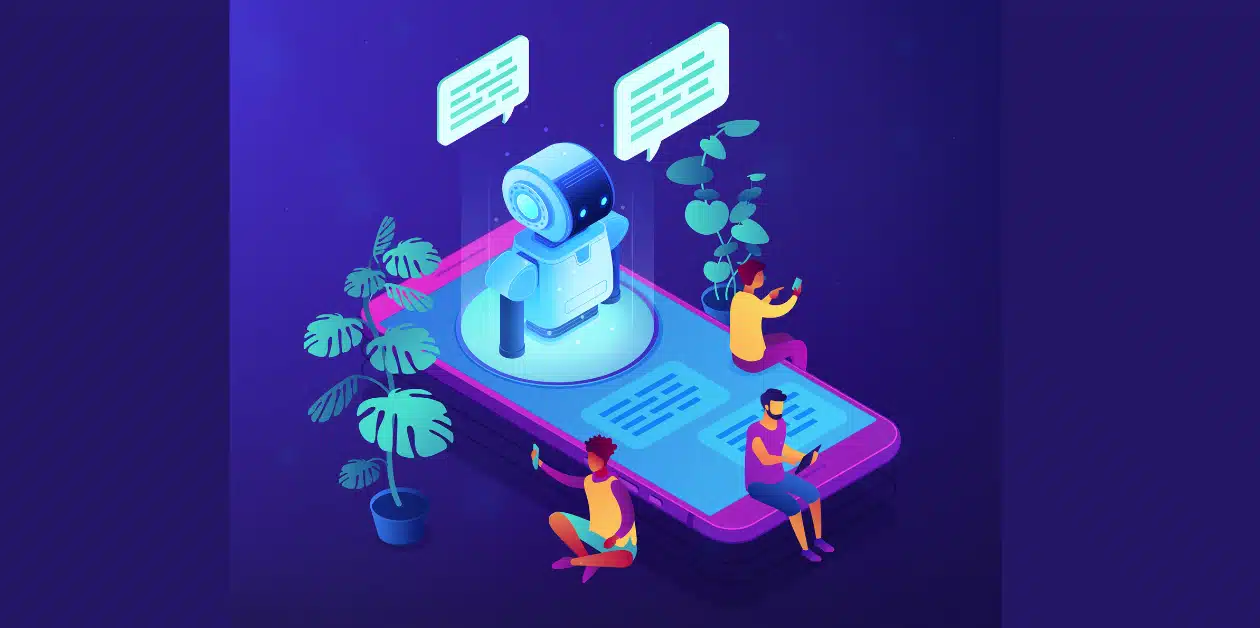
AI is also changing the way businesses handle customer service. Traditionally, customer service required significant human intervention, which often led to long wait times and inconsistent responses. AI has transformed this process through the use of chatbots and virtual assistants.
Chatbots powered by AI can respond to customer inquiries in real-time, offering quick and accurate answers to common questions. These bots can handle multiple conversations simultaneously, offering 24/7 support and improving the customer experience. AI’s ability to understand natural language through Natural Language Processing (NLP) ensures that customer queries are answered in a human-like manner, creating a seamless interaction.
Furthermore, AI chatbots are capable of learning from previous interactions, allowing them to become more effective over time. The result is an enhanced customer experience that is both efficient and personalized, making it easier for businesses to scale their customer support without significantly increasing costs.
Data-Driven Decision Making with AI
Another key transformation AI brings to marketing is its ability to process and analyze massive amounts of data. Traditional data analysis methods often rely on humans to sort through and interpret data, which can be time-consuming and prone to error. AI-powered tools can analyze vast amounts of data at lightning speed, allowing businesses to make better, data-driven decisions.
Machine learning algorithms help businesses understand customer behavior in real-time, enabling marketers to make proactive decisions. For example, AI can predict which customers are most likely to make a purchase or identify which marketing channels are most effective for reaching a target audience. These insights help businesses optimize their marketing strategies for maximum return on investment (ROI).
In addition to improving decision-making, AI also aids in optimizing content marketing strategies. By analyzing user engagement and content performance, AI can recommend adjustments to campaigns to improve results. It can even create content itself, generating articles, social media posts, and emails that are tailored to specific audiences.
AI in Predictive Analytics
Predictive analytics is another area where AI is making a major impact on marketing. AI tools can analyze historical data to predict future trends, helping businesses plan for upcoming challenges and opportunities. By forecasting customer behavior, AI allows marketers to develop strategies that can target future needs rather than just current desires.
For example, AI can predict when a customer is likely to make a purchase or when they might be at risk of churning. With this information, businesses can take proactive steps, such as sending personalized offers or providing special discounts to retain customers. Predictive analytics powered by AI helps marketers make more informed decisions, leading to better outcomes.
AI-Driven Advertising
Advertising is one area where AI is particularly effective. AI algorithms can optimize ad campaigns in real-time, adjusting bids, targeting options, and creative assets based on user interactions. This level of automation and optimization ensures that businesses get the most out of their advertising budget.
AI-powered tools like Google Ads and Facebook Ads use machine learning to enhance targeting and ad placement. These platforms analyze user data and adjust campaigns to ensure that ads are shown to the most relevant audience. By automating these processes, AI reduces the need for manual intervention and improves the effectiveness of advertising efforts.
Moreover, AI can predict which types of ads will resonate best with specific audiences, allowing marketers to tailor their campaigns to the preferences and behaviors of individual users.
Challenges and Ethical Considerations
Despite its many benefits, the use of AI in marketing raises some challenges and ethical concerns. The most pressing issue is data privacy. With AI analyzing vast amounts of personal data, businesses must ensure they are complying with privacy regulations, such as the General Data Protection Regulation (GDPR) in Europe.
Consumers are also becoming more aware of how their data is being used, and businesses must be transparent about their data collection practices. Marketers must strike a balance between personalization and privacy to build trust with their audience.
Another challenge is the potential for AI to perpetuate biases in marketing strategies. If AI systems are trained on biased data, they may produce biased outcomes, such as targeting certain demographics more than others. It’s essential for businesses to continually monitor and refine their AI algorithms to ensure they are ethical and unbiased.
Conclusion: The Future of AI in Marketing
AI is undoubtedly transforming marketing strategies, from personalization and automation to data analysis and predictive analytics. As AI technologies continue to advance, businesses will find even more ways to leverage AI to improve their marketing efforts. The ability to offer personalized experiences, optimize campaigns, and make data-driven decisions will remain at the core of AI’s role in marketing.
However, as with any technological advancement, businesses must approach AI with caution, ensuring that ethical considerations and data privacy are prioritized. With the right approach, AI has the potential to reshape the marketing landscape, driving innovation and improving customer experiences.
References
- Chaffey, D. (2020) Artificial Intelligence in Marketing: A Review of Current Applications. Available at: https://www.smartcirclemedia.com (Accessed: 26 September 2025)
- Jain, S. (2021) AI-Powered Personalization in Marketing. Available at: https://www.journaldigitalmarketing.com (Accessed: 26 September 2025)
- Patel, N. (2022) AI and Machine Learning in Marketing: Understanding Trends and Insights. Available at: https://www.marketingtechblog.com (Accessed: 26 September 2025)

 Interior Organization Tips That Reduce Stress