You Won’t Believe These Indoor Plants Thrive on Neglect
Henry Caldwell September 26, 2025
Looking to add greenery without the hassle? Discover indoor plants that actually flourish with minimal care. This guide covers unexpected options for stress-free plant care, how to spot resilient varieties, and tricks for boosting your home’s look with easygoing greenery.
Why Low-Maintenance Plants Are Popular Indoor Choices
Many seek beautiful indoor plants but worry about watering schedules or special soil. For those juggling work, family, and hobbies, low-maintenance greenery changes the game. Resilient houseplants fit seamlessly into busy routines. They provide color and air-purifying benefits, yet don’t create stress over constant attention. These forgiving species can survive missed waterings, variable light, and even the occasional draft. Today’s interest in minimal-effort decor options makes these plants a top pick for all kinds of living spaces. Even novices can enjoy vibrant leaves and healthier air, with surprisingly little investment.
Air quality concerns are another reason people turn to robust, easy indoor houseplants. According to a widely referenced NASA study, certain species filter toxins from the air, making indoor areas feel fresher and contributing to well-being (Source: https://ntrs.nasa.gov/citations/19930073077). The peace of mind from knowing your space is a little healthier—without demanding attention daily—adds another reason for the growing popularity of low-maintenance plant choices.
Finally, aesthetic flexibility drives many people to choose plants that thrive on neglect. These species work in different light conditions, making them ideal for windowless offices, shaded corners, or sun-soaked rooms. Their adaptability makes them a smart investment for renters, travelers, or anyone who simply prefers their home to feel lively with minimal intervention.
Standout Species That Want Less, Not More
Snake plant, also known as Sansevieria, epitomizes resilience. This striking upright plant tolerates low light, irregular watering, and fluctuating temperatures (Source: https://extension.psu.edu/snake-plant). Its stiff leaves filter air, boost oxygen, and rarely attract pests. The secret to its durability lies in thick leaves that store moisture, allowing weeks between drinks. If left alone, it still grows, making it perfect for beginners or frequent travelers.
ZZ plant, officially Zamioculcas zamiifolia, thrives with remarkable neglect. Its glossy leaves keep their shine in low light or drought. ZZ prefers to dry out completely between waterings, a quality that makes overwatering mistakes less likely. Even those who forget a plant is in the room will find ZZ bouncing back, minimal yellowing and all. It’s a safe choice for modern apartments or offices without much natural light.
Pothos, sometimes called Devil’s Ivy, is another crowd favorite. This trailing plant adapts to nearly any indoor spot—windowsill or bookshelf, high or low light. Its variegated leaves remain vibrant with little fertilization, and trimming encourages bushier growth. Pothos propagates easily in water or soil, meaning one neglected plant can soon supply multiple rooms. It excels for anyone seeking simple propagation and attractive green vines with little effort.
How Indoor Plants Benefit More Than Just Decor
Many people initially choose low-maintenance houseplants for the visual appeal. Yet the benefits go far beyond that. Studies point to indoor plants supporting mental clarity and reducing stress levels, even when the plants don’t require daily effort (Source: https://www.ncbi.nlm.nih.gov/pmc/articles/PMC4419447/). The act of seeing greenery and tending to plants—even in small ways—can produce a calming effect.
Additionally, several neglected indoor plants are natural air purifiers. Snake plant, spider plant, and peace lily all appear in lists of species that may remove certain indoor toxins, such as formaldehyde and benzene. While the effect is subtle, it complements other ventilation and cleaning efforts. Including these robust houseplants is one ingredient in a holistic approach to home wellness and dust reduction.
The presence of hardy plants may also increase productivity. Research from universities and psychology foundations shows that office spaces dotted with greenery tend to foster more creativity and higher concentration. This effect doesn’t require a full home garden. Even one or two forgiving houseplants can make a noticeable difference, enhancing mood and overall satisfaction with a home or workspace.
Essential Tips for Caring with Less Effort
Proper pot placement is vital for plant longevity, particularly with low-maintenance indoor varieties. Most thrive in indirect light—too much sun, and leaves may scorch; too little, and growth slows. Consistency is more important than intensity. Place snake plant or pothos near a north-facing window, or in an office with plenty of ambient light, for steady growth.
Watering can be a common pitfall. Overwatering is far more harmful to these species than occasional neglect. The golden rule: check the soil with a finger before adding water. If several inches feel dry, then it’s time to water. Use containers with drainage holes to prevent roots from sitting in water, and select well-draining soil for each specific plant (Source: https://hgic.clemson.edu/factsheet/houseplant-care/).
No plant is truly maintenance-free. But these durable plants only need occasional fertilizing, minimal pruning, and infrequent repotting. Wipe leaves occasionally with a damp cloth to keep dust at bay. And, if pests like spider mites ever appear, treat gently with soapy water or neem oil. The simpler the method, the more likely the plant will bounce back with little fuss.
Design Inspiration: Styling With Easy Houseplants
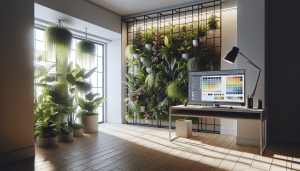
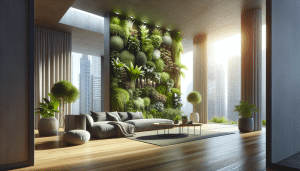
Even rugged, low-care houseplants add dramatic flair to living rooms and offices. Grouping snake plants and pothos together creates levels of green, rich with texture. Place a tall, spiky plant in a bare corner, or let trailing species spill over shelves. Minimal attention doesn’t mean plain decor—these plants provide instant vibrance.
Mixing containers is a smart move. Try classic terracotta for breathability, or opt for sleek modern ceramics to match contemporary interiors. Hanging baskets suit trailing varieties like pothos. Wall-mounted or macramé planters save floor space and keep greenery in easy sightlines. Experiment for a look that fits your lifestyle and space.
When styling, consider color and scale. Variegated foliage pairs well with bold statement pots. For beginners, a trio of snake plant, ZZ, and pothos accommodates both busy routines and aesthetics. Place them on desks, windowsills, or bookcases—these positions mean they’re noticed, yet don’t risk being overlooked for extended periods.
Common Questions About Thriving on Neglect
Are these plants safe for pets? Not always—some, like pothos and snake plant, can be toxic if ingested. Always check labels and trusted resources before choosing indoor greenery if there are cats, dogs, or curious children around (Source: https://www.aspca.org/pet-care/animal-poison-control/toxic-and-non-toxic-plants).
How long do these species live with minimal care? With basic attention—light, water, and occasional cleaning—snake plant, ZZ plant, and pothos can thrive for years or even decades. Growth might slow with less care, but these species are well adapted to survive less-than-ideal conditions.
Can these houseplants help people learn about plant care? Absolutely. Their forgiving nature means small mistakes won’t be disastrous. Newcomers gain experience and confidence, developing an understanding of light, soil, and water indicators. Branching out to more demanding species becomes easier, thanks to success with sturdy, neglected plants.
References
1. Wolverton, B.C., Johnson, A., & Bounds, K. (1989). Interior Landscape Plants for Indoor Air Pollution Abatement. NASA. Retrieved from https://ntrs.nasa.gov/citations/19930073077
2. Penn State Extension. (n.d.). Snake Plant. Retrieved from https://extension.psu.edu/snake-plant
3. Bringslimark, T., Hartig, T., & Patil, G. G. (2009). The psychological benefits of indoor plants: A critical review of the experimental literature. Journal of Environmental Psychology, 29(4), 422-433. Retrieved from https://www.ncbi.nlm.nih.gov/pmc/articles/PMC4419447/
4. Clemson Cooperative Extension. (n.d.). Houseplant Care. Retrieved from https://hgic.clemson.edu/factsheet/houseplant-care/
5. American Society for the Prevention of Cruelty to Animals. (n.d.). Toxic and Non-Toxic Plants List. Retrieved from https://www.aspca.org/pet-care/animal-poison-control/toxic-and-non-toxic-plants
6. United States Environmental Protection Agency. (n.d.). Indoor Air Quality. Retrieved from https://www.epa.gov/indoor-air-quality-iaq

 Why Quantum Computing May Change Everything You Know