What Happens To Your Skin With Daily Collagen
Sofia Marquez September 26, 2025
Curious about how collagen can transform your daily skincare routine? Unlock the science and real-life effects behind collagen, anti-aging routines, and radiant skin wellness with a practical guide anyone can use.
Unlocking Collagen: The Key Element In Skin Health
Collagen is a powerful protein that naturally exists within the body and makes up a significant portion of your skin. It’s like the scaffolding that keeps skin firm and plump. Over time, collagen production decreases, which often leads to visible signs of aging, such as fine lines and a loss of elasticity. Many people turn to skin care routines with collagen because they hope to support a smoother and more vibrant complexion. Curiosity about this crucial protein often guides individuals to explore collagen-based products and routines as part of daily wellness strategies for more resilient skin.
The structure of collagen isn’t just vital for appearance. It helps maintain hydration, supports wound healing, and forms a natural barrier against environmental stressors. Collagen fibers can be understood as the invisible threads weaving together firmness and flexibility for optimal skin wellness. Examples of this support extend beyond the face—think about elbows, knees, or any area that bends or stretches regularly. When these areas experience collagen loss, skin can start to sag or feel thinner to the touch, leading many to seek holistic beauty approaches that support overall skin strength.
There are several types of collagen, but type I is most common in skin health. People experimenting with anti-aging beauty routines often notice differences when switching to products including peptides or hydrolyzed collagen. Whether you choose topical formulas or dietary supplements, scientific discussion continues about the best route to support collagen levels for glowing skin wellness goals. Some clinical findings suggest that regular collagen intake—paired with healthy lifestyle habits—can enhance the visible youthfulness of skin over time (see reference section for cited sources).
Visible Effects Of Collagen On Aging Skin
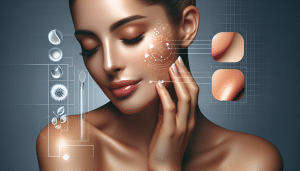
Integrating collagen into a beauty routine often drives noticeable differences in the skin’s texture and appearance. For instance, some people report that their skin feels firmer and appears more hydrated after continuous use of well-formulated collagen products. Although the effects may not be instantaneous, data suggests a steady improvement with regular use—especially when combined with antioxidants and a broad spectrum of skin-supporting nutrients. For many, even subtle improvements can boost confidence and reinforce daily wellness habits.
The main goal for users of anti-aging routines is not only to manage fine lines but also to regain the skin’s luminous quality. Collagen peptides, when administered correctly, may support skin structure by replenishing what’s lost through natural aging processes, sun exposure, and oxidative stress. While no topical ingredient can fully turn back the clock, cohesive routines offering hydration and collagen support tend to offer enhanced skin luminosity and more even tone for a fresh, awakened look.
Science shows that with consistent collagen supplementation or use, incremental changes—such as reduction in wrinkle depth—are possible (Source: American Academy of Dermatology). It’s important to tailor expectations and stay patient. For many, real results can take several weeks or even months, but the potential for smoother, plumper skin keeps collagen at the center of any modern wellness and beauty discussion. Explore more details in reputable scientific resources listed below.
Exploring Sources Of Collagen In Wellness Routines
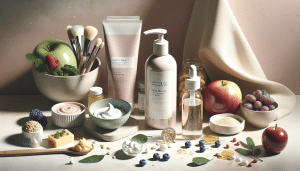
Some people boost collagen through hydrolyzed powders or drinks. Others add foods rich in vitamin C, zinc, and protein to their diets, nurturing the body’s natural production processes. Topically, creams and serums with peptides or retinoids claim to support collagen synthesis—although the evidence is mixed on exactly how much reaches the lower layers of the skin. Reading clinical findings can help individuals make informed choices and select routines supported by both tradition and research.
Dietary collagen often comes in flavors ranging from unflavored to chocolate, making it easy to blend with wellness drinks or morning coffee. Some supplement users cite stronger nails and healthier hair alongside their glowing complexion. Experts, however, generally recommend combining collagen with lifestyle practices such as minimizing UV exposure and ensuring thoughtful hydration for comprehensive beauty results. Check for third-party tested sources to ensure quality and efficacy.
The skin’s appearance often reflects overall wellness. While oral collagen may work internally, maintaining healthy habits—sleep, balanced nutrition, and stress management—provides the best foundation for maximizing visible results. Interdigital connections between gut health and skin appearance continue to emerge in the research. This holistic approach often fostered by wellness communities aligns with the growing popularity of daily collagen routines in the pursuit of beauty from the inside out.
Addressing Safety, Effectiveness, And Common Myths
There are misconceptions about collagen supplementation, from miracle claims to outright dismissal. Experts clarify that while collagen can support skin health, it’s not a cure-all. Dermatologists and clinical studies have revealed that high-quality supplements and topicals are generally safe for most adults, but it’s wise to discuss any new routine with a healthcare provider—especially for those with allergies or medical conditions. The existing body of evidence supports potential benefits, but realistic expectations set the stage for user satisfaction.
One common myth suggests collagen cannot be absorbed when consumed. While the body breaks down dietary collagen into amino acids, research shows that specific short chains—called peptides—can survive this process and potentially stimulate the body’s own collagen production. Another misconception is that only older adults benefit from collagen routines; in fact, skin wellness advantages may extend to individuals in their twenties and beyond, especially those exposed to oxidative stress or UV damage (see Mayo Clinic resources for more).
Safety is also a key factor. While allergic reactions are rare, those using collagen sourced from marine or bovine origins should check for potential sensitivities. Discussing labels, sourcing practices, and clinical trial results with health professionals ensures that routines remain safe, responsible, and effective (Source: Cleveland Clinic). With the rising curiosity about anti-aging and skin resilience, seeking scientific proof remains central to building a sustainable beauty regimen supported by evidence.
Cultivating A Holistic Beauty Routine With Collagen
Daily collagen use often fits within a broader beauty philosophy that values balanced living and holistic care. Wellness isn’t only about applying a single ingredient or using a certain cream but about integrating a spectrum of supportive actions—gentle cleansing, sun avoidance, mindful nutrition, and restorative sleep. All of these can complement the effects of collagen supplementation or topical care, forming a harmony for more radiant, resilient skin.
The ritual of self-care itself carries benefits. The simple act of applying a nourishing cream or sipping a collagen-enhanced beverage can become a daily mindfulness practice. Many people discover that this mindful attention fosters consistency and joy within their wellness routines. Whether your routine is simple or elaborate, treating skincare as a form of self-kindness enhances not only external beauty but also overall sense of well-being.
Ultimately, every skin journey is unique. Collagen may play a prominent role, but combining it with sunscreen, antioxidant-rich foods, gentle exfoliation, and stress-reducing hobbies maximizes benefits exponentially. By prioritizing patience and continuous learning, you can adapt your beauty strategy to evolving needs and science-based discoveries. With curiosity and routine, the potential for lasting skin vitality feels within reach.
Practical Tips For Getting Started With Daily Collagen
Getting started with collagen in a wellness routine can feel overwhelming, but a few simple strategies help. First, choose high-quality sources—whether supplements or creams—that are supported by third-party testing. Look for transparent ingredient labels and avoid products with unnecessary additives. Trusted resources like registered dietitians or dermatologists can guide individualized choices for both safety and effectiveness.
Integrate collagen at a consistent time each day. Many find it easiest to add to a morning smoothie or as part of a nighttime skin ritual. Pairing collagen intake with healthy fats and vitamin C-rich foods can enhance its absorption and synergize with your body’s innate repair systems. For those using topical products, diligent application after cleansing enhances potential uptake and results.
As with any new wellness practice, it’s important to monitor your results and adjust as needed. Some individuals journal their progress, noting changes in skin texture, firmness, or hydration. Others share experiences within wellness communities online, learning from peer discoveries and expert advice alike. Staying informed by checking live research updates ensures your beauty journey stays on the cutting edge of science while remaining safe and rewarding.
References
1. American Academy of Dermatology Association. (n.d.). Collagen: What it is and what it does for your skin. Retrieved from https://www.aad.org/public/everyday-care/skin-care-basics/collagen
2. Cleveland Clinic. (n.d.). Collagen: What it is, types, benefits, uses and more. Retrieved from https://my.clevelandclinic.org/health/articles/23089-collagen
3. Harvard T.H. Chan School of Public Health. (n.d.). Collagen. Retrieved from https://www.hsph.harvard.edu/nutritionsource/collagen/
4. Mayo Clinic. (n.d.). Collagen supplements: Are they beneficial? Retrieved from https://www.mayoclinic.org/healthy-lifestyle/nutrition-and-healthy-eating/expert-answers/collagen-supplements/faq-20421390
5. National Institutes of Health. (n.d.). Collagen and health. Retrieved from https://ods.od.nih.gov/factsheets/Collagen-Consumer/
6. Journal of Drugs in Dermatology. (2021). The effect of oral collagen peptide supplementation on skin moisture and elasticity: a systematic review and meta-analysis. Retrieved from https://jddonline.com/articles/the-effect-of-oral-collagen-peptide-supplementation-on-skin-moisture-and-elasticity-a-systematic-re-S1545961621P0450X/

 Unlock Radiant Skin with Daily Self Care Rituals