You Can Transform Any Space With Indoor Plants
Henry Caldwell September 26, 2025
Explore how adding indoor plants can refresh your living environment, boost air quality, and support wellbeing. Discover practical tips for selecting, caring for, and styling greenery that thrives in your home—no matter the lighting or your gardening skills.
Discover the Benefits of Indoor Plants for Your Home
Indoor plants aren’t just visually appealing; they also offer proven health and wellness benefits for households. Many homeowners choose to introduce greenery inside their living spaces to improve air quality and create a calming ambiance. Scientific studies have observed that common houseplants such as pothos, spider plant, and snake plant can help filter specific indoor pollutants, making environments feel fresher and more pleasant. The psychological impact is notable as well—being near nature, even inside, is linked to reduced stress and increased comfort (Source: https://www.epa.gov/indoor-air-quality-iaq/inside-story-guide-indoor-air-quality).
As more people work remotely, attention to the home atmosphere is rising. Indoor plants become vital assets for boosting productivity and uplifting mood in home offices, living rooms, and bedrooms. They foster a connection to nature and may help counteract some of the strains brought on by urban life. Research from the American Society for Horticultural Science suggests that exposure to plants aids focus and can even support recovery from mental fatigue, making greenery a valued addition to both work and relaxation zones (Source: https://journals.ashs.org/horttech/view/journals/horttech/25/6/article-p815.xml).
Furthermore, plants have a unique way of elevating interior design. They bring texture, color, and life to spaces, complementing various decor styles from minimal to maximalist. Many homeowners now integrate lush foliage as a central feature, using large statement plants or groups of small pots for a curated look. The positive influence of plants on both aesthetics and atmosphere continues to inspire both seasoned gardeners and beginners to embark on the satisfying journey of indoor gardening.
Choosing the Right Indoor Plants for Your Space
Selecting the right types of houseplants depends on your living space, lighting conditions, and time available for care. Some indoor plants require bright indirect sunlight, while others are well-suited to low-light corners. Snake plants, ZZ plants, and philodendrons are known for their adaptability and resilience, making them reliable choices for gardeners at any experience level. Understanding your home’s environmental characteristics helps ensure your chosen indoor plants thrive (Source: https://hgic.clemson.edu/factsheet/growing-indoor-plants-with-success/).
Temperature and humidity play important roles too. Tropical houseplants, such as peace lilies and monstera, prefer warmer, more humid conditions, while succulents and cacti thrive in dryer environments. Matching your selections to your space’s natural conditions often leads to greater success and less maintenance stress. For homes with pets or children, researching non-toxic indoor plants is also important, as some species can pose health risks if ingested (Source: https://www.aspca.org/pet-care/animal-poison-control/toxic-and-non-toxic-plants).
Seasonal trends and popular aesthetics also influence plant selection. While fiddle leaf figs and monstera deliciosa have enjoyed design-world attention, classics like pothos and spider plants maintain their popularity due to ease of care and adaptability. Mixing several plant types, sizes, and leaf textures can further enhance visual interest, bringing a dynamic yet serene character into your home.
Tips for Successful Indoor Plant Care
Mastering indoor plant care begins with a few core practices: regular watering, proper light exposure, and occasional fertilizing. Most indoor plants prefer soil that dries slightly between waterings, so avoiding overwatering is essential. Consistency in care routines helps plants establish stable growth patterns, resulting in lush, vibrant foliage. Monitoring for common pests like spider mites or fungus gnats and acting swiftly can help maintain plant health (Source: https://extension.umn.edu/houseplants/houseplant-care).
Plant placement is another key aspect. Grouping plants with similar light and moisture needs streamlines care and encourages microclimates beneficial for humidity-loving varieties. Windowsills, plant stands, or hanging baskets can be strategically used to optimize light exposure. Rotating plants every few weeks ensures even light distribution, preventing legginess and promoting symmetrical growth.
With a little attention, even beginners can spot signs when something isn’t right—such as yellowing leaves, drooping, or slow growth. Often, these issues are linked to watering habits, fertilizer balance, or light availability. Adjusting routines gradually, rather than making sudden changes, gives plants time to adapt and recover. Over time, regular observation will help even novice growers build confidence and success in maintaining indoor plants.
Creative Ways to Style Indoor Plants
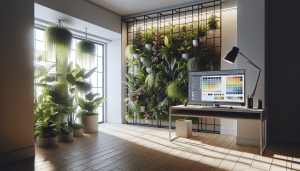
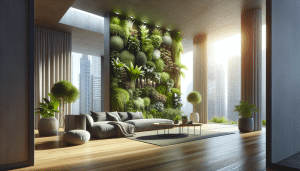
The versatility of indoor plants opens up a world of styling opportunities throughout any home. Beyond placing a single plant on a side table, modern gardeners create arrangements by mixing different species, colors, and pot textures. Vertical displays using wall planters, shelves, or mounted pots free up floor space while adding greenery at eye level and above, making small spaces appear larger and more inviting (Source: https://www.rhs.org.uk/plants/plants-in-the-home).
Grouping plants of varying heights and leaf shapes can add dimension and movement to a room. Trailing vines, such as pothos or philodendron, soften the lines of shelves and bookcases, while tall, upright varieties like fiddle leaf figs serve as natural focal points. Pairing pots with natural materials—warms woods, ceramics, or woven baskets—emphasizes organic beauty, echoing sustainable and earthy design themes.
For those looking to make a greater statement, consider plant arrangements as living art. Creating small jungle nooks, bathroom oases, or green entryways personalizes your space and makes home life feel vibrant. Rotating plant displays with the seasons brings fresh energy and keeps old favorites feeling new. Experimenting with containers, plant stands, and creative groupings can showcase your personality as well as your green thumb.
Overcoming Common Challenges in Indoor Gardening
Every plant enthusiast faces obstacles along their journey. A frequent challenge is adapting watering habits to suit each plant’s specific needs, since over- or under-watering can cause distress. Establishing a habit of testing soil moisture and using pots with drainage holes can prevent many issues before they start. If problems like leaf drop, slow growth, or pests appear, they are often solved by a simple adjustment to care routines, such as changing light exposure or repotting as plants outgrow their containers (Source: https://edis.ifas.ufl.edu/publication/EP158).
Lighting is another common hurdle, especially in interior rooms with minimal natural light. Selecting shade-tolerant plants or supplementing with grow lights helps overcome dark corners. Regularly dusting leaves ensures maximum light absorption and healthy photosynthesis. Creating an adaptable environment, rather than aiming for perfection, keeps indoor gardening enjoyable and stress-free.
Pest issues can be discouraging, but organic solutions like neem oil, gentle washing, and pruning minimize risks while keeping your home safe. Monitoring plants on a schedule makes early detection easier. Over time, plant owners develop a sense for each plant’s preferences, leading to fewer problems and greater gardening satisfaction. The learning curve becomes a source of pride as your indoor garden grows and flourishes.
Why Indoor Plants Support Wellbeing and Eco-Friendly Living
The influence of indoor plants extends well beyond aesthetics. They play a role in creating eco-friendly homes by increasing oxygen levels, reducing carbon dioxide, and helping regulate humidity. Incorporating houseplants supports broader sustainability goals, including reducing energy use for air purification and adding biophilic design elements that strengthen our connection to nature (Source: https://health.clevelandclinic.org/benefits-of-houseplants).
Spending time caring for plants, watering, pruning, or simply enjoying their presence can be remarkably meditative. This hands-on interaction is associated with improved mental wellness, offering moments of calm and mindfulness in daily routines. Plants invite us to step away from screens and reconnect with natural rhythms, helping to restore balance in busy, technology-driven lives.
Ultimately, choosing to live with plants is a practical and rewarding step toward a healthier, more harmonious home environment. The positive effects can be subtle yet powerful, making indoor gardening one of the most accessible and fulfilling ways to enhance both living spaces and quality of life for people of all ages and backgrounds.
References
1. United States Environmental Protection Agency. (n.d.). The Inside Story: A Guide to Indoor Air Quality. Retrieved from https://www.epa.gov/indoor-air-quality-iaq/inside-story-guide-indoor-air-quality
2. Lohr, V. I. (2015). Benefits of Indoor Plants on Attention Capacity in an Office Setting. HortTechnology, 25(6), 815-819. Retrieved from https://journals.ashs.org/horttech/view/journals/horttech/25/6/article-p815.xml
3. Clemson University Cooperative Extension. (n.d.). Growing Indoor Plants with Success. Retrieved from https://hgic.clemson.edu/factsheet/growing-indoor-plants-with-success/
4. The American Society for the Prevention of Cruelty to Animals. (n.d.). Toxic and Non-Toxic Plants List. Retrieved from https://www.aspca.org/pet-care/animal-poison-control/toxic-and-non-toxic-plants
5. University of Minnesota Extension. (n.d.). Houseplant Care. Retrieved from https://extension.umn.edu/houseplants/houseplant-care
6. Cleveland Clinic. (n.d.). The Surprising Health Benefits of Houseplants. Retrieved from https://health.clevelandclinic.org/benefits-of-houseplants

 What Happens To Your Skin With Daily Collagen