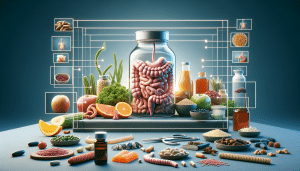
You Won’t Believe How Gut Health Impacts Wellbeing
Sofia Marquez September 26, 2025
Explore the fascinating link between gut health and your overall sense of wellness. This comprehensive guide explains how digestive balance, probiotics, and mindful nutrition play major roles in supporting energy, mood, and immune function while addressing real-world concerns about gut issues and prevention strategies.
The Importance of Gut Health for Wellness
The digestive system does far more than just break down food. Recent research highlights that gut health plays a profound role in physical and mental wellbeing. The community of microorganisms—collectively known as the gut microbiome—helps influence everything from nutrition absorption to immune system response. Balanced gut flora can promote greater energy, clearer skin, and even a calmer mood. Disturbances, meanwhile, may result in symptoms like bloating, fatigue, or frequent illness. Understanding what supports a healthy gut is fundamental to optimizing overall wellness.
An unbalanced gut, sometimes triggered by poor dietary choices, excess antibiotics, or chronic stress, has been linked to a range of conditions that go beyond simple digestive complaints. Issues such as irritable bowel syndrome, food intolerances, and even heightened inflammation can arise. Researchers point out how disruptions in the gut barrier may allow unwanted particles into the bloodstream, potentially impacting everything from skin health to mental clarity. By caring for digestive harmony, you lay a foundation for diverse health benefits (https://www.nih.gov/news-events/nih-research-matters/how-gut-bacteria-regulate-health).
Addressing gut health often involves multiple lifestyle factors—diet, hydration, exercise, and stress management all contribute. People are increasingly seeking ways to support the gut through nutrient-dense foods, probiotics, and fiber-rich diets. This approach isn’t about restrictive rules, but rather paying attention to what fuels and balances the unique ecosystem inside the digestive tract. Learn more about the simple steps that can promote resilience and vitality in your daily life through gut-friendly choices.
The Gut-Brain Connection Unveiled
Scientists refer to the gut as the “second brain” because of its intricate network of nerves and ability to communicate with the central nervous system. The gut-brain axis describes a two-way feedback system where psychological factors can impact digestion, and in turn, gut imbalances can affect mood and cognition. Many neurotransmitters, including serotonin (often called the happiness chemical), are produced in the gut. This relationship sheds light on why digestive issues and mental health often intersect.
Studies reveal that people experiencing chronic stress or anxiety frequently report digestive discomfort. There’s growing interest in how stress-reduction techniques, such as mindfulness and deep-breathing exercises, may help restore gut harmony. Choices that calm the nervous system—regular sleep, gentle physical activity, and balanced meals—can all support communication between the brain and gut. Many report enhanced mood and reduced discomfort when addressing both psychological and digestive wellbeing.
New insights suggest the microbiome can influence cognitive health through immune signaling, hormone regulation, and the production of special compounds called short-chain fatty acids. These discoveries are leading researchers to examine how certain dietary patterns, like the Mediterranean diet or prebiotic-rich foods, may benefit both mind and gut. Prioritizing the gut-brain connection could mean greater resilience to stress and improved mental clarity (https://www.apa.org/monitor/2012/09/gut-feeling).
Probiotics and Prebiotics: Building a Healthy Gut Ecosystem
Probiotics are living bacteria found in certain foods and supplements that help replenish and balance the microbiome. Meanwhile, prebiotics provide the fiber and nutrients that healthy bacteria need to thrive. Together, these elements support digestive comfort, better immune defense, and even enhanced nutrient absorption. Yogurt, kefir, kimchi, and sauerkraut are examples of probiotic foods. Whole grains, bananas, and garlic often supply beneficial prebiotics.
The market for probiotic supplements has expanded rapidly. Shoppers are increasingly curious about their role for health maintenance. While high-quality probiotics may help restore healthy flora after illness or antibiotics, not every supplement is the same. Diversity of strains and adequate dosage matter most. Individuals considering probiotics should consult credible sources or speak with healthcare professionals to identify the formulation that aligns with their unique health concerns (https://www.nccih.nih.gov/health/probiotics-what-you-need-to-know).
Integrating more fiber-rich foods gradually can foster gut comfort, but dramatic changes may trigger temporary digestive shifts. Fermented foods, known for their tangy flavor, remain a staple in many traditional diets worldwide thanks to their role in promoting resilience. Strategic use of both prebiotics and probiotics—focusing on variety and whole foods—is often suggested for a balanced, sustainable gut ecosystem.
Everyday Habits That Support Digestive Wellness
Healthy gut function relies on more than what’s eaten—it’s also about how you eat and live. Mindful eating, where meals are consumed slowly and without distraction, allows the digestive system to perform optimally. Chewing thoroughly can even reduce bloating and increase satisfaction. Remaining hydrated is equally crucial for motility and for feeding healthy microorganisms. Routine also matters: eating meals at consistent times supports the body’s natural rhythms.
Physical activity plays a surprising role in digestive wellness. Regular movement helps to stimulate the muscles of the gastrointestinal tract, improving motility and promoting regular elimination. Light forms of exercise—walking, yoga, gentle cycling—are linked with a reduction in common digestive complaints. For many, a few minutes of stretching after meals or a brisk walk can spark comfort and calm.
Sleep, often underestimated, emerges as a key factor influencing gut function. Sleep deprivation can disrupt hormones that regulate hunger, fullness, and microbial balance. Prioritizing restful sleep and establishing a wind-down routine may, in turn, strengthen digestive resilience. Cultivating these daily habits reinforces a wellness mindset that nourishes both body and mind, making gut-friendly living accessible to nearly everyone (https://www.sleepfoundation.org/physical-health/how-sleep-affects-your-digestive-system).
Recognizing Signs of Gut Imbalance and When to Seek Guidance
Sometimes, gut-related symptoms can serve as early indicators of imbalance. These may include persistent bloating, gas, irregular bowel movements, skin disturbances, or an increase in infections. While occasional discomfort is common, patterns that persist should prompt closer attention. Many individuals notice improvement through simple lifestyle interventions, but ongoing or worsening symptoms may require professional guidance.
Common conditions like irritable bowel syndrome, intolerance to certain foods, or ongoing fatigue can sometimes be traced to digestive issues. Healthcare providers make use of medical history, physical examination, and sometimes stool or blood tests to identify underlying causes. Guidance may include tailored nutrition plans, stress management strategies, and, in some cases, targeted therapies to restore balance. Addressing these issues early can often prevent complications and help restore quality of life.
Monitoring for warning signs—such as unexplained weight loss, blood in the stool, severe abdominal pain, or sudden digestive changes—is important. These symptoms may require prompt assessment to rule out more serious problems. Early recognition and evidence-based approaches can lead to positive outcomes and reaffirm the vital role the gut plays in health (https://www.mayoclinic.org/diseases-conditions/irritable-bowel-syndrome/symptoms-causes/syc-20360016).
Nutrition Strategies for Lifelong Gut Health
Building lasting gut health doesn’t rely on trends—it’s about consistent, diverse nutrition. Diets abundant in colorful vegetables, fruits, legumes, whole grains, nuts, seeds, and fermented foods offer fiber, antioxidants, and phytonutrients to nourish both body and microbiome. Limiting highly processed foods and excess sugars can ease inflammation and may contribute to improved digestive happiness.
People are increasingly curious about approaches such as the Mediterranean diet, which emphasizes healthy fats, lean proteins, and plant-based diversity. Research supports the idea that such nutrition plans foster a diverse microbiome, supporting resilience against illness and promoting well-rounded wellbeing. Rotating food choices seasonally and adding new foods gradually can encourage balance while reducing monotony.
Practical strategies might include meal planning to ensure fiber goals are met, prepping nutrient-dense snacks, and experimenting with homemade fermented recipes. Food shouldn’t be viewed as medicine, but as an opportunity to support healthy function throughout life. Building these simple habits can foster empowerment around health, regardless of age or background (https://www.hsph.harvard.edu/nutritionsource/healthy-gut-microbiome/).
References
1. National Institutes of Health. (n.d.). How gut bacteria regulate health. Retrieved from https://www.nih.gov/news-events/nih-research-matters/how-gut-bacteria-regulate-health
2. American Psychological Association. (2012). Gut feeling: How your gut may affect your mood. Retrieved from https://www.apa.org/monitor/2012/09/gut-feeling
3. National Center for Complementary and Integrative Health. (2019). Probiotics: What you need to know. Retrieved from https://www.nccih.nih.gov/health/probiotics-what-you-need-to-know
4. Sleep Foundation. (n.d.). How sleep affects your digestive system. Retrieved from https://www.sleepfoundation.org/physical-health/how-sleep-affects-your-digestive-system
5. Mayo Clinic. (2023). Irritable bowel syndrome. Retrieved from https://www.mayoclinic.org/diseases-conditions/irritable-bowel-syndrome/symptoms-causes/syc-20360016
6. Harvard T.H. Chan School of Public Health. (n.d.). The nutrition source: The healthy gut microbiome. Retrieved from https://www.hsph.harvard.edu/nutritionsource/healthy-gut-microbiome/

 How Social Media Shapes the News You See