Interior Design Ideas That Maximize Natural Light
Henry Caldwell September 25, 2025
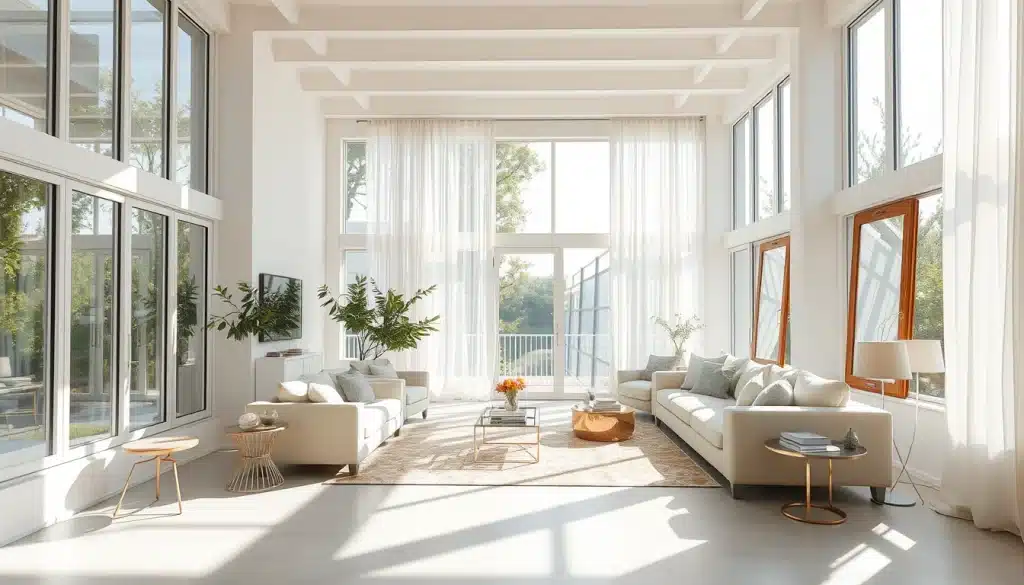
Natural light is more than just a beautiful addition to a room—it has the power to transform any space into something more welcoming, open, and vibrant. With the rise of eco-conscious living and energy-saving strategies, maximizing natural light is a hot trend in interior design. Not only does it brighten up your home, but it can also reduce your energy bills and create a more positive atmosphere. Let’s explore some of the best strategies to let more sunlight into your home, while ensuring it blends seamlessly with your existing decor.
1. Use Light-Reflecting Colors
The simplest and most effective way to enhance natural light in your home is through the colors you choose for walls, ceilings, and furniture. Lighter shades, such as whites, soft pastels, and light neutrals, reflect sunlight and make rooms appear brighter. According to Elle Decor (2023), the use of light-colored walls and ceilings can increase the brightness of a room by up to 40%.
- White Walls & Ceilings: White is a classic choice because it reflects the most light. It also creates a clean, crisp look, making rooms feel larger and airier.
- Pastel Shades: Soft blues, pinks, and yellows also reflect light, while adding warmth and a welcoming atmosphere.
- Light Wood & Mirrored Furniture: Wooden furniture in light tones, such as oak or maple, can enhance the feeling of warmth and space, while mirrors reflect light, further amplifying the natural daylight streaming in.
2. Opt for Open Floor Plans
Open-concept layouts are gaining popularity for their ability to create seamless transitions between different areas of the home, making the space feel more expansive. One of the significant advantages of an open floor plan is the free flow of natural light.
- Fewer Barriers: With fewer walls or partitions blocking light, the sunlight can travel through the entire space, brightening every corner.
- Flow Between Rooms: If your living room, dining area, and kitchen are connected, the light coming from large windows can spread across the rooms, illuminating the entire area.
As Architectural Digest (2023) points out, “removing unnecessary walls is an easy yet effective way to maximize light and make your home feel more spacious.”
3. Add Large Windows and Glass Doors
When it comes to maximizing natural light, your windows are your best friend. If possible, consider replacing small windows with larger ones or even installing glass doors that open up to your garden or patio.
- Floor-to-Ceiling Windows: These allow light to flood the room and offer a beautiful view of the outdoors, creating a sense of connection with nature.
- Glass Sliding Doors: Perfect for letting in sunlight while offering easy access to your outdoor space, glass sliding doors are a great choice for living areas and kitchens.
- Skylights: For rooms that lack wall space for windows, consider installing skylights or roof windows. This provides an influx of light from above, especially in rooms like bathrooms, kitchens, and hallways.
Source: (DeJohn, 2022) highlights that “natural daylight from larger windows improves mood and productivity, making it a top choice for modern interior designs.”
4. Use Sheer Curtains or Blinds
While privacy is important, heavy drapery can block much of the light. Instead, opt for sheer curtains, or better yet, lightweight blinds. These will allow natural light to filter in while maintaining your privacy.
- Sheer Curtains: Made from delicate fabrics, these curtains let in light while maintaining a soft, airy feel in the room.
- Blinds with Adjustable Slats: Horizontal or vertical blinds allow you to control the amount of sunlight entering your space while maintaining privacy.
- Roman Shades or Roller Blinds: These can be made from lighter fabrics, creating an elegant look while letting in plenty of daylight.
Home & Garden (2023) notes that “sheer curtains are a great choice for creating a light, airy environment, especially in smaller rooms where natural light can make a big difference.”
5. Embrace Minimalism with Light Furniture and Decor
A clutter-free space allows for better airflow and more natural light to shine through. Embrace minimalism by choosing light furniture pieces and decor items that don’t obstruct the flow of sunlight.
- Low Furniture: Select low-profile furniture to allow more light to enter the room without obstructions. For example, a low-back sofa or chairs can help create an unobstructed view to your windows.
- Open Shelving: Opt for open shelving instead of bulky bookcases or cabinets. This design keeps the space feeling open and airy while allowing light to move through.
- Glass or Transparent Furniture: Furniture made of glass or acrylic allows light to pass through, contributing to a sense of spaciousness in your room.
6. Reflective Surfaces and Mirrors
Mirrors and other reflective surfaces are fantastic for amplifying natural light. Place mirrors strategically opposite windows or light sources, as they will reflect the light around the room, making it appear brighter.
- Mirrors in Entryways: A large mirror in the entryway can reflect the natural light from the living room or hallway, instantly brightening the space.
- Decorative Metallics: Metallic finishes on decor items like lamps, picture frames, or vases reflect light and add a touch of elegance to your space.
According to DesignSponge* (2023), “Strategically placing mirrors can amplify natural light in even the darkest corners of your home.”
7. Use Greenery and Indoor Plants
Adding greenery not only improves air quality but also adds to the natural vibe of your home. Houseplants can brighten up any corner of the room and reflect light through their glossy leaves, making the space feel fresh and vibrant.
- Tall Plants: Place large plants near windows to frame the space and add visual interest, while still letting light in.
- Hanging Plants: For small spaces, consider hanging plants from the ceiling. This keeps the floor area clear while allowing light to flood the room.
- Succulents and Herbs: Small, low-maintenance plants on windowsills or shelves add a pop of green without blocking sunlight.
Conclusion:
Incorporating natural light into your home design doesn’t have to be difficult. By using light-reflecting colors, opting for open layouts, installing larger windows, and minimizing heavy drapery, you can transform your home into a bright, welcoming space. Embrace these strategies, and you’ll create a home that not only looks beautiful but also feels healthier and more connected to the outdoors. The trend toward maximizing natural light is more than just an aesthetic choice—it’s a practical, sustainable decision for the future of home design.
References
- DeJohn, M. (2022). Designing with natural light: How to brighten your home without electric lighting. Available at: https://www.architecturaldigest.com (Accessed: 25 September 2025)
- Elle Decor. (2023). The best paint colors to reflect natural light in your home. Available at: https://www.elledecor.com (Accessed: 25 September 2025)
- Home & Garden. (2023). Maximizing natural light in interior design. Available at: https://www.homeandgarden.com (Accessed: 25 September 2025)

 How Startups Are Leveraging AI for Growth