Gardening Ideas That Improve Outdoor Aesthetics
Henry Caldwell September 24, 2025
Outdoor aesthetics are no longer just about planting flowers and arranging garden furniture. Today’s garden design is a blend of functionality, sustainability, and creativity. As we move further into 2025, several emerging gardening trends are gaining momentum, with an emphasis on enhancing the outdoor experience while making the most of available space. Whether you’re a seasoned gardener or a newbie looking to transform your outdoor space, these ideas will help you cultivate a garden that’s not only beautiful but also stylish and eco-friendly.
1. Sustainable Landscaping: A Growing Trend
Sustainability in gardening is becoming more than just a buzzword—it’s a lifestyle choice. With climate change being a pressing issue, many gardeners are focusing on creating environmentally friendly spaces that conserve resources and support local wildlife.
Native Planting: One of the most effective ways to make your garden more sustainable is by incorporating native plants. These plants are naturally adapted to the local climate, requiring less water and fewer chemical inputs like pesticides or fertilizers. Native plants also provide food and shelter for local wildlife, including birds, bees, and butterflies, making them an excellent choice for any eco-conscious gardener.
Water-Efficient Gardens: Another trend is water-efficient gardening. With drought conditions becoming more frequent in many areas, gardeners are opting for xeriscaping—landscaping that reduces or eliminates the need for irrigation. Xeriscaping involves choosing plants that thrive in dry conditions, such as succulents, lavender, or ornamental grasses. In addition, the use of rain barrels or drip irrigation systems ensures that water is used efficiently.
These sustainable practices not only make gardens more eco-friendly but also reduce maintenance costs in the long run, making them a smart choice for budget-conscious homeowners.
2. Vertical Gardens: Maximizing Space with Style
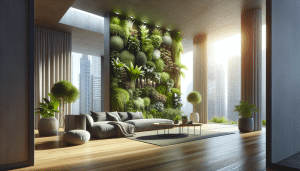
As urbanization continues to rise, many homeowners are faced with limited outdoor space. However, small yards don’t have to mean small design ideas. Vertical gardens, also known as green walls, are becoming increasingly popular in compact gardens, terraces, and even balconies.
Vertical gardens allow homeowners to maximize their space by growing plants upwards rather than outwards. This can be done with a variety of structures, such as trellises, hanging planters, or specially designed wall panels that hold multiple plants.
Not only do vertical gardens enhance the aesthetics of an outdoor space, but they can also serve functional purposes. For instance, climbing plants like ivy or jasmine can provide privacy on a balcony or terrace, while also offering fragrance and visual appeal. Vertical gardens can even be designed as herb or vegetable gardens, allowing you to grow fresh produce without taking up valuable floor space.
3. Outdoor Lighting: Enhancing Ambience
The right lighting can completely transform the look and feel of your garden, especially in the evening. Outdoor lighting is no longer just about functionality; it’s a key element of garden design that enhances both beauty and safety.
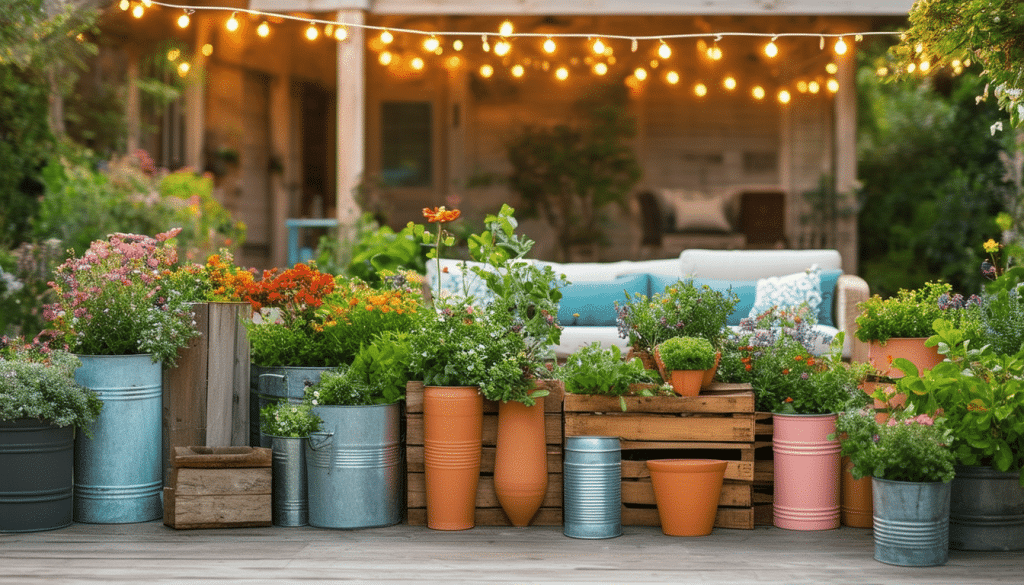
String Lights: These twinkling lights are a simple yet effective way to add a warm, inviting glow to any garden. Whether draped across trees, along fences, or across pathways, string lights can create a magical atmosphere that’s perfect for evening gatherings.
Solar-Powered Lanterns: Another great option is solar-powered lanterns. These eco-friendly lights charge during the day and automatically illuminate your garden once the sun sets, providing an effortless way to enhance your outdoor space. Available in a variety of styles—from rustic lanterns to modern, sleek designs—solar-powered lanterns can complement any aesthetic.
Accent Lighting: To highlight your garden’s features, consider accent lighting. Spotlights placed on trees, sculptures, or water features can create a dramatic effect, emphasizing the natural beauty of your garden at night.
4. Edible Gardens: A Feast for the Eyes and Stomach
In recent years, edible gardens have moved from niche trends to mainstream practices. Growing your own fruits, vegetables, and herbs not only enhances your garden’s appearance but also offers the added benefit of fresh, homegrown produce.
Vegetable Beds: Raised vegetable beds are an ideal way to grow a variety of crops, such as tomatoes, spinach, and carrots. They also provide structure and organization to a garden, helping to create a neat, visually appealing space. With proper soil management, these raised beds can be placed in almost any garden, providing both function and beauty.
Herb Gardens: If you’re short on space, consider growing a herb garden. Herbs like basil, thyme, rosemary, and mint are not only practical for cooking but also add texture, color, and fragrance to your garden. You can grow them in containers, hanging baskets, or even within vertical gardens, allowing you to integrate them into your design seamlessly.
The popularity of edible gardens is also driven by the desire for food security and sustainability. Homegrown produce often has superior flavor and nutritional value compared to store-bought options, making it an appealing choice for gardeners.
5. Water Features: Bringing Tranquility to Your Garden
The addition of water features, such as ponds, fountains, or small streams, is a timeless gardening idea that can significantly improve the aesthetic value of your outdoor space. The sound of running water provides a soothing, meditative effect that can help create a tranquil environment, ideal for relaxation or entertaining guests.
Ponds: If space allows, a pond can be a beautiful addition to any garden. It offers an opportunity to incorporate aquatic plants, such as water lilies or lotus flowers, and even fish or amphibians, adding an extra layer of biodiversity to your space.
Fountains and Birdbaths: Smaller water features, like fountains or birdbaths, are perfect for smaller gardens or patios. These features can be designed in various styles, from modern, minimalist fountains to more traditional, ornate birdbaths. The sound of the water and the presence of birds visiting the bath can create a peaceful, lively atmosphere.
6. Smart Garden Technology: Innovation Meets Nature
As technology continues to advance, many gardeners are turning to smart devices to improve their outdoor experience. From automated watering systems to garden sensors, these innovations make gardening more efficient and enjoyable.
Smart Irrigation Systems: A smart irrigation system can help you optimize your garden’s watering schedule based on weather patterns and soil moisture. These systems ensure that your garden gets just the right amount of water, reducing waste and helping your plants thrive.
Garden Sensors: For those serious about plant care, garden sensors are an excellent tool. These devices monitor factors such as soil moisture, temperature, and sunlight, providing real-time data to ensure your plants are getting the care they need.
With these high-tech solutions, gardening becomes more precise and efficient, allowing even beginner gardeners to enjoy thriving outdoor spaces.
Conclusion
As we enter 2025, it’s clear that gardening is evolving into a multi-dimensional art form, blending sustainability, technology, and creativity. Whether you have a small balcony or a sprawling backyard, there are countless ways to improve your garden’s aesthetics. From vertical gardens to edible landscapes, sustainable practices, and innovative technologies, the trends of today’s gardening world allow for a more personalized, functional, and beautiful outdoor space. By embracing these trends, you can create a garden that not only looks good but also supports the planet and enhances your daily life.
References
- White, J. (2024) “The Best Native Plants for Sustainable Gardening.” Available at: https://www.greenlivingjournal.com (Accessed: 24 September 2025)
- Smith, A. (2024) “Vertical Gardens: How to Maximize Space with Green Walls.” Available at: https://www.urbangardeningtrends.com (Accessed: 24 September 2025)
- Johnson, P. (2025) “How Technology is Revolutionizing Gardening.” Available at: https://www.techforgardens.com (Accessed: 24 September 2025)

 Travel Experiences That Inspire Personal Growth