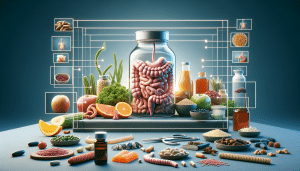
Gut Health Habits You Could Start At Home
Sofia Marquez September 24, 2025
Explore essential habits for better gut health that you can try at home. This guide covers routines, foods, and strategies that support digestive wellness—helping you understand the connection between your lifestyle and the gut microbiome.
Your Gut Microbiome and Why It Matters
The gut microbiome is an intricate community of trillions of microorganisms living in your digestive tract. These bacteria, viruses, and fungi play crucial roles in digesting food, producing essential nutrients, and even training your immune system. Recent research has revealed that the balance of your gut bacteria can influence not only digestion but also mood, energy levels, and how the body responds to illness (Source: https://www.nih.gov/news-events/nih-research-matters/understanding-gut-microbiome-role-health).
Maintaining a balanced microbiome involves many factors—diet, sleep, stress, and even medications can tilt this balance. Having a diverse microbiome is commonly associated with stronger health resilience. When the gut is disrupted, it can signal distress through bloating, irregularity, or inflammation. This is why incorporating gut-friendly habits is a cornerstone in digestive health strategies. Consider how your daily actions contribute to what scientists call ‘gut diversity.’
Because the microbiome impacts the body so widely, caring for it can mean improved absorption of key nutrients, steadier moods, and a better response to pathogens. Different species of gut bacteria work together to break down fibers and synthesize fatty acids, positively impacting metabolism. Focusing on your microbiome isn’t just about digestive comfort—it’s about fostering overall wellbeing day by day.
Dietary Choices That Support Gut Health
Fiber-rich foods are foundational for a healthy gut. Fruits, vegetables, whole grains, and legumes feed beneficial bacteria, which ferment these fibers into short-chain fatty acids. These fatty acids help protect the gut lining, support immune defenses, and reduce local inflammation (Source: https://www.hsph.harvard.edu/nutritionsource/prebiotics-probiotics). The variety of fiber sources you include can determine the diversity of microbial species flourishing in your digestive tract.
Fermented foods like yogurt, kefir, kimchi, and sauerkraut are natural sources of probiotics. These live bacteria may help restore balance after disruptions—such as antibiotics—by introducing helpful strains. Although more research is ongoing, many nutrition experts suggest regularly including small amounts of fermented foods to cultivate microbial richness. Experiment with different types and see how they fit into your preferences and routines.
Reducing heavily processed foods, artificial sweeteners, and added sugars is another vital habit. These items can alter gut bacteria composition, sometimes feeding less beneficial strains. Instead, focus on whole, minimally processed meals that feature a rainbow of produce. Explore recipes that spotlight beans, oats, garlic, onions, or bananas—foods naturally high in prebiotics, which fuel the microbiome even further.
Everyday Lifestyle Habits for a Healthier Gut
Regular physical exercise isn’t just good for your heart and muscles—it appears to foster microbial diversity in the gut. Studies indicate that moderate-intensity, consistent movement can increase the presence of beneficial bacteria and support gut motility (Source: https://www.ncbi.nlm.nih.gov/pmc/articles/PMC6186341/). Think about incorporating walks, cycling, swimming, or yoga into a weekly schedule.
Another important factor is sleep. Poor sleep habits may disrupt gut barrier function and change how bacteria interact with the intestinal lining. Setting a regular sleep-wake cycle and winding down with calming routines can help both your gut and overall mental health. Even minor shifts—like avoiding screens before bed or keeping your sleep environment cool and dark—can make a positive difference over time.
Managing stress is often overlooked in gut health, but gut-brain communication is closely linked. Mindfulness practices, deep breathing, or even regular laughter can help ease stress’s impact on digestion. Chronic stress may shift the balance of your microbiome and is linked to symptoms such as bloating or stomach upset. Small, consistent actions to lower stress can move gut health in the right direction.
Recognizing Signs of Gut Imbalance
Common symptoms related to gut imbalance include persistent bloating, constipation, diarrhea, and food intolerances. Less obvious signals might be unexplained fatigue or changes in mood. While occasional digestive upset is normal, frequent or chronic signs may suggest a need to revisit habits and consult a health professional (Source: https://www.gastro.org/practice-guidance/gi-patient-center/topic/digestive-health).
Food intolerances can sometimes develop if gut bacteria diversity decreases. People with limited microbial balance may find it difficult to digest certain carbohydrates or dairy products. Tracking what you eat and how you feel may help reveal patterns. Simple food diaries, along with professional guidance, can help pinpoint troublesome foods and lead to smarter dietary adjustments.
Skin conditions, brain fog, or increased susceptibility to infections might also be associated with disturbances in the digestive tract. However, these signs can be subtle and are not always easy to connect directly to the gut. If recurring symptoms persist, explore more comprehensive care with providers familiar with gastrointestinal wellness. Open communication about symptoms often leads to proactive and effective solutions.
Gut Health and Immune Function
Much of the body’s immune system is housed in the gut. Specialized cells line the intestinal tract, working to identify and neutralize potential threats. When a microbiome is balanced, these cells work efficiently, allowing the immune system to robustly defend against pathogens and support healing (Source: https://www.cdc.gov/healthygut/index.htm).
Conversely, an unbalanced gut may contribute to overactive immune responses or increased susceptibility to colds and other ailments. Eating a diverse, plant-rich diet fuels these immune functions. Incorporating foods with antioxidants—like berries, leafy greens, and nuts—could help further support immune wellness by reducing oxidative stress and inflammation within the gut lining.
Some experts suggest that nurturing gut health may also influence vaccine responses and wound healing. While studies are ongoing, the link between digestive health and immunity continues to grow stronger in medical literature. It’s another compelling reason to implement healthy daily habits that reinforce both digestive and whole-body defenses.
Simple Daily Routines to Nurture Gut Wellness
Starting small can make habits stick. Begin with one daily change—perhaps swapping a snack for a piece of fruit or adding a serving of yogurt to breakfast. Drinking plenty of water helps keep digestion running smoothly, while minimizing caffeine or alcohol supports stable gut activity. Hydration and consistent meal timing matter more than you may think (Source: https://www.eatright.org/health/wellness/digestive-health/feeding-your-gut-microbiome).
Create mealtime mindfulness by eating slowly and savoring flavors. Breaking the pattern of rushed eating can enhance satisfaction and assist the digestive process. Planning grocery lists in advance makes it easier to reach for gut-healthy options like beans, greens, and whole-grain bread. Even prepping overnight oats or veggie-packed salads in batches supports your intention to eat well.
Last, review over-the-counter medications with your provider, particularly frequent use of antibiotics or NSAIDs, as these can disrupt the bacterial equilibrium. Supplements like probiotics or prebiotic fibers may be beneficial for some people, but consult a professional to see if they fit your needs. Every routine counts on the path to improved gut wellness and long-term vitality.
References
1. National Institutes of Health. (n.d.). Understanding the Gut Microbiome’s Role in Health. Retrieved from https://www.nih.gov/news-events/nih-research-matters/understanding-gut-microbiome-role-health
2. Harvard T.H. Chan School of Public Health. (n.d.). The Nutrition Source: Prebiotics & Probiotics. Retrieved from https://www.hsph.harvard.edu/nutritionsource/prebiotics-probiotics
3. Allen, J. M., et al. (2018). Exercise Alters Gut Microbiota Composition and Function in Lean and Obese Humans. Retrieved from https://www.ncbi.nlm.nih.gov/pmc/articles/PMC6186341/
4. American Gastroenterological Association. (n.d.). Digestive Health. Retrieved from https://www.gastro.org/practice-guidance/gi-patient-center/topic/digestive-health
5. Centers for Disease Control and Prevention. (n.d.). Healthy Gut. Retrieved from https://www.cdc.gov/healthygut/index.htm
6. Academy of Nutrition and Dietetics. (n.d.). Feeding Your Gut Microbiome. Retrieved from https://www.eatright.org/health/wellness/digestive-health/feeding-your-gut-microbiome

 Emerging Wellness Trends You’ll Want to Try