Wellness Practices That Reduce Stress Naturally
Sofia Marquez September 23, 2025
In today’s fast-paced, technology-driven world, stress has become a common companion for many. From tight deadlines at work to balancing personal commitments, the pressures of daily life often take a toll on our mental and physical health. Chronic stress contributes to a variety of health issues, including anxiety, sleep disturbances, and even cardiovascular diseases. But there’s good news — there are plenty of natural wellness practices that can help you manage and reduce stress effectively.
This article explores three emerging and highly effective wellness practices that help reduce stress naturally. By incorporating these methods into your daily routine, you can cultivate a healthier and more balanced life.
1. Mindfulness Meditation: Harnessing the Power of Presence
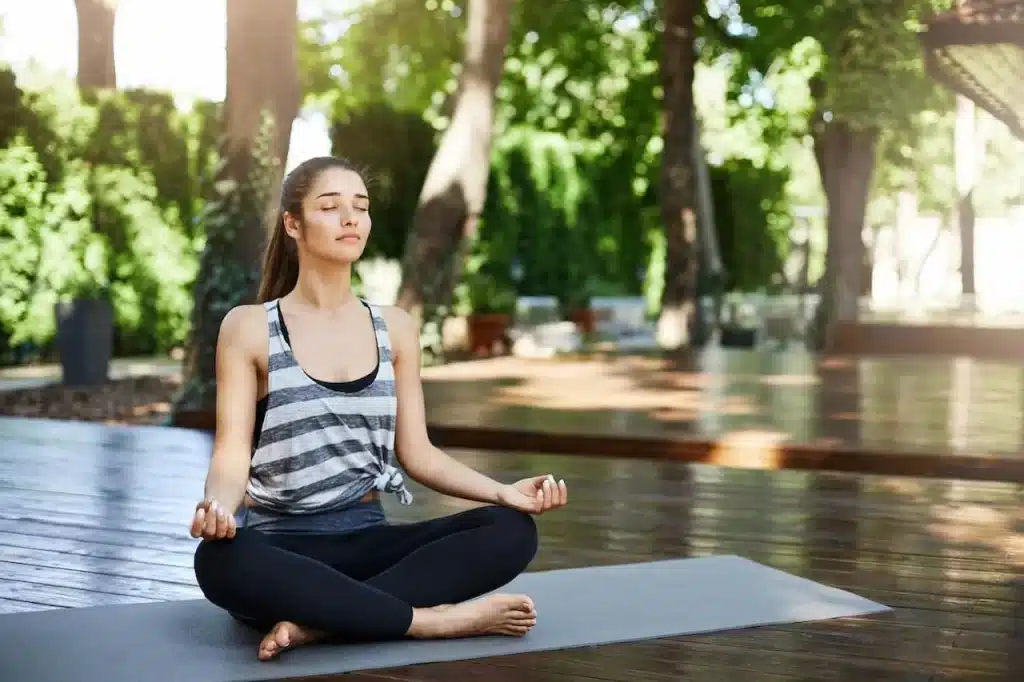
Mindfulness meditation has gained popularity in recent years as a powerful technique for reducing stress and enhancing mental clarity. At its core, mindfulness involves paying attention to the present moment without judgment. It encourages you to become more aware of your thoughts, emotions, and physical sensations, enabling you to react less impulsively to stressors.
How It Works:
Mindfulness meditation has been shown to activate the parasympathetic nervous system, which helps reduce heart rate and blood pressure. This relaxation response counteracts the physical effects of stress and allows the body to return to a state of balance.
A study published in JAMA Internal Medicine found that mindfulness meditation programs significantly reduced symptoms of anxiety, depression, and pain, making it an excellent tool for stress reduction (Goyal et al., 2014).
How to Practice Mindfulness Meditation:
- Start small: Begin with just 5-10 minutes of mindful breathing or guided meditation each day.
- Focus on your breath: Pay attention to your inhales and exhales, allowing your thoughts to come and go without attachment.
- Use an app: Tools like Headspace or Calm offer guided sessions that can help you get started.
By setting aside time to practice mindfulness, you can effectively reduce stress and improve your emotional resilience.
2. Aromatherapy: The Calming Effects of Essential Oils
Aromatherapy, the use of essential oils to improve physical and emotional well-being, has been practiced for centuries. Essential oils are derived from plants and contain compounds that have various therapeutic properties. Certain scents can have a powerful effect on the brain, helping to reduce stress, calm the mind, and promote relaxation.
How It Works:
The use of essential oils in aromatherapy can influence the limbic system, the part of the brain responsible for emotions. Scents such as lavender, chamomile, and sandalwood have been shown to reduce cortisol levels (the stress hormone) and induce feelings of calm.
A study published in Frontiers in Psychology found that lavender essential oil significantly reduced cortisol levels in participants, indicating its effectiveness in managing stress (Zhao et al., 2017).
Popular Essential Oils for Stress Relief:
- Lavender: Known for its calming properties, lavender is one of the most effective oils for stress reduction.
- Bergamot: This citrusy oil has mood-lifting properties and can help reduce anxiety.
- Frankincense: Often used in meditation, this oil helps promote deep relaxation and peace.
How to Use Aromatherapy:
- Diffusers: Use an essential oil diffuser to disperse calming scents throughout your space.
- Baths: Add a few drops of essential oil to your bathwater for a relaxing soak.
- Topical application: Dilute essential oils with a carrier oil like coconut or jojoba oil and apply to pulse points, such as wrists or behind the ears.
Aromatherapy provides an accessible and natural way to combat stress, especially when combined with other wellness practices.
3. Exercise: Moving Your Body to Relieve Stress
Physical activity is one of the most effective ways to manage and reduce stress naturally. Exercise has long been recognized for its mental health benefits, and recent studies continue to reinforce its importance in stress reduction. When you engage in physical activity, your brain releases endorphins, the body’s natural “feel-good” hormones that improve mood and reduce the perception of stress.
How It Works:
Exercise helps lower cortisol levels and releases endorphins, which are known to improve mood and reduce feelings of anxiety. Even just a short burst of physical activity can improve your mood and help clear your mind.
According to the American Psychological Association, exercise can be a highly effective way to reduce stress, especially when practiced regularly (APA, 2019). Whether it’s a brisk walk, yoga, or an intense workout session, moving your body can provide immediate relief from stress and improve your long-term mental health.
Types of Exercise That Help Reduce Stress:
- Aerobic exercise: Running, cycling, or swimming are great ways to get your heart pumping and reduce stress.
- Yoga: Combining gentle movements with deep breathing, yoga is a perfect way to calm the mind and reduce tension in the body.
- Strength training: Lifting weights or doing bodyweight exercises helps to release pent-up stress and improve mood.
How to Incorporate Exercise into Your Routine:
- Start small: Aim for 20-30 minutes of exercise at least three times a week.
- Mix it up: Try different forms of exercise to find what works best for you. You might enjoy a combination of yoga and strength training for stress relief.
- Set achievable goals: Create a fitness routine that fits into your schedule, so you’re more likely to stick with it.
Regular exercise can significantly reduce stress and enhance your overall well-being.
Conclusion: Integrating Wellness Practices into Daily Life
Stress is an inevitable part of modern life, but that doesn’t mean it has to take over your well-being. By incorporating mindfulness meditation, aromatherapy, and regular exercise into your daily routine, you can effectively reduce stress and cultivate a more balanced life. These natural wellness practices are not only easy to integrate but also provide long-term benefits for both your mind and body.
Remember, consistency is key. By making these practices a part of your lifestyle, you’ll gradually build resilience against stress, allowing you to handle life’s challenges with greater ease and calm.
References:
- Goyal, M., Singh, S., Sibinga, E. M. S., Gould, N. F., Rowland-Seymour, A., Sharma, R., & Mishra, S. (2014). Meditation programs for psychological stress and well-being: A systematic review and meta-analysis. Available at: https://jamanetwork.com (Accessed: 23 September 2025)
- Zhao, B., Li, J., Gu, Q., & Liu, S. (2017). Effects of aromatherapy with lavender essential oil on reducing anxiety in patients undergoing endoscopic retrograde cholangiopancreatography: A randomized controlled trial. Available at: https://www.frontiersin.org (Accessed: 23 September 2025)
- American Psychological Association (APA). (2019). The Exercise Effect. Available at: https://www.apa.org (Accessed: 23 September 2025)

 Smart Home Solutions That Simplify Daily Life