Interior Design Trends That Encourage Creativity
Henry Caldwell September 23, 2025
In the ever-evolving world of interior design, certain trends stand out as powerful tools for nurturing creativity within the home. As more people look to make their living spaces not just functional but inspirational, the importance of creative design choices has never been more apparent. Whether it’s through the use of color, layout, or textures, home interiors have the potential to spark innovative thinking and foster a creative atmosphere. Here, we explore the latest interior design trends that do just that.
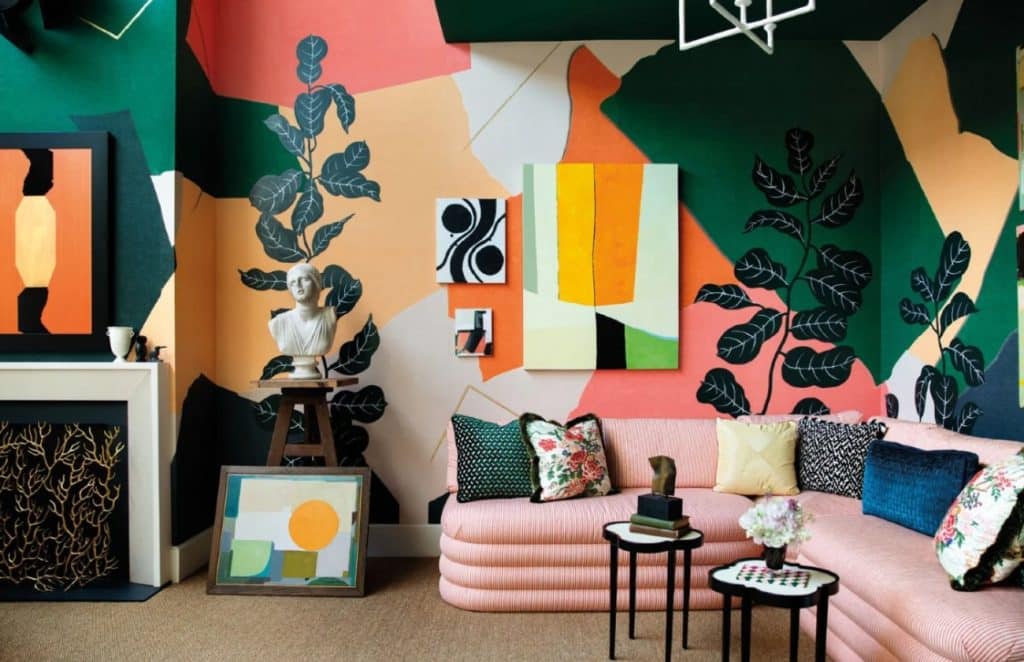
1. Bold Colors to Ignite Inspiration
Color has long been known for its psychological impact, but its role in creative design is more profound than ever. Recent trends emphasize bold, vibrant colors that can stimulate the mind and boost creativity.
Key Colors for Creativity:
- Vibrant Blues: Known for their calming effects, shades of blue can enhance focus and clarity, making it an excellent choice for creative spaces such as studios or offices.
- Energizing Yellows: Yellow is associated with happiness and optimism, creating an energetic environment that encourages new ideas. Its bright and sunny disposition can be perfect for communal areas where brainstorming or casual collaboration takes place.
- Earthy Greens: Symbolizing balance and growth, green is a versatile color that works well in spaces where relaxation and creativity must go hand-in-hand, such as reading nooks or personal workspaces.
By selecting bold, yet harmonious colors, homeowners can influence their mood and productivity, making their home a sanctuary for creative thinking.
2. Open-Concept Layouts for Flow and Flexibility
Incorporating open-concept layouts is another trend that encourages creativity. When walls are removed and spaces are allowed to flow into each other, it helps the mind relax and fosters a sense of freedom.
An open layout not only physically allows for more fluid movement but also encourages mental flow, giving occupants the freedom to rearrange furniture, experiment with design elements, and explore new ways of organizing their spaces.
For creatives, this flexibility is key. Designers can have flexible workstations, collaborative zones, and quiet corners all within a single space, making it easier to shift between tasks or moods as needed.
3. Sustainable Design Practices
Sustainability is no longer just a buzzword but a key pillar of modern interior design. The rise of eco-friendly materials like bamboo, recycled glass, and organic textiles is not only contributing to the planet’s well-being but also fostering a sense of connection and mindfulness in the home.
Creative Sustainability:
- Reclaimed Wood: Using reclaimed wood for furniture or accents is an excellent way to add rustic charm while encouraging creativity. The unique character of each piece sparks new ideas for how to incorporate them into a design.
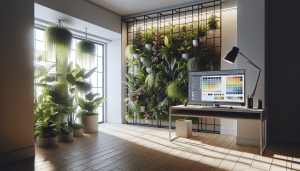
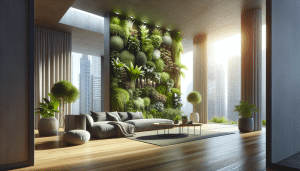
- Biophilic Design: Incorporating elements of nature, like living walls or indoor plants, fosters creativity by creating a calming environment. Plants not only purify the air but also add a sense of tranquility that can help spark imaginative thoughts.
Embracing sustainability doesn’t just make your home more eco-conscious; it can also open the door to creative reuse of materials and promote innovative thinking.
4. Multi-Functional and Modular Furniture
As homes become more compact and functional, the need for adaptable furniture grows. Modular furniture pieces that can be rearranged and repurposed are a fantastic way to maximize space while maintaining a creative atmosphere.
This trend is ideal for those who work from home or have dynamic lifestyles. Modular pieces allow for quick changes, whether you need a bigger workspace one day or a cozy area to relax and think the next. The ability to shift and reorganize the furniture based on your needs promotes adaptability and creative problem-solving.
5. Textural Contrast for Sensory Stimulation
Another growing trend in interior design is the use of contrasting textures to stimulate the senses. Combining smooth, glossy surfaces with rougher, more tactile materials can encourage a creative mindset by offering sensory variety.
Imagine a modern glass coffee table paired with a velvet sofa or a metal sculpture next to a wool rug. These contrasts create visually and physically stimulating environments that invite people to engage with the space in more meaningful ways.
How Textures Enhance Creativity:
- Soft Fabrics: Plush fabrics like velvet and cotton provide a sense of comfort that promotes mental relaxation, which is necessary for creativity.
- Hard Surfaces: The inclusion of materials like marble, glass, or metal can provide an edge to the design, stimulating the intellect and providing a dynamic atmosphere.
Combining textures within a room encourages exploration and a tactile relationship with the environment, which can inspire innovative thinking.
6. Personalized Spaces for Unique Expression
In 2025, personalization is at the forefront of design trends. More people are opting for designs that reflect their personalities and interests, whether through custom furniture, unique artworks, or DIY projects.
This trend allows individuals to create spaces that not only function for their needs but also stimulate their creative process. A personalized space provides inspiration because it connects the occupant with their passions and style.
Personalization Ideas:
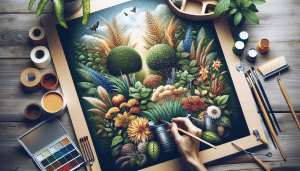
- Customized Artwork: Commissioning artwork or creating a gallery wall that reflects personal experiences can turn any room into a dynamic space for creative expression.
- DIY Projects: Engaging in DIY decor projects, such as custom shelves, upcycled furniture, or hand-painted tiles, encourages creativity and allows individuals to contribute personally to their environment.
Personalizing a space helps foster a deeper connection with one’s home, which in turn promotes a more creative and inspired lifestyle.
7. Technology Integration for Smart Spaces
The future of home design is undoubtedly influenced by technology, and smart homes are leading the way. But it’s not just about controlling lights and temperature with an app. Smart technology can also inspire creativity by providing the tools to experiment and organize more efficiently.
Smart Design for Creativity:
- Smart Lighting: Adjustable lighting that changes colors and intensities can help set the mood for creative work. A calm, soft light can aid concentration, while brighter lighting can energize the room for brainstorming sessions.
- Integrated Sound Systems: The ability to play music or white noise throughout the home can help establish an environment conducive to creativity. Music can stimulate the mind, and ambient sounds can provide a relaxing backdrop.
By integrating these technologies into your interior design, you’re not only enhancing the functionality of your space but also making it easier to foster a creative atmosphere.
Conclusion
The interior design trends of 2025 are all about creating spaces that inspire creativity. From bold color schemes to flexible layouts and personalized touches, these trends encourage imaginative thinking and foster an environment conducive to innovation. Whether you’re a designer, artist, or someone simply looking to refresh your home, embracing these trends can help you create a space where creativity thrives.
References
- Harvey, G. (2023). How color impacts creativity in design: A comprehensive guide. Available at: https://www.interiordesignmag.com (Accessed: 23 September 2025)
- Wilson, R. (2024). Embracing sustainability in home design: The role of eco-friendly materials in stimulating creativity. Available at: https://www.greenlivinginteriors.com (Accessed: 23 September 2025)
- Smith, L. (2024). The future of modular furniture: How it enhances creativity and flexibility in home design. Available at: https://www.furnituretoday.com (Accessed: 23 September 2025)

 Fitness Routines That Are Easy to Maintain