Emerging Trends in Sustainable Real Estate
Henry Caldwell September 23, 2025
The real estate sector is undergoing a revolutionary shift toward sustainability, driven by both consumer demand and the urgent need to address environmental concerns. As the world grapples with the effects of climate change, a growing number of developers and homeowners are embracing eco-friendly practices, turning sustainable real estate from a niche concept into a mainstream movement. Among the most significant emerging trends in sustainable real estate is the rise of eco-friendly communities—neighborhoods designed with a focus on reducing carbon footprints, conserving natural resources, and enhancing the quality of life for residents.
What Are Eco-Friendly Communities?
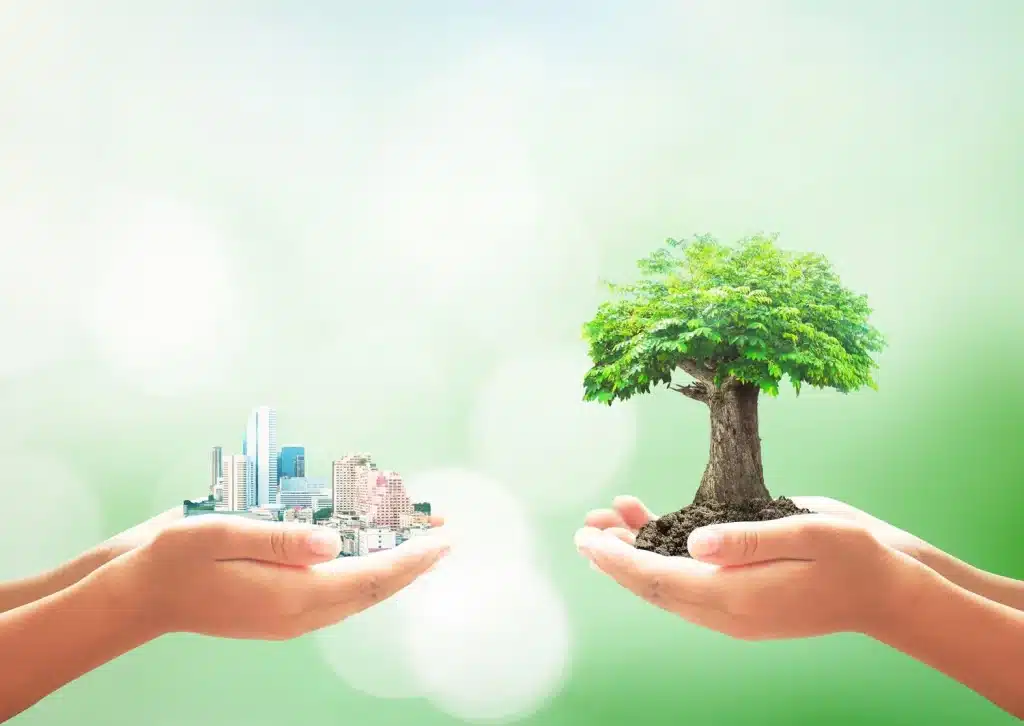
Eco-friendly communities are built with sustainability at their core. These neighborhoods are designed to minimize environmental impact while fostering a high quality of life. The concept goes beyond just incorporating green building materials or energy-efficient technologies into individual homes. It encompasses entire communities that prioritize renewable energy, waste reduction, green spaces, sustainable transport options, and water conservation. These neighborhoods are not only environmentally conscious but also socially responsible, creating spaces where residents can live harmoniously with nature while reducing their ecological footprint.
The Benefits of Eco-Friendly Communities
1. Environmental Impact
The primary goal of eco-friendly communities is to reduce environmental harm. By incorporating renewable energy sources such as solar panels and wind turbines, these communities can significantly decrease their reliance on fossil fuels. Additionally, sustainable construction practices—such as using recycled materials, implementing water-efficient systems, and utilizing non-toxic paints and finishes—reduce waste and pollution. According to the U.S. Green Building Council (USGBC), green buildings use 25-30% less energy, reducing the carbon footprint of the entire community.
2. Cost Savings for Residents
One of the most appealing aspects of eco-friendly communities is the potential for long-term savings. Homes in these neighborhoods are often designed to be energy-efficient, with smart thermostats, high-quality insulation, and low-energy lighting. These features help reduce utility bills, allowing residents to save money while contributing to the planet’s well-being. Moreover, eco-friendly homes may also qualify for tax incentives, rebates, and grants, which further reduce the cost of ownership.
3. Enhanced Quality of Life
Sustainability isn’t just about energy efficiency—eco-friendly communities also focus on improving the overall living experience. Many of these communities are designed with walkability in mind, offering pedestrian-friendly streets, bike lanes, and access to public transportation. This reduces dependence on cars, leading to less traffic, lower pollution levels, and a healthier lifestyle. Green spaces, community gardens, and parks are often integrated into the design to promote mental and physical well-being. These features not only benefit the environment but also enhance the overall quality of life for residents.
Key Challenges in Implementing Sustainable Real Estate
Despite the many benefits, creating eco-friendly communities presents significant challenges for developers and urban planners. One of the primary hurdles is the upfront cost of building sustainable infrastructure. While green construction practices and renewable energy systems can lead to long-term savings, they often come with higher initial costs. This can make it more difficult for developers to attract investors, especially in areas where the demand for sustainable homes is still growing.
Furthermore, there is a lack of uniform regulations and standards governing sustainable real estate development. While some regions have robust green building codes and incentives, others lag behind in terms of policies and enforcement. This creates inconsistencies across the market, making it difficult for consumers to navigate the complexities of sustainable homeownership.
The Future of Sustainable Real Estate: A Greener Tomorrow
The future of sustainable real estate looks promising. As awareness of climate change and environmental sustainability continues to grow, demand for eco-friendly communities is expected to surge. The global push for carbon neutrality, coupled with advancements in green technologies, will likely lead to a more sustainable real estate landscape.
In fact, major cities around the world are already making strides toward incorporating sustainable real estate principles. For example, the Netherlands’ “The Green Village” is an experimental neighborhood that focuses on zero-carbon living. Similarly, in the U.S., California’s commitment to sustainable building practices has led to the creation of eco-friendly communities that are setting new standards for energy efficiency.
Key Trends to Watch:
- Smart Cities: The integration of digital technologies into eco-friendly communities is on the rise. From smart homes with energy-efficient systems to city-wide initiatives that utilize data for optimizing traffic flow and waste management, smart cities are expected to become more prevalent.
- Sustainable Materials: As demand for green buildings increases, developers will increasingly use sustainable materials such as bamboo, recycled steel, and reclaimed wood, which have lower environmental impacts compared to traditional building materials.
- Sustainable Transportation: Electric vehicle charging stations, bike-sharing programs, and proximity to public transit will become standard features in new eco-friendly communities.
- Water Conservation Technologies: With water scarcity becoming a pressing issue in many parts of the world, sustainable real estate developers will adopt water-saving technologies like rainwater harvesting systems, low-flow faucets, and water-efficient landscaping.
Conclusion: Embrace Sustainability for a Better Future
Eco-friendly communities are reshaping the future of real estate, and the trend is only gaining momentum. By integrating renewable energy, sustainable materials, and green spaces into the design of entire neighborhoods, these communities are not only reducing environmental impact but also improving the quality of life for their residents. Although challenges remain in terms of cost and regulation, the benefits far outweigh the obstacles. For homeowners and developers looking to invest in the future, the emergence of sustainable real estate presents a unique opportunity to make a positive impact on both the planet and the community.
As the demand for sustainable living grows, the future of real estate will undoubtedly be greener, more energy-efficient, and more in tune with the environment. It’s time to take action and embrace the future of sustainable real estate.
References
- U.S. Green Building Council. (n.d.). Green building facts. U.S. Green Building Council. Available at: https://www.usgbc.org (Accessed: 23 September 2025)
- International Energy Agency. (2020). Energy efficiency 2020: Analysis and outlooks to 2024. International Energy Agency. Available at: https://www.iea.org (Accessed: 23 September 2025)
- The Green Building Council. (2019). The future of sustainable real estate: Trends to watch in 2020. Green Building Council. Available at: https://www.gbce.org.au (Accessed: 23 September 2025)

 Travel Destinations That Combine Learning and Leisure