Gardening Ideas That Encourage Biodiversity
Henry Caldwell September 23, 2025
In the face of growing environmental concerns, the importance of biodiversity cannot be overstated. Gardens, whether large or small, offer an excellent opportunity to support a wide range of species—both plants and animals. By incorporating biodiversity-friendly practices into our gardens, we can make a positive impact on the environment, promoting healthier ecosystems and stronger resilience to climate change. In this article, we will explore innovative gardening ideas that encourage biodiversity, providing practical tips that will help you transform your garden into a vibrant haven for wildlife.
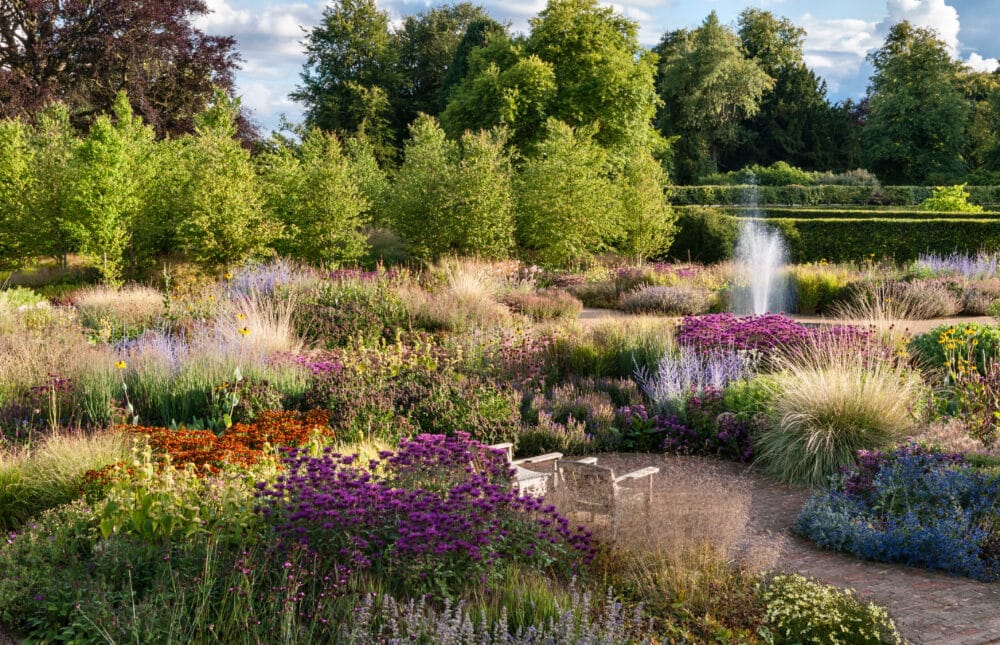
What is Biodiversity in Gardening?
Biodiversity refers to the variety of life forms in a given environment, including plants, animals, fungi, and microorganisms. In gardening, promoting biodiversity means creating a garden that supports a range of species and provides different habitats for them to thrive. This approach goes beyond simply growing a variety of plants; it involves understanding the needs of different organisms and designing your garden to accommodate them.
1. Native Plants: The Foundation of Biodiversity
One of the simplest and most effective ways to encourage biodiversity is to plant native species. Native plants are adapted to the local climate and soil conditions, making them easier to maintain while offering critical resources to local wildlife, including pollinators, birds, and insects. These plants are essential because they provide the specific food and shelter that native species require.
- Benefits: Native plants are more resilient to pests and diseases, reducing the need for harmful pesticides. Additionally, they support a higher number of local pollinators like bees and butterflies, which are crucial for food production and ecosystem health.
- Examples: Consider planting local wildflowers, grasses, shrubs, and trees. Some popular choices for biodiversity-friendly gardens include milkweed for monarch butterflies, echinacea for bees, and oaks for birds seeking nesting sites.
2. Pollinator-Friendly Practices
Pollinators like bees, butterflies, and birds play an essential role in the reproduction of many plants. Without these creatures, many plants, including crops, would fail to produce. You can support pollinators in your garden by providing the right environment and resources.
- Planting a Variety of Flowers: Choose a mix of flowering plants that bloom at different times of the year. This ensures a steady food supply throughout the growing season. Opt for flowers that are rich in nectar and pollen, such as lavender, sunflowers, and asters.
- Creating Pollinator Habitats: Provide areas for pollinators to rest, such as small shrubs or unmowed areas where bees can nest. Additionally, leaving some dead wood or leaves around will create shelters for insects and other beneficial creatures.
- Avoiding Pesticides: Chemicals intended to control pests can often harm beneficial pollinators. By using organic or natural pest control methods, you can help protect these important species.
3. Creating Habitats for Wildlife
A garden that promotes biodiversity isn’t just about the plants—it’s also about creating habitats for the creatures that live there. Incorporating structures and features that support wildlife will encourage a wider variety of animals to take up residence in your garden.
- Water Features: A small pond or birdbath provides a water source for many species, from birds to amphibians. Water features can also support aquatic plants and insects like dragonflies, further enriching the garden ecosystem.
- Wildlife Corridors: Connect your garden to nearby green spaces by planting hedgerows or creating pathways for wildlife to travel through. This allows species to move freely between different areas, enhancing genetic diversity and providing access to additional food sources and shelter.
- Habitat Structures: Consider installing birdhouses, bat boxes, and insect hotels. These structures provide much-needed shelter for species like birds, bats, and solitary bees, which are often in decline due to habitat loss.
4. Sustainable Gardening Practices
Sustainable gardening is integral to promoting biodiversity. Using eco-friendly practices ensures that your garden has a positive impact on the environment while supporting diverse life forms.
- Composting: Composting reduces waste and provides nutrient-rich soil, which in turn encourages healthy plant growth. Healthy plants are better able to attract beneficial insects and wildlife.
- Rainwater Harvesting: Collecting and using rainwater for your garden helps reduce the demand for freshwater resources and ensures that your plants thrive even in dry conditions.
- Minimizing Lawn Areas: Large expanses of turf grass often provide little to no benefit for wildlife. Consider replacing part of your lawn with ground covers, shrubs, or wildflowers that support more species.
5. Organic Gardening: A Chemical-Free Zone
Using organic methods in your garden helps protect biodiversity by reducing the impact of chemicals on the surrounding environment. Pesticides, herbicides, and synthetic fertilizers can harm beneficial insects, pollinators, and soil organisms, all of which contribute to a healthy ecosystem.
- Natural Pest Control: Instead of relying on chemical pesticides, use natural pest control methods such as introducing predatory insects like ladybugs or using organic sprays made from neem oil or insecticidal soap.
- Healthy Soil Practices: Healthy soil is the foundation of a thriving garden ecosystem. Use organic mulch, compost, and crop rotation to maintain soil fertility and encourage a diverse community of organisms in the soil, such as earthworms and beneficial microbes.
6. Encouraging Beneficial Insects and Birds
Birds, insects, and small mammals play vital roles in maintaining ecological balance. They help with pest control, pollination, and seed dispersal. To encourage these species, it’s essential to provide the right conditions.
- Bird Feeders and Baths: Offering bird feeders and baths can attract a variety of species to your garden. Choose feeders that cater to local bird species, and provide clean water regularly.
- Insect Hotels: An insect hotel provides a safe place for solitary bees, ladybugs, and other insects to shelter and breed. These insects are crucial for pollination and natural pest control.
Conclusion
Gardening that encourages biodiversity not only makes your outdoor space more vibrant and beautiful but also contributes to the health of the environment. By incorporating native plants, creating wildlife habitats, adopting sustainable practices, and minimizing chemicals, you can make a real difference. Biodiversity-friendly gardens support ecosystems, promote resilience to climate change, and provide a sanctuary for both wildlife and people. Start with a few simple changes and watch your garden become a thriving, sustainable ecosystem that benefits all life forms.
References:
- National Audubon Society (2021). Why Native Plants Matter. Available at: https://www.audubon.org (Accessed: 23 September 2025)
- The Wildlife Trusts (2021). Creating Wildlife Habitats in Your Garden. Available at: https://www.wildlifetrusts.org (Accessed: 23 September 2025)
- BBC Earth (2021). The Importance of Pollinators in Our Ecosystem. Available at: https://www.bbcearth.com (Accessed: 23 September 2025)

 Smart Finance Practices That Simplify Budgeting