Interior Organization Ideas That Boost Productivity
Henry Caldwell September 23, 2025
In today’s fast-paced world, productivity often depends on the environment in which you work or live. It’s no surprise that home organization has become a major factor in how people manage their time and tasks. The way we organize our home, whether it’s a home office, living room, or kitchen, plays a significant role in how efficiently we can complete our daily tasks.
Here’s the good news: You don’t have to spend a fortune on new furniture or hire an expensive designer to boost productivity at home. With a few strategic changes, you can turn your home into a well-organized space that promotes focus, creativity, and efficiency. Let’s dive into some of the most effective interior organization ideas that will give your productivity a major boost.
1. Designate Zones for Different Activities
One of the most impactful ways to improve productivity at home is by designating specific zones for different activities. Whether it’s a home office, a study area, or a space for relaxation, having clearly defined areas can help you stay focused.
- Work zones: Set up a quiet, clutter-free desk with all the tools you need to work efficiently.
- Rest zones: Create a cozy area where you can unwind without distractions.
- Kitchen zones: Keep cooking, prep, and storage areas clearly organized to minimize stress when preparing meals.
According to a study from the National Institute of Occupational Safety and Health, a well-organized workspace can improve focus and reduce mental fatigue, which boosts productivity.
2. Use Vertical Storage for Space Efficiency
When it comes to organizing small spaces, using vertical storage is a game-changer. Vertical space is often underutilized, but with a few tweaks, it can make your home more organized and decluttered.
- Install shelves above your desk or work area for easy access to items.
- Use hooks or pegboards for hanging bags, jackets, and tools.
- Opt for tall storage units or cabinets that don’t take up much floor space.
By keeping items off the floor and within easy reach, you reduce the time spent looking for things, ultimately increasing your efficiency and productivity.
3. Declutter and Simplify Your Space
The minimalist trend isn’t just about aesthetics; it’s about creating an environment that fosters clarity and productivity. Decluttering your space can significantly reduce distractions, allowing you to focus more on the task at hand.
- Go through your belongings: Regularly review and donate or dispose of items you no longer need.
- Keep only essential items on surfaces: Clear surfaces help maintain a clean, organized feel and can help your brain stay uncluttered.
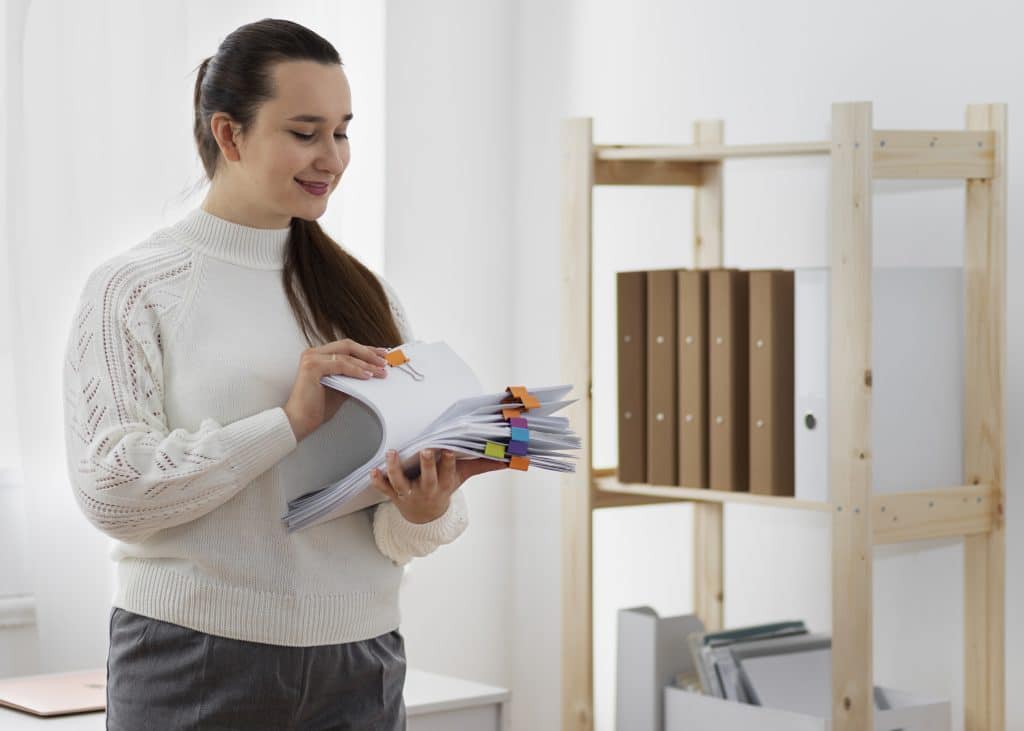
- Use storage boxes: Organize loose items like paperwork, cables, and office supplies into storage bins to minimize chaos.
A study from the Princeton University Neuroscience Institute found that clutter can reduce your ability to focus and process information, which in turn, negatively affects your productivity.
4. Optimize Lighting for Maximum Focus
Good lighting can make a huge difference in how productive you feel. Poor lighting can lead to eye strain and fatigue, while well-lit spaces can energize you and help improve focus. Consider the following:
- Natural light: Place your work desk near a window for access to natural light. Studies have shown that exposure to natural light during the day increases productivity and overall well-being.
- Task lighting: Use adjustable desk lamps with soft, warm light to minimize eye strain during long hours of work.
- Ambient lighting: Use soft ambient lighting in your relaxation zones to create a calm atmosphere.
By ensuring that every space in your home has the right lighting, you can avoid headaches, improve focus, and enhance your overall productivity.
5. Implement the “One In, One Out” Rule
One of the simplest yet most effective strategies for home organization is the “One In, One Out” rule. For every new item you bring into your home, make sure to get rid of one old item. This helps prevent unnecessary clutter and keeps your space organized.
- Apply it to clothing: Donate or sell items you no longer wear before adding something new.
- Organize books: If you buy a new book, donate one from your collection.
- Office supplies: If you purchase a new notebook, dispose of one that’s no longer useful.
This rule encourages mindful purchasing and helps keep your space free from clutter, allowing for a more focused and productive environment.
6. Keep Digital Clutter in Check
As our lives become increasingly digital, digital clutter has become a major productivity killer. Managing digital files, emails, and documents is just as important as organizing physical spaces.
- Organize your files: Create a file system that works for you, whether it’s by project, date, or importance.
- Use cloud storage: Store documents in cloud storage platforms like Google Drive or Dropbox to reduce physical clutter and make files accessible from anywhere.
- Set up email filters: Organize your inbox by setting up filters and folders to keep your emails organized.
By reducing digital clutter, you can stay organized and focused, allowing your productivity to soar.
7. Create a Morning Routine Station
The beginning of your day sets the tone for your productivity. To streamline your mornings, create a designated space where you can prepare for the day ahead:
- Set up a landing station: Place items like your keys, wallet, and phone in a specific spot so they’re easy to grab on your way out.
- Prepare breakfast essentials: Keep your coffee maker, toaster, and other breakfast tools within reach for a smooth start to your day.
- Include your planner: Keep your planner or to-do list in the morning routine area so you can review your schedule before leaving the house.
Having a designated morning station reduces stress and allows for a smoother, more productive start to the day.
8. Adopt Multifunctional Furniture
For smaller homes or apartments, multifunctional furniture is a lifesaver. This type of furniture allows you to maximize your space without sacrificing comfort or functionality.
- Look for desks with built-in storage.
- Opt for ottomans that double as storage or seating.
- Choose beds with storage drawers underneath.
By using furniture that serves multiple purposes, you can keep your living space organized and functional, helping you stay productive throughout the day.
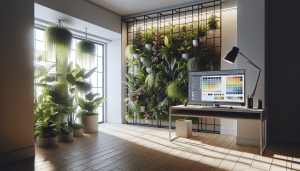
9. Incorporate Greenery into Your Home
Plants are more than just decorative. Studies show that having plants in your home can improve concentration, boost mood, and reduce stress. They also help purify the air, creating a more refreshing and productive environment.
- Place small plants on your desk or windowsills.
- Consider larger indoor plants like succulents, snake plants, or ferns to decorate your living space.
- Choose low-maintenance plants if you’re not great at gardening.
Adding greenery to your home can enhance your mood and productivity by creating a peaceful, calming atmosphere.
10. Establish Clear Cleaning Habits
Finally, maintaining a clean home is crucial for maintaining an organized and productive environment. When your home is consistently tidy, you’ll feel more motivated to stay productive.
- Daily tidying routine: Set aside 15 minutes each day to tidy up your workspace and other areas.
- Weekly deep cleaning: Allocate time for weekly cleaning to keep your home looking fresh and organized.
- Stay on top of laundry: Avoid piles of laundry by doing small loads throughout the week.
A clean home reduces distractions, promotes focus, and sets the stage for higher productivity.
Conclusion
Organizing your home to boost productivity doesn’t require drastic changes. By making small adjustments, like creating designated zones, utilizing vertical storage, and maintaining a clutter-free environment, you can create a space that fosters focus and efficiency. Implement these strategies today, and transform your home into a productivity powerhouse that supports your success.
References
- Princeton University Neuroscience Institute. (n.d.). The effects of clutter on cognitive function. Available at: https://www.princeton.edu (Accessed: 23 September 2025)
- National Institute for Occupational Safety and Health. (2021). Workplace organization and its impact on mental and physical health. Available at: https://www.cdc.gov (Accessed: 23 September 2025)
- Allen, T. (2020). How organizing your space can improve productivity. Available at: https://www.psychologytoday.com (Accessed: 23 September 2025)

 Wellness Routines That Enhance Daily Energy