Gardening Tips That Maximize Plant Growth
Henry Caldwell September 22, 2025
Gardening in 2025 is not only about cultivating beautiful plants but also about adopting sustainable and innovative techniques that maximize growth while supporting the environment. One of the most talked-about trends today is regenerative gardening—a holistic approach that goes beyond traditional methods by improving soil health, conserving resources, and creating self-sustaining ecosystems. These gardening tips that maximize plant growth are practical, eco-friendly, and ideal for home gardeners seeking both productivity and resilience.
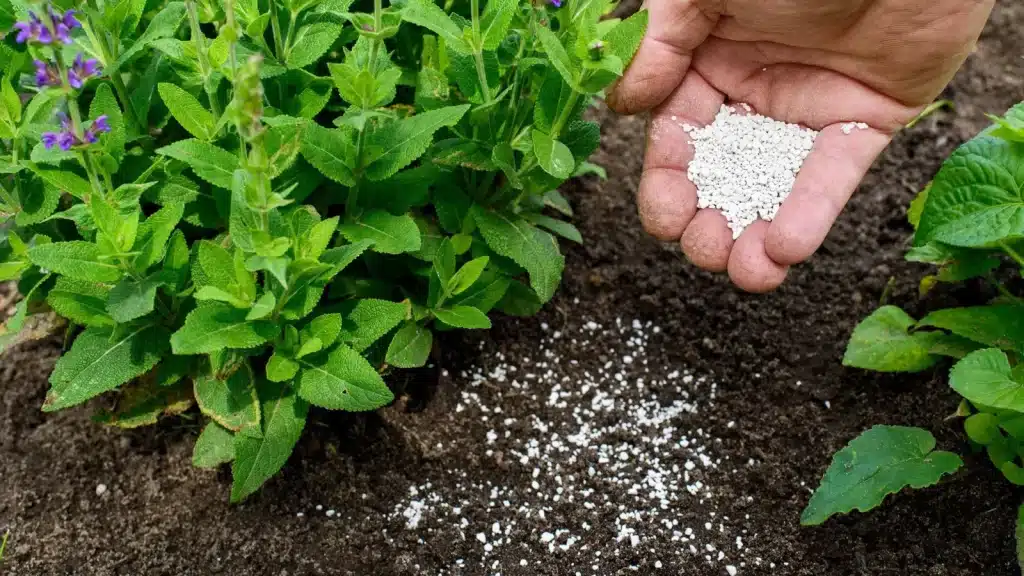
Why Regenerative Gardening Matters
Unlike conventional gardening, which often relies heavily on fertilizers and pesticides, regenerative gardening focuses on rebuilding soil fertility naturally. Healthy soil teems with microbes, fungi, and nutrients that allow plants to grow stronger, resist pests, and produce more abundant harvests. This approach aligns with global sustainability goals, as it reduces chemical inputs and promotes carbon sequestration in soil.
According to the Food and Agriculture Organization (FAO), nearly one-third of the world’s land is already degraded, making soil health a pressing issue. Regenerative practices are increasingly recognized as a solution, helping gardeners play a small but meaningful role in addressing climate change and food insecurity. For home gardeners, it means healthier plants, fewer problems with pests and diseases, and better yields from the same space.
Practical Gardening Tips That Maximize Plant Growth
Here are actionable regenerative techniques that any gardener can apply to achieve healthier, more productive plants:
1. Build Soil Health with Compost
Compost is the foundation of regenerative gardening. Adding organic matter such as kitchen scraps, leaves, and grass clippings enriches the soil with nutrients and improves water retention. A well-balanced compost pile (greens + browns + moisture + air) provides slow-release fertility that boosts plant growth naturally.
Tip: Add 2–3 inches of compost to garden beds each season. If you don’t generate enough at home, many municipalities now provide free compost programs sourced from community green waste.
2. Practice No-Till Gardening
Turning the soil may seem beneficial, but it often disrupts delicate microbial networks and releases stored carbon. No-till methods preserve soil structure, allowing roots, fungi, and beneficial organisms to thrive.
Tip: Instead of tilling, layer compost and mulch directly on top of your garden bed. Over time, soil life will naturally incorporate the material, reducing weeds and creating a more fertile environment.
3. Use Cover Crops for Nutrient Cycling
Cover crops—like clover, rye, or vetch—protect bare soil, prevent erosion, and add nutrients when cut back or incorporated. These plants fix nitrogen, improve organic matter, and create a living mulch that fosters healthier garden beds.
Tip: Plant cover crops in fall or early spring to prepare beds for high-yield summer crops. Some, like buckwheat, also attract pollinators and beneficial insects.
4. Integrate Companion Planting
Companion planting leverages natural plant partnerships. For instance, planting basil near tomatoes can enhance flavor and deter pests, while marigolds release compounds that suppress harmful nematodes. Tall crops like corn can also provide shade for heat-sensitive greens.
Tip: Use companion planting charts or apps to design your beds with diverse pairings that reduce pest pressure and encourage biodiversity.
5. Mulch for Moisture and Weed Control
Mulching conserves water, moderates soil temperature, and prevents weeds from overtaking garden beds. Organic mulches like straw, shredded leaves, or wood chips also decompose into valuable nutrients.
Tip: Maintain a 2–3-inch mulch layer, but keep it slightly away from plant stems to avoid rot. Mulch also provides habitat for beneficial organisms like earthworms.
6. Collect and Reuse Rainwater
Water is one of the most precious resources in gardening. Rainwater harvesting reduces reliance on municipal water while providing plants with chlorine-free hydration that supports soil microbes.
Tip: Install a rain barrel system connected to your downspouts. In dry climates, consider drip irrigation systems that use harvested rainwater for efficient delivery.
7. Rotate Crops to Prevent Soil Fatigue
Planting the same crops in the same spot year after year depletes specific nutrients and attracts recurring pests. Crop rotation restores balance and breaks pest and disease cycles.
Tip: Follow a simple three-year rotation:
- Legumes (beans, peas) → fix nitrogen.
- Leafy greens (lettuce, spinach) → use nitrogen.
- Fruiting crops (tomatoes, peppers) → benefit from nutrient-rich soil.
- Root vegetables (carrots, beets) → thrive afterward.
This pattern ensures nutrient cycling and reduces soil exhaustion.
8. Attract Pollinators and Beneficial Insects
Plants depend on pollinators like bees and butterflies to set fruit. Beneficial insects such as ladybugs and lacewings keep pest populations under control. A garden that maximizes plant growth must also support these allies.
Tip: Grow nectar-rich flowers like lavender, coneflower, and sunflowers. Avoid chemical pesticides that harm pollinator populations.
The Role of Technology in Maximizing Plant Growth
Emerging garden technologies are making regenerative practices easier to adopt. Smart soil sensors measure moisture and nutrient levels in real time, helping gardeners fine-tune irrigation and fertilization. AI-driven apps can track planting schedules, monitor weather patterns, and provide reminders for crop rotation. These tools allow gardeners to combine tradition with innovation, ensuring healthier plants and improved yields.
For example, sensors connected to mobile apps can notify you when your soil needs water, preventing both under- and over-watering—two of the most common causes of plant stress. When paired with rainwater systems or drip irrigation, they optimize water use while supporting growth.
Community and Educational Benefits
Beyond plant productivity, regenerative gardening also fosters community resilience. Schools and neighborhood organizations are adopting these methods to teach sustainability, provide fresh food, and build stronger social ties. Urban gardens using regenerative practices help reduce heat islands, increase biodiversity, and create local food networks.
Home gardeners can play a role by sharing surplus produce, swapping seeds, or volunteering in community projects. These efforts magnify the benefits of individual gardens and contribute to broader environmental and social change.
Looking Ahead: A Greener Future for Gardeners
The shift toward regenerative gardening shows no signs of slowing. From suburban backyards to urban community gardens, more people are realizing that sustainable methods are not only environmentally responsible but also directly improve plant health and productivity. By applying these gardening tips that maximize plant growth, individuals can enjoy thriving gardens while contributing to broader ecological balance.
Regenerative gardening is more than a trend—it’s a practical framework that ensures today’s efforts benefit tomorrow’s gardens. For those looking to maximize yields, improve soil health, and garden in harmony with nature, these methods represent the future of sustainable growth.
References
- Food and Agriculture Organization of the United Nations (FAO). (2022). Soil health and sustainable agriculture. Available at: https://www.fao.org (Accessed: 22 September 2025)
- Rodale Institute. (2024). The benefits of regenerative organic gardening. Available at: https://rodaleinstitute.org (Accessed: 22 September 2025)
- National Gardening Association. (2023). Trends in home gardening: Sustainability and soil health. Available at: https://garden.org (Accessed: 22 September 2025)

 Travel Planning Ideas for Budget-Conscious Adventurers