Gardening Tips for Sustainable Landscaping
Henry Caldwell September 19, 2025
Sustainable landscaping is more than just a trend—it’s a necessary shift towards eco-friendly practices that benefit both the environment and our communities. As concerns about climate change and environmental degradation rise, people are becoming more conscious of how their actions, including landscaping practices, impact the planet. Sustainable landscaping not only conserves resources but also supports biodiversity, improves air and water quality, and reduces energy consumption. Whether you have a small urban garden or a sprawling suburban yard, there are several strategies you can adopt to make your outdoor spaces more sustainable.
In this article, we’ll explore practical gardening tips for sustainable landscaping that will help you reduce your carbon footprint and create a more eco-friendly outdoor space.
1. Choose Native Plants
One of the easiest ways to start transforming your garden into a sustainable landscape is by planting native species. Native plants are adapted to the local climate and soil, meaning they require less water, fewer fertilizers, and less pesticide. They’re also more resilient to pests and diseases, making them a great choice for low-maintenance gardening. By choosing native plants, you’ll reduce your reliance on chemical inputs and help support local wildlife, including bees, butterflies, and birds, that depend on these plants for food and shelter.
For example, instead of planting non-native flowers, consider incorporating wildflowers that thrive in your region. Local trees and shrubs also provide habitats for birds and insects, enriching the ecosystem in your garden.
2. Water Wisely
Water conservation is a cornerstone of sustainable landscaping. With increasing concerns about water scarcity, using water efficiently in your garden is crucial. There are several strategies to help you conserve water and still maintain a beautiful garden.
First, consider installing a rainwater harvesting system to collect runoff from your roof. This water can be used to irrigate your plants, reducing your reliance on municipal water sources. Additionally, grouping plants with similar water needs together can help ensure efficient irrigation. Avoid watering during the hottest part of the day, as water evaporates quickly in the heat, and water early in the morning or late in the evening when the temperatures are cooler.
Another effective strategy is mulching. Mulch helps retain moisture in the soil by reducing evaporation and preventing weeds from competing for water. Organic mulches, such as bark or straw, also improve soil health over time as they break down.
3. Reduce Lawn Area
Traditional lawns often require a significant amount of water, fertilizers, and pesticides to stay lush and green, making them unsustainable in many areas. One way to make your garden more sustainable is by reducing the amount of lawn space. Instead, consider replacing part of your lawn with alternatives like ground covers, native grasses, or low-maintenance shrubs.
If you’re not ready to completely eliminate your lawn, try using drought-tolerant grass varieties that require less water and maintenance. Bermuda grass, fescue, and buffalo grass are excellent choices for sustainable lawns that can thrive in dry conditions.
4. Compost for Healthier Soil
Composting is an excellent way to recycle organic matter and enrich your soil naturally. Instead of throwing away food scraps, yard waste, and plant debris, turn them into nutrient-rich compost that will improve the structure of your soil and reduce the need for chemical fertilizers.
Compost helps retain moisture, encourages healthy root growth, and increases soil fertility. It also reduces the amount of organic waste that ends up in landfills, where it would contribute to methane emissions. You can create a compost bin in your backyard or use a compost tumbler for more efficient decomposition.
5. Use Organic Fertilizers
While chemical fertilizers may give your plants a quick boost, they often have long-term negative effects on soil health and the environment. Over time, synthetic fertilizers can deplete the soil of vital microorganisms and contribute to water pollution through runoff.
To make your garden more sustainable, opt for organic fertilizers such as compost, well-rotted manure, or fish emulsion. These natural alternatives not only nourish your plants but also improve the overall health of your soil. If you’re looking for a quick fix, organic fertilizers release nutrients more slowly, providing a steady supply of food to your plants without harming the environment.
6. Support Pollinators
Pollinators, such as bees, butterflies, and birds, play a vital role in our ecosystem by facilitating the reproduction of many plants, including food crops. However, pollinators face numerous threats, including habitat loss, pesticide exposure, and climate change. By planting a variety of nectar-rich flowers and creating a pollinator-friendly habitat in your garden, you can contribute to their conservation.
In addition to planting flowering plants, you can provide water sources, such as shallow birdbaths, and create habitats for pollinators to nest in. A small patch of bare soil can serve as a nesting site for ground bees, while deadwood can provide homes for insects like beetles. By providing these spaces, you’ll be helping to sustain the population of these essential creatures.
7. Implement Sustainable Garden Design
Sustainable landscaping isn’t just about the plants you choose—it’s also about how you design your garden. When planning your garden, think about how to minimize the use of resources while maximizing the benefits to the environment.
Consider creating garden zones based on the sun’s movement throughout the day. Place plants that require more sun in the sunniest spots, and choose shade-loving plants for areas with less light. By positioning plants appropriately, you’ll reduce the need for supplemental watering or artificial shading.
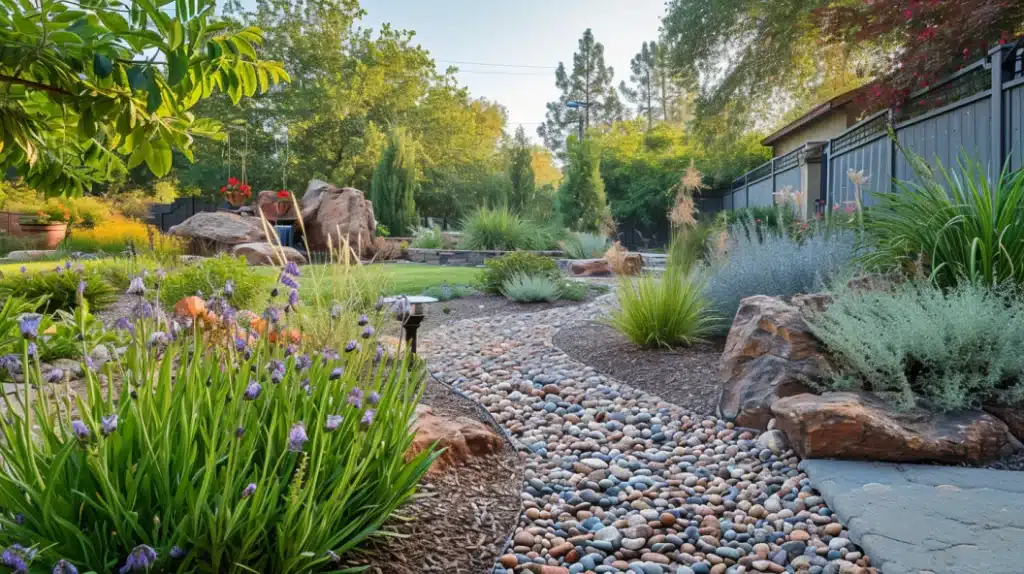
Additionally, try to incorporate hardscaping elements such as permeable pavers, gravel paths, or stone walls that allow rainwater to soak into the ground instead of running off into storm drains. These features help with water retention and reduce the risk of erosion.
8. Create a Wildlife Habitat
A sustainable garden is one that supports a diverse range of life, including insects, birds, and small mammals. You can turn your garden into a wildlife-friendly space by planting a variety of native plants that provide food and shelter for wildlife.
Consider adding trees and shrubs that offer berries, seeds, and nectar for birds and insects. A wildlife pond or small water feature can attract frogs, dragonflies, and other beneficial creatures. Additionally, providing shelter through birdhouses, bat boxes, or insect hotels can help support local wildlife populations.
Conclusion
Sustainable landscaping is a powerful way to make a positive impact on the environment while creating an attractive, low-maintenance garden. By choosing native plants, conserving water, reducing lawn areas, and supporting pollinators, you can build a garden that benefits not only you but the entire ecosystem. Through these simple but effective gardening tips, you can contribute to a greener, more sustainable future.
By adopting sustainable practices in your landscaping, you’ll not only create a more eco-friendly garden but also reduce your environmental footprint and help ensure that future generations can enjoy the natural beauty of the planet.
References:
- Native Plants for Sustainable Landscaping – American Society of Landscape Architects. Available at: https://www.asla.org (Accessed: 19 September 2025)
- Water Conservation Tips for Landscapes – Environmental Protection Agency. Available at: https://www.epa.gov (Accessed: 19 September 2025)
- Composting for Healthy Gardens – National Gardening Association. Available at: https://garden.org (Accessed: 19 September 2025)

 Travel Trends That Encourage Cultural Exploration