The Future of Robotics in Manufacturing and Daily Life
Amira Solberg September 17, 2025
As technology advances, robotics is at the forefront of a revolution transforming both manufacturing and daily life. From self-driving cars to AI-driven industrial robots, automation is no longer a distant future but a present reality. Robotics integration is transforming industries, optimizing production, and altering how we interact with homes and workplaces. This article explores exciting trends in robotics and their impact on the future of manufacturing and daily life.
The Role of Robotics in Manufacturing
1. Automation in Production Lines: A New Era
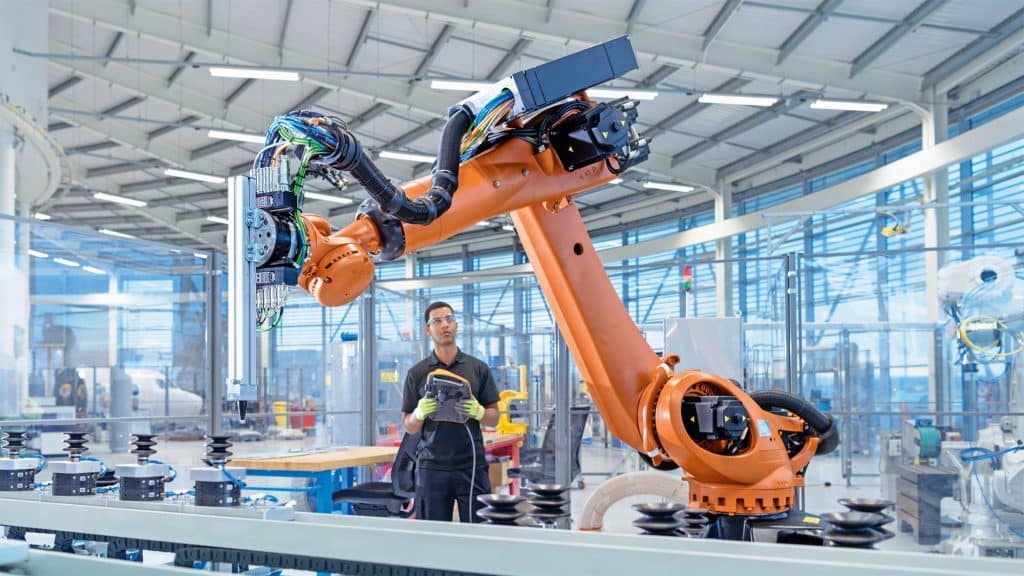
Robotics has long been a staple in manufacturing, particularly in industries like automotive and electronics. However, the scope of robotics in production lines is rapidly expanding. Modern robots now perform complex operations with precision and adaptability, using sensors and AI algorithms to adjust to changing conditions, improving efficiency, and reducing errors.
In the automotive industry, for instance, robotic arms are used for welding, painting, and assembly, reducing human error and boosting production speed. Similarly, in electronics, robots are instrumental in the assembly of small, intricate parts where human hands might falter. With advancements in AI, these robots are evolving to make real-time decisions, adjusting their actions based on input from the environment.
2. Collaborative Robots (Cobots): Human and Machine Synergy
One of the most significant trends in robotics is the rise of collaborative robots, also known as cobots. Unlike traditional industrial robots that are often isolated from human workers, cobots are designed to work alongside humans in shared spaces. These robots are equipped with advanced safety features and sensors that allow them to detect human movement and work collaboratively without posing a danger.
Cobots are enhancing productivity in various sectors, from small-scale manufacturing operations to larger enterprises. For example, in warehouses, cobots assist with sorting and transporting goods, freeing up human workers to focus on more complex tasks. In healthcare, cobots support surgeons with precise movements during delicate procedures, improving patient outcomes.
3. Robotics and the Internet of Things (IoT)
The convergence of robotics and the Internet of Things (IoT) is creating smarter manufacturing environments. IoT-enabled robots can communicate with other machines, sensors, and systems in real-time, leading to more efficient and responsive production processes. For instance, a robot on an assembly line can communicate with inventory management systems to ensure it has the necessary materials to continue production, or it can alert a maintenance team when a malfunction is detected, minimizing downtime.
As IoT and robotics continue to evolve, factories will become more autonomous, with machines that not only execute tasks but also optimize their operations based on data and predictive analytics.
The Impact of Robotics on Daily Life
1. Smart Homes: Robotics Meets Everyday Convenience
In daily life, robotics is revolutionizing how we interact with our homes. The development of smart home technologies has paved the way for robots to perform various household chores. Robotic vacuum cleaners, like those from Roomba, have already gained widespread popularity, performing routine cleaning tasks autonomously. However, the future of smart homes extends far beyond vacuuming.
Home automation systems are integrating robots that can perform more complex tasks. For example, robotic assistants are now being developed to help with meal preparation, monitoring home security, and even managing energy consumption. As these robots become smarter, they will be able to anticipate our needs and execute tasks with minimal input, making homes not only more convenient but also more energy-efficient.
2. Healthcare Robotics: Assistance for the Aging Population
With an aging global population, healthcare robotics is emerging as a critical solution to assist the elderly. From robotic caregivers to exoskeletons that help individuals with mobility impairments, robots are improving quality of life for people who need assistance in their daily routines.
Robotic nurses are being deployed in hospitals and care facilities, providing consistent monitoring of patients’ conditions and assisting with mobility. These robots can help reduce the workload of human nurses, allowing them to focus on more specialized tasks while ensuring that patients receive constant care.
Exoskeletons are another exciting development in healthcare robotics. These wearable devices help individuals with paralysis or other mobility impairments regain their ability to walk. By providing support and movement assistance, exoskeletons are offering patients the chance to improve their mobility and independence, representing a significant leap forward in medical robotics.
3. Personal Robots for Education and Entertainment
Robots are also making their way into education and entertainment, offering interactive learning experiences for children and adults alike. Educational robots are being used in schools to teach coding, STEM concepts, and critical thinking skills in a fun and engaging manner. These robots provide hands-on learning experiences that are both educational and entertaining, helping to inspire the next generation of engineers and innovators.
In entertainment, robots are already making their mark, with humanoid robots being used as entertainers or companions in theme parks, hotels, and even homes. These robots can interact with humans, provide personalized experiences, and offer entertainment that was once the realm of science fiction.
The Future of Robotics: Challenges and Opportunities
As robotics continues to advance, several key challenges and opportunities lie ahead:
1. Ethical Considerations
As robots take on more responsibilities, there are growing concerns about their impact on jobs and society. Automation has the potential to replace certain types of human labor, raising questions about unemployment and the future of work. However, robotics also presents opportunities for job creation, particularly in the fields of robotics maintenance, AI development, and programming.
Additionally, ethical concerns around the use of robots in sensitive areas such as healthcare and warfare need to be addressed. There will be an ongoing need for regulation and ethical guidelines to ensure that robots are used for the benefit of society.
2. Technological Advancements
The future of robotics will be shaped by continued advancements in AI, machine learning, and sensor technologies. As robots become more intelligent and capable of making autonomous decisions, their potential applications will expand exponentially. Self-driving vehicles, drones, and robots with human-like cognition will soon be commonplace, transforming industries such as transportation, logistics, and personal care.
3. Integration and Collaboration
One of the biggest opportunities for the future of robotics is the seamless integration of robots into society. As robots and AI systems become more intuitive, they will be able to work alongside humans, enhancing productivity and improving lives. Collaboration between humans and robots will become the norm in workplaces and homes, leading to more efficient and personalized services.
Conclusion
The future of robotics in manufacturing and daily life is filled with immense potential. As robots become more intelligent, versatile, and integrated into various aspects of our lives, they will continue to redefine industries, improve the quality of life, and transform the way we work, learn, and live. With the right technological innovations and ethical considerations, the possibilities for robotics are truly limitless.
References
- Bogue, R. (2020). The future of robotics in manufacturing: Trends and opportunities. Industrial Robot: An International Journal, 47(3), 331-338. Available at: https://www.emerald.com (Accessed: 17 September 2025)
- Dufresne, L. (2021). The rise of collaborative robots and their impact on industry and workforce. Robotics and Automation Magazine, 28(2), 55-63. Available at: https://www.ieee-ras.org (Accessed: 17 September 2025)
- Zeng, S., & Xie, L. (2021). Robotics in healthcare: From assistance to surgery. Journal of Robotics and Automation in Healthcare, 2(1), 14-22. Available at: https://www.sciencedirect.com (Accessed: 17 September 2025)

 Ways to Improve Workplace Wellness Programs