Unlocking Glowing Skin Secrets for You
Sofia Marquez November 27, 2025
Ever wondered how glowing skin routines actually work? Explore fascinating, trusted tips rooted in science, discover what dermatologists suggest, and see how nutrition, hydration, and lifestyle choices combine for real beauty impacts—all while understanding each step’s effects.
The Science Behind Skin Radiance
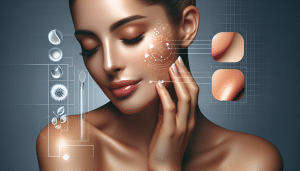
Radiant skin often hints at overall wellness. When the skin reflects health, it’s more than just a beauty standard—it’s an indicator of balanced internal systems. Skin cells renew themselves naturally every few weeks, but several factors determine whether that cellular turnover results in a fresh, luminous glow. Key processes, including hydration, collagen production, and protection against sun damage, work together to keep the complexion bright. Scientific studies show that even subtle deficiencies in micronutrients can dull the skin’s appearance, which is why many dermatologists focus first on overall health for vibrant results. Exploring how cells regenerate and defend themselves can reveal ways anyone can enhance their own radiance.
Genetics, the environment, and personalized routines interact in complex but fascinating ways. Pollution, harsh weather, and lifestyle choices impact the skin’s protective barrier—the thin layer that keeps hydration in and irritants out. Research has emphasized the importance of gentle cleansing, proper sleep, and stress reduction as low-effort ways to promote freshness (Source: https://www.ncbi.nlm.nih.gov/pmc/articles/PMC6017965/). Recognizing the science behind common recommendations puts power in the hands of those eager for genuine improvement.
Understanding collagen’s role is a game-changer. Collagen, the protein that gives the skin its firmness, naturally declines with age. Several habits can slow that process: nutritious diets, minimal sun exposure, and strategic use of topical antioxidants all encourage collagen production (Source: https://www.aad.org/public/diseases/a-z/skin-care-basics). Integrating even simple changes can result in perceptibly fresher, softer-feeling skin—making the science both empowering and practical.
Hydration as a Beauty Foundation
Hydration lies at the heart of radiant skin secrets. When skin lacks moisture, it can become rough, flaky, and dull, making any natural glow almost impossible to notice. Experts routinely point to both internal hydration (drinking enough fluids) and external hydration (using quality moisturizers) as essential steps for a unified, glowing complexion. Even mild dehydration has been shown to affect the way skin reflects light and feels to the touch (Source: https://www.health.harvard.edu/staying-healthy/hydration-a-key-to-healthy-skin).
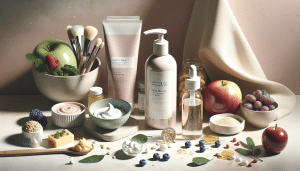
But what counts as effective hydration? Water-rich foods such as cucumbers, tomatoes, and berries add meaningful hydration through diet, while gentle, fragrance-free moisturizers made with hyaluronic acid or glycerin reinforce the skin barrier externally. More recent innovations harness naturally occurring lipids and ceramides to lock in moisture even longer, meaning users can see lasting softness and plumpness. The combination of drinking water throughout the day and leveraging modern skincare offers a dual-pronged approach for anyone trying to improve skin hydration.
Collaboration between nutrition and topical care truly fosters visible results. Many people notice added glow within weeks of adjusting their hydration habits. Dermatologists caution, however, against over-cleansing or using harsh astringents that strip away natural oils, since this can undermine hydration’s benefits. Instead, layering light mists, oils, and creams as advised in current research provides better long-term benefits than quick fixes (Source: https://www.ncbi.nlm.nih.gov/pmc/articles/PMC3673383/). Practical steps like these help everyone—from teens to older adults—enjoy a smoother, more even complexion.
Nutrition’s Role in Skin Glow
The old saying ‘you are what you eat’ resonates in skin science. Diets rich in antioxidants, healthy fats, and vitamins directly correlate to how your skin appears. Critical nutrients such as vitamin C, E, and omega-3 fatty acids improve both resilience and radiance. Research consistently demonstrates that plant-based diets, or those full of fruits, leafy greens, and whole grains, lessen the appearance of wrinkles and blotchy tone (Source: https://www.hsph.harvard.edu/nutritionsource/skin-health/).
Antioxidants act as the skin’s internal defense system. They neutralize free radicals caused by sunlight, pollution, and natural metabolic processes. Berries, nuts, and colorful vegetables deliver critical antioxidants that help maintain a youthful glow. Meanwhile, avoiding processed and high-sugar foods reduces inflammation, which can otherwise contribute to breakouts, puffiness, and unevenness. Nutrition, therefore, offers a non-invasive toolset for cultivating skincare from the inside out.
People looking for noticeable improvements often start with their diets, sometimes making small swaps—a banana instead of a sugary snack or salmon in place of red meat. Even within a week or two, some report softer, brighter complexions. Consistency is crucial, as skin cells rely on a steady supply of vitamins and minerals to perform optimally. Backed by robust scientific evidence, dietary modifications bring fresh appeal and leave skin better protected against everyday stressors.
The Importance of Sun Protection
Sun exposure is the leading cause of premature skin aging, including dryness, discoloration, and fine lines. UV radiation breaks down collagen and can initiate uneven pigment production, both of which reduce skin’s natural radiance. Dermatologists universally recommend broad-spectrum sunscreen as a non-negotiable daily habit, even on cloudy days or when working indoors next to windows (Source: https://www.cancer.org/healthy/be-safe-in-sun/sun-safety.html).
Sun-protective routines go beyond SPF. Wide-brimmed hats, UV-blocking sunglasses, and choosing shade whenever possible reinforce the skin’s defense mechanisms against environmental stress. High-SPF, non-comedogenic sunscreen formulas prevent clogged pores, making the care routine appropriate for all skin types, including those prone to sensitivity or breakouts. These practices—endorsed by organizations such as the American Academy of Dermatology—help prolong the visible effects of other skincare steps by lowering exposure to damaging rays.
Many users see significant improvements in tone and texture after committing to sun protection. Fewer dark spots, less redness, and a more unified impression become evident over time. Combined with antioxidant-rich serums or creams, protecting skin from UVA and UVB rays lays the foundation for all other radiance-boosting techniques. Anyone intent on healthy, glowing skin will find that daily protection pays off, especially as skin ages.
Rest, Stress, and Beauty Sleep
Restorative sleep profoundly impacts how skin looks and repairs itself. During deep rest, growth hormone triggers collagen renewal and cellular turnover, leading to a brighter, smoother complexion. Several studies highlight that people who consistently get seven to nine hours of sleep nightly often have fewer lines, more even tone, and improved elasticity compared to those who skimp on rest (Source: https://www.ncbi.nlm.nih.gov/pmc/articles/PMC4465578/). Beauty sleep is not just a phrase but a validated link in the wellness-beauty chain.
Stress management matters, too. Chronic stress elevates levels of the hormone cortisol, which can break down collagen and impair the skin barrier. Mindfulness techniques—such as yoga or simple breathing exercises—lower stress and, in turn, support clearer, calmer skin. Adding these practices into daily routines can lessen redness and irritation while helping skin maintain its natural resilience.
Putting rest first may require conscious adjustments: setting regular bedtimes, using no-screen wind-down rituals, or introducing calming bedroom scents. Over time, users often notice increased skin radiance, gradual fading of shadows and puffiness, and a general lift in wellbeing. These changes ripple through every aspect of a beauty routine—an investment in sleep and stress reduction benefits not only appearance but also mood and longevity.
Everyday Skincare Rituals That Support Glow
Consistency is key in skincare routines that promote visible radiance. Gentle cleansing, mild exfoliation, and strategic use of serums all contribute to the overall impact. Supporting research encourages regular but non-aggressive exfoliation, which removes dulling dead skin cells and allows moisturizers and antioxidants to penetrate deeper. Overdoing it, however, can cause irritation or dryness, so balance and patience are vital (Source: https://www.aad.org/public/everyday-care/skin-care-basics/care/skin-care-safety-tips).
Topical products containing vitamin C, retinoids, or niacinamide are favorites among dermatology professionals. These ingredients have been proven to encourage cell turnover and even out pigmentation, leading to a naturally brighter look. Choosing products based on individual needs, and making incremental changes to monitor sensitivity, helps prevent common pitfalls such as irritation or allergic reactions. When trying something new, many experts recommend starting slowly and noting changes over time for the best results.
Daily rituals—even those as simple as patting in moisturizer or massaging serum into the skin—contribute not only to beauty but to feelings of routine and self-care. The emotional comfort of nurturing the skin can reduce stress, reinforcing earlier benefits while encouraging continued commitment. Ultimately, small, consistent efforts make a substantial difference in skin glow over weeks and months, showing that healthy beauty is both accessible and rewarding for all.
References
1. American Academy of Dermatology Association. (n.d.). Skin care basics. Retrieved from https://www.aad.org/public/diseases/a-z/skin-care-basics
2. Harvard T.H. Chan School of Public Health. (n.d.). Diet and skin health. Retrieved from https://www.hsph.harvard.edu/nutritionsource/skin-health/
3. Harvard Health Publishing. (n.d.). Hydration: A key to healthy skin? Retrieved from https://www.health.harvard.edu/staying-healthy/hydration-a-key-to-healthy-skin
4. American Cancer Society. (n.d.). Sun safety. Retrieved from https://www.cancer.org/healthy/be-safe-in-sun/sun-safety.html
5. American Academy of Dermatology Association. (n.d.). Skin care safety tips. Retrieved from https://www.aad.org/public/everyday-care/skin-care-basics/care/skin-care-safety-tips
6. Kraus, S.L. (2015). Sleep and skin health. Retrieved from https://www.ncbi.nlm.nih.gov/pmc/articles/PMC4465578/

 You Can Discover the Science Behind Quantum Computing