You Can Transform Your Backyard with Smart Landscaping
Henry Caldwell October 30, 2025
Unlock the secret to a beautiful outdoor space with practical landscaping ideas for any yard size or budget. Explore creative design strategies, eco-friendly trends, and expert tips for a backyard that becomes your favorite escape. Discover what you need to transform your area into an inviting and sustainable retreat.
Backyard Landscaping Basics You Should Understand
Backyard landscaping is more than just planting flowers and hoping they flourish. It’s about designing outdoor spaces that suit both your lifestyle and local environment. When thinking about landscaping, consider how you want to use the space: Is it for relaxation, entertaining friends, or growing edible plants? Creating an overall plan saves time and money by preventing costly mistakes in the future. Whether you have a small yard or a wide-open landscape, taking the time to assess sunlight, soil, and your family’s habits helps set you up for a sustainable outdoor haven that lasts.
Understanding what plants work best in your region significantly improves your yard’s appearance and reduces maintenance. Yard design often starts with mapping shade, evaluating rainfall, and identifying any existing trees or structures that can enhance or hinder your vision. Explore local plant nurseries and cooperative extension resources for advice on native plant choices. Native plants typically require less water, are more tolerant of local pests, and provide essential habitat for pollinators—contributing to a thriving ecosystem right outside your door.
For those beginning their landscaping journey, outlining walkways or seating areas is the first practical step. You can use inexpensive materials, like gravel or mulch, for a quick improvement while you plan more permanent features. Think about the flow of movement—paths should make it easy for people to navigate your yard. With a basic sketch, you can break the project into manageable phases, allowing your vision to come together over months or years, not just all at once. This approach keeps the process enjoyable without overwhelming even the busiest homeowners.
Creative Design Ideas for Every Yard
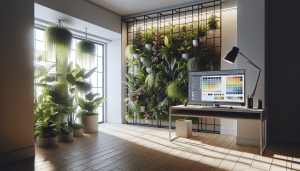
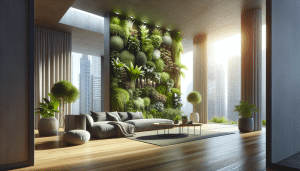
No matter the size of your outdoor area, there are creative design strategies that can make any backyard feel more inviting. Start by defining zones: a lounge area for relaxation, a dining space for family meals, or a corner dedicated to a small vegetable garden. If your space is limited, vertical gardening using trellises or wall-mounted planters adds lush greenery without sacrificing precious ground. Grouping plants by height and bloom time ensures constant visual interest throughout the seasons while maximizing your use of space.
Color is another important aspect. Select plants and flowers that reflect your personality—bold hues for drama or soothing pastels for a sense of calm. Think beyond traditional lawns by incorporating ornamental grasses, ground covers, or flowering shrubs. Mixing textures through stone paths, wooden benches, or metal sculptures creates contrast and depth, turning even the simplest yard into a dynamic sanctuary for relaxation and inspiration.
Adding water elements, like small fountains or birdbaths, draws in wildlife and introduces soothing sounds to the environment. Even a compact container water garden can make a big impact. Strategic lighting extends how you enjoy your yard into the evening hours; solar-powered lanterns, string lights, or spotlights highlight pathways and features. These ideas allow you to personalize your backyard space using practical, affordable techniques for beauty and function.
Eco-Friendly Trends in Backyard Landscaping
There’s a growing movement toward sustainable landscaping that benefits both people and the planet. Eco-friendly trends such as xeriscaping, which focuses on drought-tolerant plants and water-wise design, have surged in popularity in areas facing water scarcity. Even in wetter climates, minimizing turfgrass can reduce inputs while providing habitat for birds and pollinators. Mulching garden beds, planting native wildflowers, and using organic fertilizers support biodiversity and healthy soils without expensive or synthetic products.
Rain gardens are another way to protect your yard and community from runoff and flooding. These specially designed beds capture and filter rainwater using deep-rooted grasses and perennials, allowing moisture to soak slowly into the ground. Composting food and yard waste creates a closed loop, reducing landfill load and enriching soil health. Explore composting bins or even small worm farms if you want to boost soil nutrients naturally and efficiently in urban spaces.
Wildlife-friendly landscaping doesn’t need to be wild or unkempt. Planting clusters of native shrubs, wildflowers, and berry bushes provides shelter and food for birds, bees, and butterflies. Avoiding chemical pesticides and herbicides keeps these helpful visitors safe and creates a more balanced ecosystem right in your backyard. Contributing to local sustainability efforts can start with changes as simple as choosing the right plants or leaving a small brush pile for overwintering insects.
Smart Irrigation and Water Management
Efficient water use is a crucial element in any successful landscaping plan. Smart irrigation involves more than simply watering less. It’s about applying the right amount of water where and when it’s needed most. Drip irrigation systems deliver water directly to roots, reducing waste and evaporation. Rain sensors and programmable timers further enhance efficiency, ensuring your garden gets water only when necessary—saving resources and money in the long run.
Collecting rainwater with barrels or cisterns is a time-tested way to boost sustainability while lowering your dependence on municipal supplies. Set up a system to channel roof runoff into storage containers, then use it for garden beds or lawn care. Many local governments provide incentives or guidance for residential rainwater harvesting. This simple adjustment can make a meaningful difference to your monthly water bill and overall environmental impact.
Proper soil management is just as important as watering technique. Amending soil with organic matter increases its ability to retain moisture and nutrients, reducing the frequency and quantity of irrigation. Mulching garden beds prevents evaporation and keeps roots cool. Together, these steps help create an eco-friendly, green backyard that thrives even during periods of drought or heat.
Incorporating Outdoor Living Spaces
Today’s landscaping goes beyond just plants. Outdoor living spaces seamlessly extend your home into the garden, creating new opportunities for enjoyment. A well-placed patio or deck can provide an area for gatherings, meals, or quiet time with a book. Consider built-in seating, firepits, or weatherproof furniture for year-round use and easy care. When designed thoughtfully, these areas become natural invitations to spend more time outdoors, whatever the season.
Privacy and comfort matter. Using screening plants, trellises, or lattice panels can block wind and provide seclusion without sacrificing style. Shade structures, such as pergolas or retractable awnings, protect from harsh sun and add architectural interest. Including features like outdoor kitchens, pizza ovens, or simple grill stations invites shared experiences, bringing people together in a relaxed atmosphere right at home.
Integrating technology upgrades like Wi-Fi outdoor speakers, smart lighting, or weatherproof outlets elevates your backyard’s usefulness. These features maximize entertaining options and allow you to adapt the space for work, play, or relaxation. Whether you have a sprawling landscape or a city balcony, thoughtful design and clever enhancements can turn any setting into a joyful extension of your living area.
Low-Maintenance Landscaping for Easy Care
Many people wish for a beautiful backyard but worry about the time and effort required. Low-maintenance landscaping makes it easier to enjoy the outdoors without constant upkeep. Selecting hardy perennials, drought-tolerant ground covers, and self-sustaining shrubs reduces the need for watering, pruning, and replanting. Evergreen plants provide year-round interest, while mulched beds suppress weeds and save time in routine chores.
Automated irrigation, drip lines, and slow-release fertilizers let you care for gardens with minimal hands-on effort. Grouping plants with similar water and sun needs in the same zones streamlines maintenance and ensures everything thrives with less intervention. Paved or gravel walkways stay tidy with less attention than lawn or bare soil, making them attractive for high-traffic areas or tricky slopes.
Designing for easy access matters too. Raised beds keep gardening comfortable and reduce bending or kneeling. Container gardens are simple to reorganize as needs change, allowing for creativity without a huge commitment. By making smart choices up front, you can create a stunning backyard that remains manageable for years—leaving more time to enjoy your fresh air retreat with friends, family, or solo relaxation.
References
1. United States Environmental Protection Agency. (n.d.). Green Landscaping: Greenacres. Retrieved from https://www.epa.gov/greenacres
2. National Wildlife Federation. (n.d.). Native Plant Finder. Retrieved from https://www.nwf.org/nativeplantfinder
3. University of Minnesota Extension. (n.d.). Sustainable home landscape design. Retrieved from https://extension.umn.edu/landscape-design/sustainable-home-landscape-design
4. U.S. Department of Agriculture. (n.d.). Backyard Conservation. Retrieved from https://www.nrcs.usda.gov/conservation-basics/conservation-by-state/national-projects/backyard-conservation
5. Missouri Botanical Garden. (n.d.). Low Maintenance Landscaping. Retrieved from https://www.missouribotanicalgarden.org/gardens-gardening/your-garden/help-for-the-home-gardener/advice-tips-resources/gardening-help-faqs/low-maintenance-landscaping
6. American Society of Landscape Architects. (n.d.). Sustainable Residential Design. Retrieved from https://www.asla.org/residentialinfo.html

 Unlocking Remote Learning Success for Every Student