Smart Ways You Can Transform a Small Backyard
Henry Caldwell October 26, 2025
Small backyards can become captivating escapes with practical changes and the right design ideas. Discover how optimizing layout, using vertical gardens, and picking multi-purpose furniture make compact outdoor spaces feel bigger and more relaxing. Explore clever landscaping tips that bring both beauty and functionality to your home.
Maximizing Every Inch of Space
An efficiently organized small backyard often feels much more spacious than its square footage suggests. Careful zoning encourages distinct areas for lounging, dining, and gardening. Instead of large lawns, consider paver pathways or gravel sections to distinguish spaces. Layering plants of different heights draws the eye upward, maximizing both ground and air space for a more open atmosphere. Experts recommend measuring your backyard before rearranging, using graph paper or digital planners for visualization. These strategies create a plan that uses every available corner without feeling cramped or cluttered (Source: https://www.gardendesign.com/small-gardens/design.html).
Adding defined activity zones gives structure, such as a cozy reading nook, meditation spot, or compact grilling station. Temporary partitions—think trellises, screens, or even tall potted plants—can visually separate spaces while still maintaining a unified design style. Paint fences lighter colors and use mirrors made for outdoor settings to visually enlarge small areas through reflected light. Focal points, like a water feature or art piece, anchor the layout and draw attention away from boundaries, making the entire yard feel more inviting.
When considering ground cover, permeable materials like decomposed granite or wood chips enhance drainage and complement pathways. For patios, choose modular concrete, slate, or eco-friendly composite decking that fits snugly into awkward corners. Including raised planters along the edges means more room for flowers or vegetables, freeing up central space for relaxation and entertaining. Simple switches—such as multi-level beds or built-in benches—turn underutilized spots into functional, beautiful highlights. These design choices work even in urban settings with pocket-size gardens.
Vertical Gardens for Small Yards
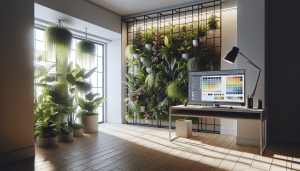
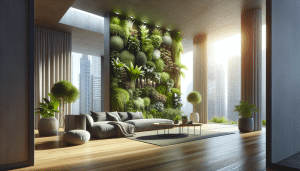
Vertical gardening transforms fences, walls, and even small sheds into living tapestries of greenery. In compact backyards, using height is crucial for boosting plant variety and maintaining style without taking up precious floor space. Options include trellises for climbing vines, wall-hung pocket planters, and stacked shelves for potted herbs or flowers. Even narrow strips along boundary walls can be covered in trailing ivies, succulents, or colorful annuals. Many gardeners use modular pocket planting systems to grow salads, strawberries, or culinary herbs within arm’s reach (Source: https://extension.psu.edu/creating-vertical-gardens).
Growing vertically provides more than just beauty. It also improves privacy, creates sound barriers, and shades sitting areas from the sun. Installing living walls is often less labor-intensive than expanding lawns or in-ground beds. Many modern systems use reusable felt, recycled plastics, or lightweight mesh frames for minimal maintenance. Vertical gardening also appeals to urban households seeking eco-friendly options and a quick way to add color, texture, and lushness. Simple drip irrigation setups or water-retaining soil mixes keep high-up plants hydrated without extra effort.
For renters and those with temporary spaces, portable vertical planters or leaning ladder stands offer flexibility. Hooks and shelves can hold baskets overflowing with petunias, basil, or trailing potato vines. Integrating edible greens supports home sustainability, making fresh ingredients available steps away from the kitchen. By thinking upward, gardeners turn unused walls into thriving oases, enhancing biodiversity and outdoor ambiance no matter the yard size.
Multi-Functional Furniture Choices
Multi-functional furniture helps small backyards punch above their weight by blending storage, seating, and dining. Consider benches with built-in storage under seats, tables that expand for guests, or lounge chairs with removable cushions for easy cleaning. These pieces adapt to changing needs—a place for morning coffee can turn into an after-dinner party area. Using stackable or foldable chairs saves space and makes rearranging effortless. Outdoor furniture made from weather-resistant materials like teak, powder-coated aluminum, or recycled plastics supports longevity and easy maintenance, important factors in compact outdoor living.
Modular sectional sofas or ottomans work wonders for flexible seating. Moveable side tables double as extra seats or display stands for potted plants. For covered patios or balconies, consider hammock swings or collapsible bistro sets that store neatly when not in use. Investing in smart furniture means even narrow terraces or rooftop spaces can offer true comfort and style. Colorful textiles, throw pillows, and outdoor rugs bring personality while being easy to swap for a quick style refresh. With removable cushion covers, keeping outdoor living fresh and inviting is more manageable all year round.
Convertible pieces, such as picnic tables that switch to garden desks or benches that fold out into beds, mean homeowners do not have to sacrifice function for aesthetics. Matching sets also create visual cohesion and help small areas feel less busy. Choose versatile lighting, such as string lights or solar lanterns, to extend usability into the night and add a magical atmosphere without permanent fixtures. All these selections support a lifestyle where every square inch counts, maximizing relaxation and social fun without overwhelming the landscape (Source: https://www.hgtv.com/outdoors/outdoor-spaces/patios-and-decks/12-space-savvy-ways-to-make-your-small-patio-look-bigger-pictures).
Creative Lighting Solutions
Lighting transforms how a small backyard feels, adding both ambiance and security. Solar-powered stake lights or string lights outline paths and highlight key features without extending wiring. By placing uplights among trees, behind benches, or along fence lines, soft glows cast flattering light, increasing depth and boosting the sense of space. Battery-operated lanterns on tables mean evenings stretch longer, while motion-sensor sconces on walls and gates increase visibility and safety.
Lighting can also be an artistic statement. Glass jar lanterns, LED candles, and even recycled bottle torches add whimsy and charm. Dynamic lights—such as color-changing LEDs—can set a mood for gatherings or quiet reading. For an eco-friendly approach, prioritize solar or low-voltage fixtures. Install dimmable bulbs or use smart plug-ins for flexible control of brightness, reducing energy use and making late-night hosting more comfortable for everyone (Source: https://www.energy.gov/energysaver/outdoor-lighting).
Proper lighting highlights heights, draws attention upward, and visually expands vertical features like wall gardens or tall plants. Add step lights or illuminated paver stones for dramatic entrances and better nighttime navigation. In spaces dedicated to relaxation or dining, overhead string bulbs or paper lanterns create warmth and intimacy, setting the backdrop for memorable outdoor experiences. Thoughtful light placement makes small yards come alive after dark, encouraging year-round enjoyment in any climate.
Bringing Nature Closer With Water and Wildlife
Water elements—like tabletop fountains, bubbling urns, or petite wildlife ponds—add calm and create a sense of immersion in nature. The sound of moving water muffles city bustle and enhances feelings of retreat, even when space is tight. Setting up compact birdbaths or shallow ponds encourages visits from songbirds, butterflies, and pollinators, boosting the garden’s ecological diversity. Even a decorative rain chain or small trickling feature can have a big impact on backyard ambiance, drawing people outdoors (Source: https://www.nwf.org/Garden-for-Wildlife/Create-a-Habitat).
Incorporating indigenous plants supports local wildlife and usually requires less maintenance. Native flowers, ornamental grasses, and shrubs often thrive in their home environment and resist pests or drought better than exotic options. Planting pollinator-friendly beds not only provides food sources for bees and butterflies but also brings more color to small yards. Create layers using groundcovers, mid-level blooms, and tall shrubs to give shelter and variety, ensuring your compact space is alive with seasonal changes and movement.
Gardeners can attract wildlife by installing nest boxes, bee hotels, or small brush piles for sheltering critters. Wind chimes, bird feeders, and scented blossoms turn tiny spaces into multisensory environments that invite exploration. Carefully placed stones, stepping pads, or mossy areas welcome amphibians, adding further interest for children and adults alike. With a thoughtful blend of water, native plantings, and simple wildlife shelters, even an apartment patio can become a hub for vitality and daily renewal.
Low-Maintenance Planting Strategies
Low-maintenance gardens thrive in small backyards, freeing owners from intense upkeep and allowing more time to relax. Drought-tolerant plants like sedum, lavender, or ornamental grasses need less watering and often display beautiful color and texture throughout the seasons. Mulching garden beds suppresses weeds, retains moisture, and minimizes the need for frequent care. Choose perennials over annuals for reliable yearly returns—these cultivate lushness without replanting the entire yard each spring (Source: https://www.rhs.org.uk/garden-jobs/low-maintenance-gardens).
Container gardens deliver style with flexibility, accommodating vegetables, flowers, and even small fruit trees on decks or patios. Rolling planters or tiered containers allow for easy movement and creative groupings that refresh the visual appeal without extra planting work. Auto-watering pots or built-in irrigation tubing take the guesswork out of summer watering chores. Using smart soil blends and slow-release fertilizers cuts down on both labor and monthly expenses.
Groundcovers like creeping thyme or sedge replace grass, reducing mowing and fertilizing tasks. Mix evergreens with blooming annuals to ensure year-round color for minimal effort. Design beds with clear edging to keep gardens tidy and boundaries defined. A habit of regularly removing faded blooms prolongs the flowering season, while composting green waste from prunings or kitchen scraps returns nutrients to the soil. This approach means more free time to savor your beautiful, healthy retreat—without the stress of high-maintenance gardening.
References
1. Garden Design. (n.d.). Small Garden Design Ideas. Retrieved from https://www.gardendesign.com/small-gardens/design.html
2. Penn State Extension. (n.d.). Creating Vertical Gardens. Retrieved from https://extension.psu.edu/creating-vertical-gardens
3. HGTV. (n.d.). 12 Space-Savvy Ways to Make Your Small Patio Look Bigger. Retrieved from https://www.hgtv.com/outdoors/outdoor-spaces/patios-and-decks/12-space-savvy-ways-to-make-your-small-patio-look-bigger-pictures
4. U.S. Department of Energy. (n.d.). Outdoor Lighting. Retrieved from https://www.energy.gov/energysaver/outdoor-lighting
5. National Wildlife Federation. (n.d.). Create a Wildlife Habitat. Retrieved from https://www.nwf.org/Garden-for-Wildlife/Create-a-Habitat
6. Royal Horticultural Society. (n.d.). Low-Maintenance Gardens. Retrieved from https://www.rhs.org.uk/garden-jobs/low-maintenance-gardens

 You Won’t Believe What Smart Gardens Can Do