You Can Transform Skin Health With Barrier Repair
Sofia Marquez October 23, 2025
Explore how skin barrier repair can unlock healthy, glowing skin and help address concerns like sensitivity, dryness, and premature aging. This in-depth guide shares surprising details, expert advice, and evidence-based approaches—see how others are changing their routines for radiant results.
Understanding the Role of Your Skin Barrier
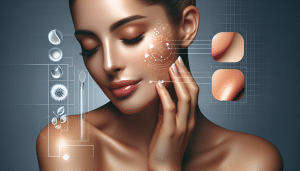
The skin barrier acts as your body’s first line of defense. It’s a complex system composed of lipids, proteins, and cells designed to keep essential moisture in and harmful irritants out. When functioning optimally, this barrier protects against environmental stressors like pollution, UV light, and even bacteria. Many overlook its importance, but a weakened barrier can lead to common issues like dryness, redness, sensitivity, or even acne flare-ups. Prioritizing skin barrier repair can be the key to healthy, glowing results that last.
Daily habits, including exposure to harsh cleansers, over-exfoliation, and environmental aggressors, may slowly wear down the natural lipid layer that keeps the skin resilient. This barrier is what allows your skin to maintain hydration and resist irritants. Its weakening is often subtle—the skin might feel tight, look dull, or become easily irritated. Consistently focusing on repair means selecting gentle products and adopting barrier-supportive practices for better well-being.
Some experts highlight how repair starts with recognizing subtle symptoms. Certain sensations, such as stinging when applying skincare or persistent dry patches, might indicate a compromised protective barrier. Strengthening it can change how the skin feels and responds to products. This is why many dermatologists recommend routines tailored explicitly for restoration, using hydrating serums, calming ingredients, and lifestyle adjustments that make a real difference over time.
Common Causes of Barrier Damage and Sensitivity
Compromised skin is often the result of repetitive everyday factors. Frequent washing with alkaline cleansers or hot water, aggressive exfoliation, and even seasonal changes can break down the delicate lipid matrix. People sometimes notice increased stinging, redness, or flaking in colder months or when exposed to air-conditioning for long periods. Surprisingly, well-meaning attempts at skincare, like using products with alcohol or fragrances, may sometimes do more harm than good.
Environmental pollutants are another often-overlooked trigger. Fine particulates and chemicals from urban environments can penetrate deeper into the skin when the barrier is weakened. Not only does this increase the risk of irritation, but studies have linked environmental factors to premature aging and heightened sensitivity. Making small adjustments, such as double cleansing gently or applying a physical barrier before going outdoors, can help counteract some of these effects.
Internal factors matter, too. Stress, diet, and sleep deprivation contribute to long-term skin vulnerability. When the body’s stress response is activated, the skin can produce more inflammatory signals. Meanwhile, lack of essential fatty acids or antioxidants in the diet may decrease the skin’s natural reparative power. Many see improvements simply by nourishing themselves from within and by ensuring that their daily habits support, rather than sabotage, their skin’s integrity.
Key Ingredients and Practices That Support Skin Barrier Repair
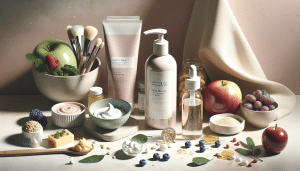
Hydration plays a foundational role in skin repair, with humectants like hyaluronic acid and glycerin attracting water deep into the skin. These ingredients work alongside ceramides and fatty acids, which help replenish and reinforce the outer layer. Ceramides in particular have been widely studied for their ability to restore the appearance and feel of weakened skin, making them popular in dermatologist-approved regimens. Many discover these components when exploring how to manage persistent dryness or irritation.
Gentle, non-stripping cleansers without harsh surfactants are an essential swap for anyone interested in restoring their complexion. Avoiding overuse of exfoliants—especially those with strong acids—can allow natural regeneration to catch up. Barrier-supporting practices also include using sunscreen routinely, as UV exposure can worsen existing barrier impairment and slow the repair process. Those who make these switches often report softer, smoother, and more comfortable skin over time.
Some regimens go beyond basic moisturizers, incorporating soothing botanicals like centella asiatica, niacinamide, and panthenol. These are shown to calm redness and speed up skin’s return to normal function. More people are discovering the value of layering lightweight serums followed by richer creams, maximizing repair overnight. Adopting such a routine—even for just a few weeks—often helps people regain a plump, luminous complexion.
Lifestyle Factors That Influence Your Skin Barrier
Sleep, diet, and stress management are powerful allies for barrier health. During deep sleep, the body enters a repair mode, producing growth factors and proteins vital for skin renewal. Inadequate rest can show up as increased sensitivity and slower recovery from inflammation. Those who establish consistent sleep routines often find it easier to maintain radiance and comfort, especially when juggling busy schedules.
What you eat could influence how well your skin heals. Diets rich in omega-3 fatty acids (sourced from fish, flaxseeds, or walnuts) and antioxidants (from berries, greens, or seeds) provide essential building blocks for resilient skin. Conversely, high sugar or processed foods can trigger low-grade inflammation that delays natural repair. Many nutrition experts recommend a Mediterranean-style plan, emphasizing whole foods and hydration for lasting results.
Mental and emotional well-being are also part of the puzzle. Chronic stress increases cortisol production, which may impair skin’s barrier over time. Practices like gentle exercise, meditation, and spending time outdoors have been associated with improved skin appearance and better comfort levels. It’s clear that a holistic approach—blending the right products with healthy lifestyle changes—creates the strongest foundation for restoring and maintaining vibrant skin.
When to Seek Expert Advice About Barrier Repair
Persistent symptoms such as burning, severe flaking, or inflamed rashes might be a sign of more complex issues at play. Dermatologists can help pinpoint underlying conditions like eczema, allergic reactions, or even infections that mimic barrier damage. Many people start by searching for over-the-counter solutions, but recognizing when to consult a professional ensures any treatment plan is both safe and effective.
Personalized guidance can be critical, especially for those managing chronic issues or multiple sensitivities. Some dermatologists recommend patch testing new products or choosing formulas specially designed for sensitive or compromised skin. They might also suggest prescription creams containing ceramides or anti-inflammatory agents to address persistent inflammation while encouraging gentle daily routines.
Consulting an expert is often reassuring for those unsure whether their symptoms are normal or require intervention. Not only can professionals help accelerate recovery, but they can also prevent further complications by correctly identifying triggers and tailoring regimens to individual needs. This partnership leads to truly empowered skincare, with lasting improvements that go beyond what’s possible with one-size-fits-all advice or random product choices.
Future Directions and Trends in Skin Barrier Science
Advances in skincare technology are unlocking new ways to repair and maintain the barrier. Researchers are exploring biomimetic ingredients, which closely mimic natural skin lipids and proteins, to create more effective protective formulas. Probiotic skincare is another area of growing interest, aiming to balance the skin’s microbiome and enhance natural defenses. Early results show these new approaches can accelerate healing and may even prevent chronic conditions from developing.
Smart skincare devices that measure hydration and barrier integrity at home are on the horizon. These tools allow users to monitor progress and adjust their routines more precisely, leading to better, more consistent outcomes. Innovation in eco-friendly, gentle formulations is also expanding, making advanced repair accessible to more people—including those with allergies, sensitivities, or environmental concerns.
Public awareness about the skin barrier and its role in overall wellness is steadily increasing. Education campaigns and transparent labeling help consumers make informed choices, while beauty brands are stepping up with targeted products and resources. Surprising as it may be, the future of skin health might rest as much in prevention and daily care as in treatments—encouraging everyone to be proactive and gentle in their approach for years to come.
References
1. American Academy of Dermatology. (n.d.). Skin Care for Aging Skin. Retrieved from https://www.aad.org/public/everyday-care/skin-care-secrets/routine/skin-care-tips
2. National Institutes of Health. (2020). The role of skin barrier in skin health and disease. Retrieved from https://www.ncbi.nlm.nih.gov/pmc/articles/PMC5849435/
3. Harvard Health Publishing. (n.d.). The science of healthy skin. Retrieved from https://www.health.harvard.edu/staying-healthy/the-science-of-healthy-skin
4. Mayo Clinic. (2022). Healthy skin: The body’s barrier. Retrieved from https://www.mayoclinic.org/healthy-lifestyle/adult-health/in-depth/skin/art-20048280
5. British Association of Dermatologists. (2021). Skin barrier function and how to protect it. Retrieved from https://www.bad.org.uk/patient-information-leaflets/skin-barrier
6. Cleveland Clinic. (2021). Why Your Skin Barrier Is So Important. Retrieved from https://health.clevelandclinic.org/skin-barrier-care/

 Why Artificial Intelligence in News Matters for You