Interior Design Hacks That Maximize Natural Light
Henry Caldwell September 17, 2025
In the realm of interior design, maximizing natural light has become an essential focus for creating inviting and sustainable spaces. Natural light can breathe life into a room, making it feel bigger, brighter, and more comfortable. It not only helps in reducing energy costs but can also have a positive impact on our well-being. Exposure to natural light is linked to enhanced mood, improved productivity, and better sleep. With all these benefits, it’s no surprise that the demand for maximizing natural light in interior design is on the rise.
In this article, we explore practical and creative interior design hacks that maximize natural light in your home. Whether you live in a small apartment or a spacious house, these design tips will help you illuminate your space with sunlight, making your home feel airy, fresh, and inviting.
Why Maximize Natural Light?
Before diving into the hacks, it’s essential to understand why natural light is a cornerstone of modern home design. The benefits go far beyond just aesthetic appeal:
- Health and Well-being: Natural light helps regulate our circadian rhythm, which plays a crucial role in improving sleep quality. It can also combat seasonal affective disorder (SAD) by enhancing mood and energy levels.
- Energy Savings: By allowing more sunlight to enter your home, you can reduce the need for artificial lighting during the day. This can lead to significant savings on your electricity bill over time.
- Visual Appeal: Natural light makes rooms appear larger and more spacious. It can brighten up even the darkest corners, creating an inviting and vibrant atmosphere.
- Sustainability: Leveraging natural light aligns with energy-efficient and eco-friendly practices. It reduces the reliance on electricity, lowering your carbon footprint.
Key Design Hacks to Maximize Natural Light
1. Use Light Colors for Walls and Furniture
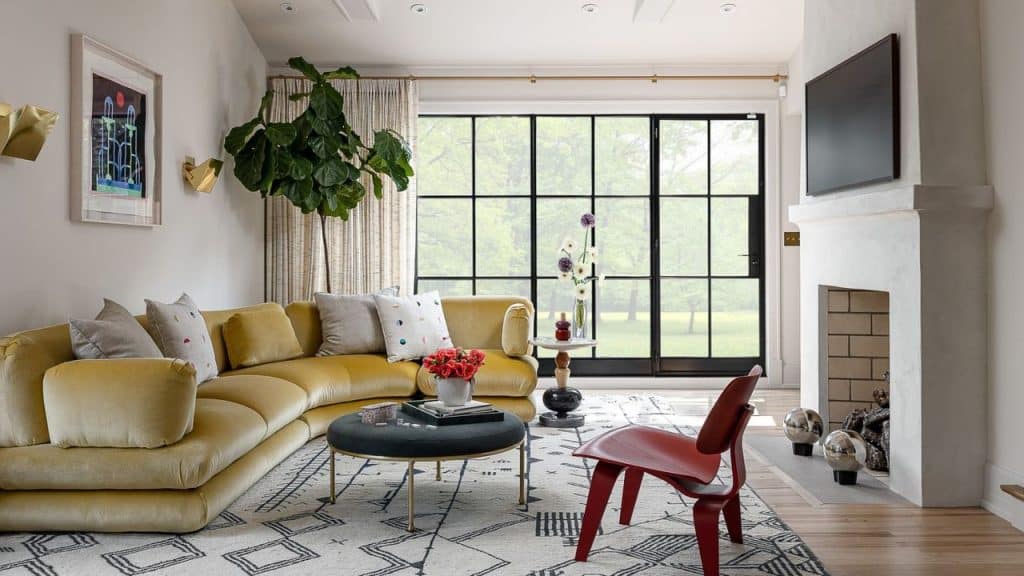
Dark colors absorb light, which can make a room feel smaller and more confined. If you’re aiming to maximize natural light, opt for light, neutral hues such as whites, pale grays, beige, or soft pastels. These shades reflect light, which helps illuminate the room and gives it an open and airy feel.
When selecting furniture, light-colored pieces can also enhance the brightness of your space. Whether you’re choosing a sofa, chairs, or cabinetry, opting for light wood tones or pale upholstery will ensure that your home reflects light instead of absorbing it.
Tip: If you love bold, darker hues, consider using them as accent colors in small doses, such as through throw pillows, rugs, or artwork. This allows you to introduce depth without compromising the natural light in your space.
2. Incorporate Mirrors Strategically
Mirrors are one of the simplest and most effective ways to maximize natural light. By placing a large mirror across from a window, you can reflect sunlight throughout the room, making the space feel brighter and more expansive. A well-placed mirror can essentially double the amount of natural light in the room.
Tip: Consider using mirrored furniture or decorative items, such as mirrored coffee tables or side tables. These will reflect light around the room and add a touch of glamour to your space.
3. Choose Sheer or Light Curtains
Heavy curtains block natural light and can make a room feel darker and more enclosed. Instead, opt for light, airy fabrics such as sheer or semi-sheer curtains. These materials allow sunlight to filter through, brightening your room while still providing some privacy.
Tip: If you need more control over the amount of light entering a room, consider layering your curtains with light-colored, sheer panels that can be pulled back during the day. This way, you have the option to increase or reduce light levels based on your preference.
4. Embrace Open Floor Plans
Open floor plans are becoming increasingly popular for those who want to maximize natural light. By removing walls and unnecessary partitions, you allow light to flow freely throughout your space. Open layouts also promote a sense of spaciousness, which enhances the impact of natural light.
For smaller rooms, consider eliminating bulky furniture or placing it closer to the walls. This will help open up the space, making it feel larger and brighter.
Tip: If your home has an open floor plan but feels too exposed or lacking in intimacy, try using rugs, furniture arrangement, or a change in ceiling height to visually separate areas.
5. Install Skylights and Roof Windows
Skylights and roof windows are an excellent solution for letting more natural light into your home, especially in areas that may not have exterior walls with windows. Whether you install them in the kitchen, bathroom, or hallway, skylights provide a much-needed source of light without compromising privacy.
Tip: Choose energy-efficient skylights with a UV protective coating. These will help reduce heat loss during the winter and prevent the fading of furniture or floors due to excess sunlight in the summer.
6. Use Glass and Transparent Materials
Incorporating glass into your interior design is another effective way to enhance natural light. Glass partitions, transparent doors, and glass-topped furniture allow light to pass through more freely. Glass elements also contribute to a sleek, modern look that complements any interior style.
For example, replacing traditional wooden doors with glass-paneled ones or using a glass partition instead of a solid wall can make a small space feel much more open and illuminated.
Tip: Frosted glass is a great option for areas like bathrooms where privacy is essential, but you still want to allow as much natural light as possible.
Enhance Natural Light with Sustainable Materials
As sustainability continues to be a major trend in interior design, many homeowners are looking for ways to integrate eco-friendly materials that enhance natural light. Here are a few options:
- Reflective Surfaces: Materials like polished metal, glass, and glossy tiles reflect light throughout a room. These surfaces not only brighten a space but also add texture and style.
- Light-Colored Woods: Choose light-toned wood for floors, furniture, and cabinetry. Light-colored woods such as oak, ash, and maple reflect more light than dark woods and help maintain a bright, natural feel.
- Eco-Friendly Paints: Many paints today are eco-friendly and come in light, reflective shades that enhance natural light. These paints are made with fewer chemicals and have low or no VOCs (volatile organic compounds), which is better for both the environment and your indoor air quality.
Top Trends in Maximizing Natural Light
As we move into 2025, new trends are emerging in maximizing natural light. Here are a few to keep an eye on:
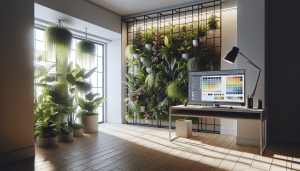
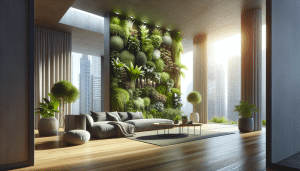
- Biophilic Design: This design philosophy emphasizes a connection between humans and nature. Biophilic design often involves large windows, plant life, and natural materials like stone, wood, and water features. This trend brings the outdoors inside and creates a naturally bright and calming atmosphere.
- Smart Glass Technology: One of the latest innovations in maximizing natural light is the use of smart glass. This technology allows windows to adjust their opacity, giving you the ability to control how much light enters a room. With smart glass, you can maintain privacy without sacrificing natural light.
- Minimalist Design: Minimalism, which focuses on simplicity and decluttering, is a design trend that enhances natural light. By keeping rooms open and airy with few distractions, natural light can become the focal point of the space.
Final Thoughts
Maximizing natural light in your home doesn’t require expensive renovations or complex design strategies. Simple changes like choosing light-colored walls, using mirrors, or installing sheer curtains can make a significant difference in how much light enters your space. As natural light continues to play a key role in modern interior design, incorporating these hacks will not only enhance the beauty of your home but will also improve your health and energy efficiency.
By embracing these design tips and trends, you can make your home feel brighter, more spacious, and more connected to nature. Start making small adjustments today to enjoy the many benefits of natural light in your living space.
References
- Alvarado, R. (2021). Maximizing natural light in home design: How sunlight impacts your well-being and energy use. Home Design Journal. Available at: https://www.homedesignjournal.com (Accessed: 17 September 2025)
- Smith, L., & Brown, K. (2022). The benefits of natural light in interior design: A comprehensive guide to health and energy efficiency. Green Living Spaces. Available at: https://www.greenlivingspaces.com (Accessed: 17 September 2025)
- Thompson, A. (2023). Modern interior design trends: Leveraging natural light and biophilic design. Interior Design Trends. Available at: https://www.interiordesigntrends.com (Accessed: 17 September 2025)

 Mental Health Strategies for Students Facing Academic Pressure