Surprising Ways You Can Boost Skin Radiance
Sofia Marquez October 18, 2025
Unlock several practical strategies to enhance your skin’s natural glow. This article explores the science behind radiant skin, daily routines, nutrition, lifestyle habits, dermatologist-approved treatments, and timeless beauty techniques for effective and lasting results.
Understanding Skin Radiance and Its Importance
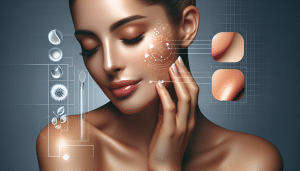
Skin radiance is more than just a fleeting beauty trend. It reflects a person’s overall wellness, health, and habits, acting as a mirror for hydration, stress levels, diet, and lifestyle choices. Many seek glowing skin because it can signal vitality and self-care. Dermatology experts highlight that radiance comes from both internal and external influences—hydration, sleep, and gentle skincare all play crucial roles (Source: American Academy of Dermatology). Prioritizing skin radiance is not merely for aesthetics; it can also help in early identification of underlying health issues, such as dehydration or nutritional deficiencies, making it an essential part of holistic wellness.
The skin’s natural luminosity is affected by multiple factors, including genetics, environment, and even hormones. Everyday stress, outdoor exposure, or dietary imbalances can impact that glow we all desire. Understanding these influences helps individuals make informed choices, such as selecting suitable hydration methods, using sunscreen daily, and opting for nutrient-rich diets. People who consistently appear to have radiant skin often follow routines that embrace gentle cleansing, adequate moisture, and awareness of environmental impacts on their epidermis.
Moreover, radiant skin often serves as an outward sign of resilience. It’s about how well the skin retains moisture, sheds old cells, and resists detrimental effects from pollution or UV rays. Experts point out that consistently glowing skin relies on both protective external steps and internal balance. Monitoring changes in skin luminosity can sometimes reveal shifts in health, prompting timely action and better preventive self-care. This dual focus—on inner health and outer protection—has led to an increased interest in comprehensive strategies to boost radiance safely and effectively.
Daily Habits That Enhance Natural Glow
Small actions foster noticeable changes. Consistent daily hydration is among the most crucial habits for improved skin radiance. Water supports cellular regeneration and helps flush toxins. Experts recommend consuming adequate fluids and incorporating antioxidant-rich foods, such as berries and leafy greens, for synergistic effects (Source: Harvard T.H. Chan School of Public Health). Establishing gentle cleansing and moisturizing routines targets dirt, oil, and surface impurities—these are everyday steps that promote clarity and a healthy complexion.
Good sleep is another habit vital for radiant skin. During sleep, the body undertakes essential cellular repairs, collagen synthesis, and moisture restoration. Missing out on rest can leave skin looking dull and tired, while adequate sleep boosts natural skin tone and elasticity. Incorporating calming rituals before bedtime, such as meditation or limiting screen exposure, can indirectly benefit skin appearance by minimizing stress and supporting circadian rhythms.
Routine exfoliation is an often-overlooked habit that supports skin’s luminous look. By gently removing dead skin cells once or twice a week (depending on skin sensitivity), you help clear the path for fresher, younger-looking skin to shine through. Over-exfoliation, however, can disrupt the barrier and cause irritation—so moderation matters. Using sunscreen daily, regardless of season, also preserves glow and prevents damage from ultraviolet rays. These small daily actions, when combined, greatly enhance the body’s natural radiance mechanisms.
The Role of Nutrition in Glowing Skin
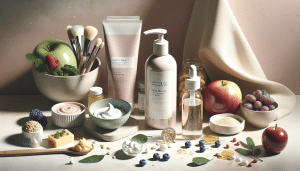
What you eat significantly influences your skin’s luminosity. Antioxidants, healthy fats, and vitamins are powerful allies for enhancing the skin’s glow. Consuming foods rich in vitamins C and E—such as citrus, nuts, and seeds—supports the body’s defense against free radical damage. Omega-3 fatty acids from sources like salmon and chia seeds help balance inflammation, which plays a pivotal role in radiant skin (Source: National Institutes of Health). A nutrient-dense diet builds foundational health and enables skin to repair, hydrate, and rejuvenate efficiently.
Scientific research highlights the connection between sugar intake and skin appearance. High-glycemic foods and excess sugar may trigger processes leading to premature aging and dullness. Diets emphasizing whole grains, fruits, vegetables, and lean protein offer a gentler impact on blood sugar, helping reduce inflammation and supporting long-term radiance. Eating a colorful array of produce ensures a wide spectrum of phytonutrients which are linked to better skin resilience and vitality.
Proper hydration, not just through drinking water but also from water-rich foods such as cucumber and watermelon, assists in keeping the skin plump and luminous. Experts recommend pairing nutrition strategies with mindful eating—enjoying meals slowly and attentively to support digestive health. Additional nutritional approaches, like including probiotics for gut balance, may further support a glowing complexion by reducing internal inflammation and promoting better nutrient absorption (Source: Cleveland Clinic).
Daily Skincare Routines for Lasting Radiance
Establishing a consistent skincare regimen helps preserve and enhance glow. At its core, an effective routine combines gentle cleansing, hydrating serums or moisturizers, and broad-spectrum sunscreen. Dermatology organizations recommend cleansing with lukewarm water and non-stripping cleansers to maintain the skin’s barrier (Source: American Academy of Dermatology). Hydrating serums containing ingredients like hyaluronic acid draw moisture into the skin, promoting plumpness and sheen without heaviness.
Targeted treatments, such as vitamin C serums or niacinamide-based creams, can brighten skin over time. These ingredients help address environmental stress and support collagen production for a visibly glowing complexion. For those with sensitive skin, fragrance-free and non-comedogenic products can minimize irritation and provide everyday comfort. Masks with natural clays or hydrating botanicals act as occasional boosters and are an enjoyable addition to weekly routines.
Layering products properly improves their effectiveness. Start with lighter, water-based serums before thicker creams, and always finish with sunscreen during the day. At night, opt for regenerating ingredients like peptides or retinoids, which work while you rest. Consistency—not complexity—is key; investing a few minutes every day in mindful care can create long-lasting improvement in radiance, resilience, and self-confidence.
Lifestyle Habits That Impact Complexion
Beyond products and nutrition, lifestyle habits shape the look of your skin. Chronic stress has been shown to increase cortisol levels, which can deplete moisture and trigger sensitivity or inflammation. Incorporating regular movement—such as walking, yoga, or simple stretches—boosts circulation and oxygen delivery to skin cells, enhancing their healthy glow (Source: Psychology Today). Mindful movement is accessible and can fit any routine.
Avoiding smoking and limiting alcohol are critical choices for long-term radiance. Smoking decreases oxygen supply to the skin, leading to dullness, uneven tone, and premature aging. Meanwhile, excess alcohol can dehydrate, making the complexion appear tired or blotchy. Opting for restorative habits, such as spending time outdoors, meditating, and sleeping in natural darkness, also support the body’s biological rhythms which translate to improved glow.
Developing positive stress-management strategies—like journaling or breathwork—can reduce the cumulative effects of daily pressure. Other beneficial habits include regular handwashing (to reduce contamination), frequent pillowcase changes, and limiting exposure to airborne pollutants. By creating a holistic routine that merges skin care with mindful living, achieving a naturally radiant complexion becomes an enjoyable, sustainable journey rather than a quick fix.
Professional Treatments and Their Place in Skin Radiance
While lifestyle and daily care are foundational, professional treatments offer additional support when needed. Dermatologists may recommend procedures like chemical peels, microdermabrasion, or light-based therapies for stubborn concerns or to accelerate cell renewal. These treatments, when performed by trained professionals, can lift away dull, aged surface cells, revealing fresher, more radiant layers (Source: Mayo Clinic). It’s important to consult with a trusted professional for individualized care plans instead of seeking trendy treatments without guidance.
Botanical facials, hydrafacials, and LED light therapies are gaining popularity for their ability to support skin’s moisture and smoothness without downtime. Many of these approaches combine modern technology with classic relaxation techniques, blending science and tradition for effective results. Such treatments can complement a solid at-home skincare routine, but they are not a substitute for healthy daily practices.
Investment in professional care should be backed by realistic expectations. Results typically depend on original skin health, and even the best treatments require ongoing home care and lifestyle support for lasting radiance. Professional intervention can be powerful for confidence and self-care, but regular evaluations and personalized advice are crucial for safe, satisfying outcomes.
References
1. American Academy of Dermatology. (n.d.). How to get healthy looking skin. Retrieved from https://www.aad.org/public/everyday-care/skin-care-basics/care/healthy-glowing-skin
2. Harvard T.H. Chan School of Public Health. (n.d.). Antioxidants: Beyond the hype. Retrieved from https://www.hsph.harvard.edu/nutritionsource/antioxidants/
3. National Institutes of Health. (2013). Nutrition and skin: Lessons for anti-aging, beauty and health. Retrieved from https://www.ncbi.nlm.nih.gov/pmc/articles/PMC3583891/
4. Cleveland Clinic. (n.d.). Gut health. Retrieved from https://www.clevelandclinic.org/health/articles/10779-gut-health
5. Mayo Clinic. (n.d.). Chemical peels: Procedure and risks. Retrieved from https://www.mayoclinic.org/tests-procedures/chemical-peel/about/pac-20393473
6. National Library of Medicine. (2018). Herbal cosmetics and their impact on the skin. Retrieved from https://www.ncbi.nlm.nih.gov/pmc/articles/PMC5796020/

 Can Intermittent Fasting Benefit Your Daily Wellness