Secrets You Never Knew About Smart Home Landscaping
Henry Caldwell October 13, 2025
Unlock the untapped potential of your yard with smart home landscaping. Explore eco-friendly designs, outdoor lighting strategies, and water management tips that can transform your outdoor space into an efficient and inviting sanctuary. Discover what influences modern curb appeal and why smart landscaping choices matter more than ever.
The Rise of Smart Home Landscaping
Smart home landscaping is quickly becoming a sought-after upgrade for homeowners looking to maximize outdoor living. Blending elements like automated irrigation, connected outdoor lighting, and app-based controls, these features introduce efficiency into traditional yard designs. What’s striking is how they curb resource waste while making exterior spaces visually appealing. Approaching landscaping with smart technology isn’t just about gadgets; it’s about sustainable choices that are easy to manage and offer long-term benefits for energy and curb appeal (Source: https://www.epa.gov/watersense/landscaping-tips).
The integration of technology into landscaping doesn’t need to be overwhelming. Even simple steps, like installing weather-sensing irrigation controllers or scheduling lighting, can bring considerable savings and convenience. Many homeowners express surprise at how straightforward these upgrades can be. With the right approach, anyone can create a beautiful, low-maintenance landscape that supports both comfort and efficient energy use throughout the year.
Changing weather patterns and climate considerations are pushing more people to rethink their outdoor habits. Water conservation and soil health have never felt more important. Smart landscaping empowers homeowners to make responsible choices, such as utilizing native plants, reducing turf areas, and selecting drought-resistant shrubs. Ultimately, modern landscaping is about making small adjustments that work synergistically, resulting in functional, eco-friendly yards and gardens.
Eco-Friendly Designs That Make a Difference
Eco-friendly landscape design goes beyond aesthetics. Choosing native plants and minimizing chemical usage can support local pollinators and improve soil quality. Incorporating rain gardens, mulched beds, and permeable pavers helps manage stormwater, benefiting both your yard and the wider environment (Source: https://www.fs.usda.gov/naspf/workingwithus/native-plants-and-seeds). Those who favor sustainable landscaping often notice long-term savings—in both time and money—by requiring fewer inputs and less frequent maintenance.
Some homeowners discover that installing compost bins and using organic mulch creates vibrant, healthier plants. Mulch conserves soil moisture and regulates temperature, addressing two common gardening concerns. Meanwhile, eco-conscious choices like solar pathway lights or energy-efficient water features accentuate the natural beauty of a yard while reducing the property’s carbon footprint. These ideas can be combined, inviting birds and butterflies, and fostering biodiversity right at your doorstep.
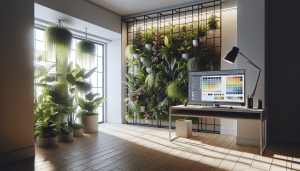
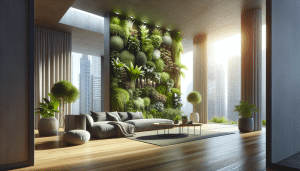
Not every green solution needs to be large-scale. For smaller yards, vertical gardens and container setups can make the most of limited space, offering edible garden beds or living walls. Such enhancements add value to outdoor living, especially for those seeking a sanctuary without large expanses of turf. Today’s eco-friendly trends are about thoughtful curation—choosing designs that are as practical as they are attractive.
Outdoor Lighting: More Than Just Curb Appeal
Outdoor lighting is about more than illuminating a walkway. It’s a creative tool that increases a property’s safety and highlights landscape features under the night sky. Smart lighting systems let users adjust brightness and scheduling through their smartphones, making walkways safer and backyards more inviting during evening hours (Source: https://www.energy.gov/energysaver/outdoor-lighting). Energy-efficient LEDs and solar fixtures also reduce monthly utility bills, making them a savvy add-on for budget-conscious households.
Strategic lighting extends the functional use of an outdoor space. Spotlights can highlight trees or architectural features, while subtle path lights guide visitors. Entertaining outdoors feels easier when guests can move safely across well-lit patios or gardens. The added benefit? Smart lighting can automatically adjust depending on daylight, ensuring energy is never wasted. For those interested in upping their home security, motion-sensing lights bring practical advantages as well.
Today’s lighting design often pairs with landscape planning from the outset, allowing for harmony between hardscape, greenery, and illumination. Many homeowners choose lighting styles that complement the architecture, creating a seamless transition from indoors to outdoors. Whether aiming for cozy ambiance or improved visibility, advances in lighting control put personalization at the center of modern landscape upgrades.
Water Management and Irrigation Innovations
Water is a precious resource. Modern irrigation systems have evolved to make every drop count, which is critical as droughts and water restrictions become more common. Smart controllers use weather data and soil sensors to deliver precise hydration, ensuring that plants thrive without waste. Drip irrigation and rainwater harvesting both serve as practical solutions for sustainable yards (Source: https://www.rainbird.com/landscape-irrigation/landscape-design).
Installing a rain barrel or exploring permeable landscape options minimizes runoff and promotes deep root growth. These systems are often simple to maintain and can be adapted for gardens of all sizes. Water-efficient gardening takes planning, but the rewards—resilient plants and lower bills—mean it’s an investment worth considering. Over time, efficient water management keeps landscapes green even in dry conditions, creating spaces that endure seasonal changes.
Landscaping professionals recommend grouping plants with similar water needs together. This practice, called hydrozoning, conserves water and makes irrigation scheduling easy. Homeowners may notice healthier plants and reduced maintenance effort with this approach. By integrating weather-based technology, yards can stay lush without the stress of over- or under-watering, aligning with broader sustainable living goals.
Creating Outdoor Living Spaces
Designing an outdoor living space often starts with understanding the environment. Homeowners increasingly use patios, decks, and pergolas for entertaining, work, and relaxation. Smart tech enhances these spaces—think app-controlled outdoor speakers, automated lighting scenes, and modular furniture for year-round flexibility (Source: https://www.nalms.org/build-your-outdoor-living-space). Layered plantings and privacy screens also add functionality and beauty, reflecting personal style and comfort.
Construction planning matters. Choose durable, weather-resistant materials, such as composite decking or powder-coated railings, to minimize upkeep. Many appreciate that modern outdoor textiles resist fading and are easy to clean, making the space even more hospitable. A successful outdoor setup is adaptable to changing seasons and lifestyles, making it easier to host, relax, or simply enjoy the scenery.
Beyond furniture and fixtures, soundscapes and plant choices elevate the ambiance. Installing water features or pollinator-friendly gardens can help reduce noise and attract local wildlife. Comfort, utility, and environmental compatibility together guide the transition from basic yard to versatile retreat, while careful planning supports longevity for every part of the outdoor living area.
The Benefits and Challenges of Smart Landscaping
Smart landscaping benefits go beyond appearance; they support resource conservation, safer navigation, and easier property management. Automated irrigation, efficient lighting, and native planting reduce maintenance, freeing homeowners to enjoy their outdoor space. Many find that these upgrades also boost property value and year-round usability (Source: https://www.hortmag.com/smart-landscaping-benefits).
Despite clear advantages, it’s important to consider potential challenges, such as initial setup costs or compatibility between devices from various brands. Some learning may be required. Luckily, many solutions offer intuitive controls and robust support, and the return on investment—both in quality of life and savings—often outweighs early complexities. Staying updated with new technology ensures that outdoor spaces remain future-ready and in line with environmental goals.
Seeking expert advice or browsing reputable gardening resources can make implementation easier. Local extension offices or certified landscape professionals offer tips tailored to specific climates and soil types. As trends evolve, it becomes clear that smart landscaping is less about perfection and more about sustainable, enjoyable spaces achievable for anyone willing to explore their options.
References
1. U.S. Environmental Protection Agency. (n.d.). Landscaping tips. Retrieved from https://www.epa.gov/watersense/landscaping-tips
2. U.S. Forest Service. (n.d.). Native plants and seeds. Retrieved from https://www.fs.usda.gov/naspf/workingwithus/native-plants-and-seeds
3. U.S. Department of Energy. (n.d.). Outdoor lighting. Retrieved from https://www.energy.gov/energysaver/outdoor-lighting
4. Rain Bird Corporation. (n.d.). Landscape irrigation design. Retrieved from https://www.rainbird.com/landscape-irrigation/landscape-design
5. North American Lake Management Society. (n.d.). Build your outdoor living space. Retrieved from https://www.nalms.org/build-your-outdoor-living-space
6. Horticulture Magazine. (n.d.). Smart landscaping benefits. Retrieved from https://www.hortmag.com/smart-landscaping-benefits

 Hidden European Cities You’ll Want to Explore