Interior Design Solutions That Encourage Productivity
Henry Caldwell October 6, 2025
The way we design our living and working spaces has a profound impact on how we think, feel, and perform. In 2025, with hybrid work and flexible lifestyles becoming the norm, people are paying closer attention to interior design solutions that encourage productivity. The focus is shifting from purely aesthetic spaces to environments that enhance focus, creativity, and well-being.
Interior design is no longer just about beauty—it’s about function. A thoughtfully designed space can reduce stress, sharpen concentration, and help individuals achieve more in less time. From ergonomic furniture to biophilic elements, the trends of 2025 highlight how design directly influences productivity.
Why Productivity-Focused Design Matters
According to a 2024 report by the International WELL Building Institute, people spend nearly 90% of their time indoors. Poorly designed interiors often lead to distractions, fatigue, and decreased motivation. On the other hand, environments designed with productivity in mind can significantly improve efficiency, mental clarity, and job satisfaction.
This is particularly relevant for remote workers and students who require spaces that support focus while maintaining comfort.
Core Interior Design Solutions That Encourage Productivity
1. Ergonomic Furniture
Ergonomics is at the heart of productivity-focused design. Adjustable chairs, sit-stand desks, and monitor arms support posture and reduce strain. By preventing discomfort, ergonomic solutions allow individuals to focus on tasks for longer periods.
2. Natural Light Optimization
Lighting influences mood and alertness. Maximizing natural light through large windows, skylights, or reflective surfaces helps regulate circadian rhythms and reduces eye strain. When natural light isn’t possible, full-spectrum LED lighting replicates daylight to maintain energy levels.
3. Minimalist Layouts
Cluttered environments overwhelm the brain, leading to reduced focus. Minimalist design—with clean lines, functional furniture, and intentional decor—creates mental clarity. A “less is more” approach fosters calm and concentration.
4. Color Psychology
Colors affect productivity in different ways:
- Blue tones promote focus and calm.
- Green encourages creativity and reduces stress.
- Yellow stimulates energy and optimism.
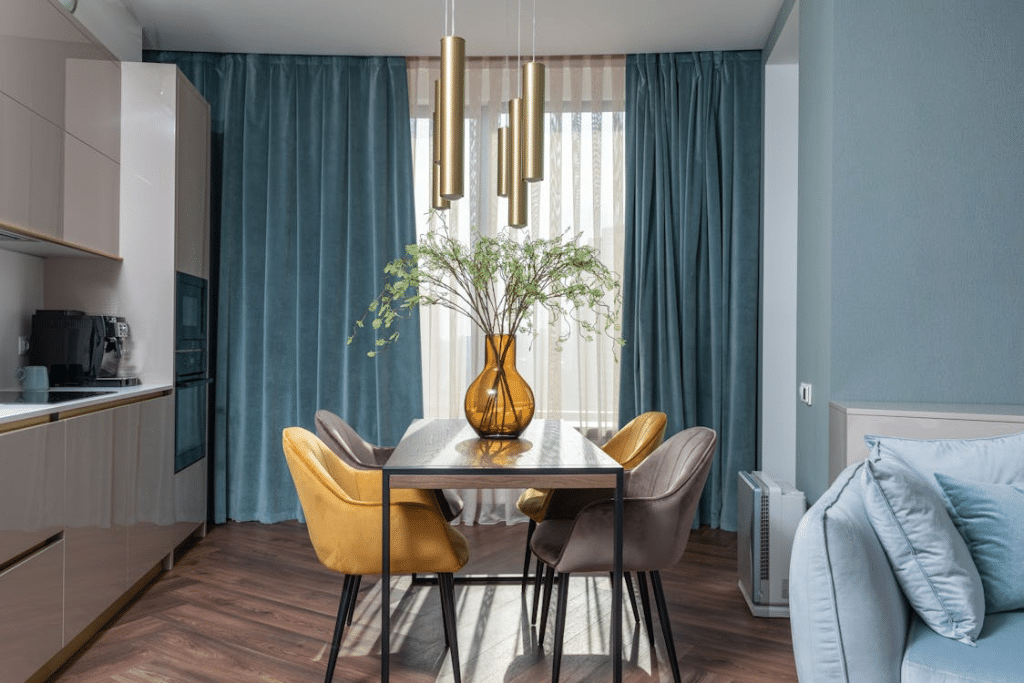
Designers now integrate colors strategically in work areas to influence mood and performance.
5. Biophilic Design
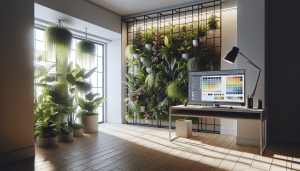
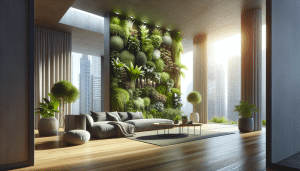
Incorporating plants, natural textures, and organic materials improves both air quality and mental well-being. Studies from the University of Exeter (2023) found that employees in biophilic environments reported a 15% increase in productivity.
6. Zoning Spaces
Creating distinct zones for different activities—such as focused work, meetings, and relaxation—helps maintain structure in hybrid living spaces. Open-plan layouts are often balanced with partitions or rugs to define functional areas.
7. Acoustics and Noise Control
Noise is one of the biggest productivity killers. Soundproof panels, carpets, and acoustic furniture minimize distractions. White noise machines or ambient sound apps also support focus in busy households.
8. Smart Technology Integration
Smart lighting, climate control, and task reminders streamline environments and reduce decision fatigue. Homes with integrated AI systems personalize settings for optimal productivity throughout the day.
Emerging Trends in Productivity-Driven Interiors
Hybrid Home Offices
Designers are creating multipurpose workspaces that double as stylish living areas. Hidden desks, foldable furniture, and modular storage systems allow spaces to adapt easily between work and leisure.
Sustainable Design Choices
Eco-conscious design aligns with wellness and productivity. Recycled materials, non-toxic paints, and energy-efficient systems create healthier, more sustainable spaces.
Sensory Design
Designers are experimenting with scents, textures, and even soundscapes to encourage focus and reduce stress. Aromatherapy diffusers and tactile materials like wood or linen enhance sensory balance.
Personalized Micro-Spaces
In shared homes or co-living environments, productivity zones are created using compact solutions like soundproof pods or small study nooks.
Practical Tips for Creating a Productive Interior
- Declutter daily – A clear desk supports a clear mind.
- Position desks near windows – Natural light improves mood and efficiency.
- Add greenery – Low-maintenance plants like snake plants or pothos boost air quality.
- Invest in comfort – Ergonomic seating and adjustable desks prevent fatigue.
- Balance aesthetics with function – Choose decor that inspires without distracting.
Wellness Benefits of Productivity-Focused Interiors
Design that encourages productivity also supports overall well-being:
- Reduced stress from better lighting and airflow.
- Improved posture and physical health from ergonomic solutions.
- Stronger focus and creativity from intentional layouts.
- Better work-life balance when zones separate work and relaxation.
Long-Term Impact of Productive Interior Design
Adopting interior design solutions that encourage productivity ensures that homes and offices become supportive environments rather than sources of distraction. These designs not only improve efficiency but also increase satisfaction, creativity, and long-term health.
As remote and hybrid lifestyles continue, productivity-focused interiors will be essential in helping people thrive.
Conclusion
In 2025, interior design is about more than creating beautiful spaces—it is about supporting performance and well-being. Ergonomic furniture, natural light, biophilic elements, and minimalist layouts demonstrate how interior design solutions that encourage productivity transform spaces into tools for success.
By blending aesthetics with function, people can design environments that inspire focus, reduce stress, and sustain productivity in daily life.
References
- International WELL Building Institute. (2024). Impact of interior design on productivity. https://www.wellcertified.com
- University of Exeter. (2023). Biophilic design and workplace performance. https://www.exeter.ac.uk
- Forbes. (2024). Designing home offices for hybrid work. https://www.forbes.com
- Architectural Digest. (2024). Interior design solutions for modern productivity. https://www.architecturaldigest.com
- Houzz. (2024). Trends in functional and minimalist design. https://www.houzz.com

 Travel Destinations That Inspire Creativity