Fitness Routines That Fit Into Busy Lifestyles
Sofia Marquez October 6, 2025
In 2025, more people than ever are searching for ways to stay active while managing demanding schedules. Between work, family, and personal commitments, finding time for long workouts can feel nearly impossible. This reality has led to the rise of fitness routines that fit into busy lifestyles, offering efficient, adaptable solutions that help people stay healthy without requiring hours at the gym.
Instead of focusing on long, traditional sessions, modern fitness is about consistency, creativity, and flexibility. From micro workouts to desk-friendly stretches, individuals are discovering that even short bursts of movement can make a significant impact on strength, energy, and overall well-being.
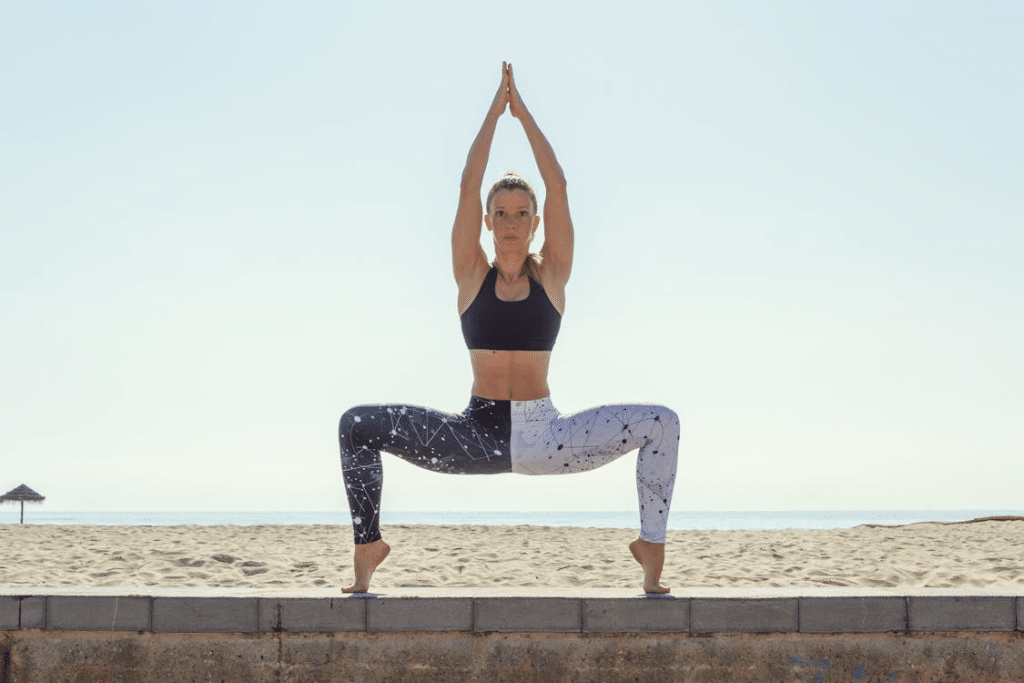
Why Fitness Must Adapt to Busy Lives
According to the World Health Organization (2024), nearly one in three adults fails to meet recommended activity levels. The main reason? Lack of time. With modern schedules filled by remote work, commuting, family care, and digital distractions, traditional 60-minute workouts are often unrealistic.
The new wave of fitness solutions recognizes these challenges and emphasizes accessibility. The focus is not on “all or nothing” workouts but on building sustainable routines that align with a fast-paced lifestyle.
Core Principles of Fitness for Busy Lifestyles
1. Consistency Over Length
Research from the American College of Sports Medicine (2023) shows that short, consistent workouts throughout the week are as effective for health as longer sessions. Ten minutes of high-intensity activity can yield significant cardiovascular and muscular benefits.
2. Flexibility in Scheduling
Modern fitness routines are designed to fit anywhere: in the office, at home, or during commutes. Being able to adapt exercise to daily life increases the likelihood of long-term commitment.
3. Focus on Functionality
Workouts that combine strength, mobility, and endurance maximize results in minimal time. Functional fitness also helps reduce stress, prevent injury, and support daily tasks.
Examples of Fitness Routines That Fit Busy Schedules
Micro Workouts (5–15 Minutes)
Micro workouts, also known as exercise “snacks,” fit seamlessly into breaks during the day. A sample micro workout could include:
- 20 bodyweight squats
- 10 push-ups against a desk or wall
- 30 seconds of plank hold
- 15 lunges per leg
This routine can be completed in under 10 minutes, making it ideal for work-from-home days or office breaks.
High-Intensity Interval Training (HIIT)
HIIT has become a go-to routine for time-stretched professionals. Alternating short bursts of intense effort with rest periods, HIIT sessions can be completed in 20 minutes yet burn calories and improve cardiovascular health more efficiently than traditional workouts.
Active Commuting
Incorporating fitness into commuting—such as biking, walking part of the route, or taking stairs instead of elevators—ensures movement without requiring extra time.
Desk-Friendly Exercises
Office-friendly stretches and strength moves can help combat sedentary fatigue:
- Seated leg raises for core activation.
- Shoulder rolls and neck stretches for posture.
- Resistance band pulls for upper-body strength.
Weekend “Anchor Workouts”
For those unable to fit in regular weekday sessions, longer weekend workouts (like a 45-minute yoga class or long hike) serve as anchor points that complement shorter weekday activity.
Technology’s Role in Supporting Busy Fitness Routines
Wearable devices, smart apps, and AI-driven platforms make it easier to integrate movement into daily life. Fitness apps now offer:
- Personalized micro workout reminders.
- AI-generated routines based on available time.
- Real-time progress tracking to build accountability.
Platforms like Apple Fitness+, Peloton, and FitOn are increasingly popular for their short, guided sessions that can be done at home with minimal equipment.
Wellness Benefits Beyond Physical Health
Integrating fitness into a busy schedule is not only about staying physically fit—it also enhances mental performance. Regular activity reduces stress, sharpens focus, and improves sleep quality. A 2024 Harvard Medical School study found that adults engaging in just 15 minutes of exercise daily reported 25% lower stress levels and improved concentration at work.
Practical Tips for Staying Consistent
- Schedule Workouts Like Meetings: Even a 10-minute slot in the calendar increases accountability.
- Keep Equipment Handy: Resistance bands, yoga mats, or small weights make it easy to exercise quickly.
- Pair Fitness with Daily Habits: Do stretches while making coffee or squats during TV commercials.
- Start Small: Begin with manageable goals and gradually expand once consistency is established.
- Celebrate Wins: Tracking progress and acknowledging small improvements keeps motivation high.
The Long-Term Value of Busy-Friendly Fitness
Adopting fitness routines that fit into busy lifestyles ensures health benefits without overwhelming schedules:
- Stronger cardiovascular health.
- Improved posture and reduced back pain.
- Boosted energy for daily productivity.
- Lower risk of chronic disease.
Most importantly, these routines help break the cycle of inactivity by proving that time constraints don’t have to mean giving up on fitness.
Conclusion
In 2025, fitness routines that fit into busy lifestyles are redefining how people approach health. Instead of relying on lengthy gym sessions, individuals are embracing micro workouts, HIIT, desk-friendly exercises, and active commuting to stay fit. Supported by technology and guided by consistency, these routines prove that even the busiest schedules can accommodate meaningful exercise.
The message is clear: fitness doesn’t have to be complicated or time-consuming. It simply needs to be consistent, practical, and designed to fit seamlessly into everyday life.
References
- World Health Organization. (2024). Global report on physical activity. https://www.who.int
- American College of Sports Medicine. (2023). Short workouts and health outcomes. https://www.acsm.org
- Harvard Medical School. (2024). Exercise and stress reduction. https://www.health.harvard.edu
- Mayo Clinic. (2024). Benefits of high-intensity interval training. https://www.mayoclinic.org
- Healthline. (2024). Simple exercises for busy people. https://www.healthline.com

 Travel Experiences That Inspire Creativity